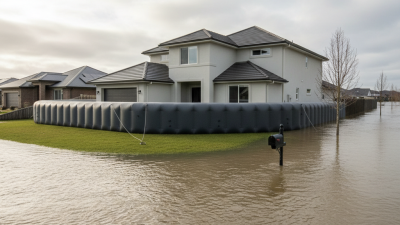
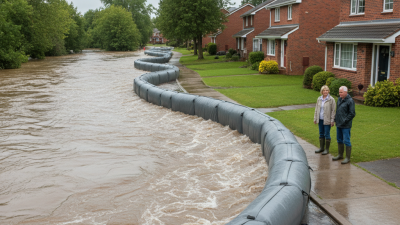
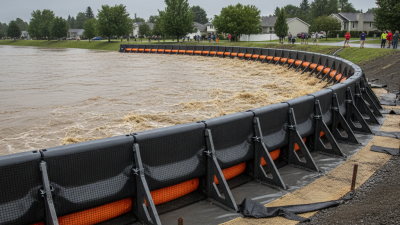
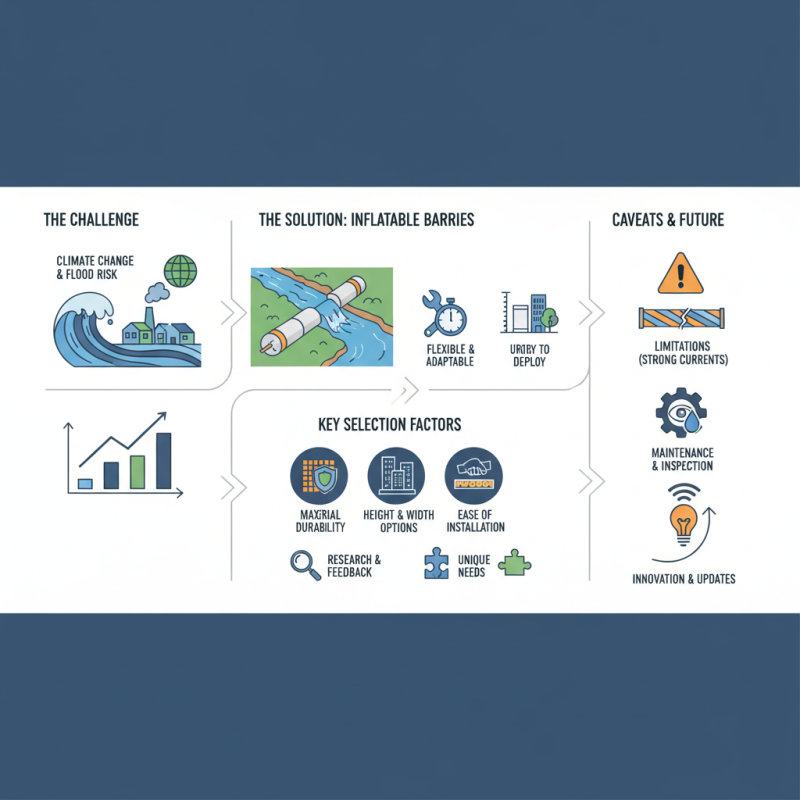
As climate change accelerates, flooding risks are increasing worldwide. An effective solution is the inflatable flood barrier. These barriers provide a flexible defense against water intrusion. They can adapt to various environments and are easy to deploy. Their versatility makes them suitable for both urban and rural settings.
Selecting the right inflatable flood barrier is crucial. Factors include material durability, height and width options, and ease of installation. Each flooding scenario is unique, and barriers must meet specific needs. While many products are available, not all barriers perform equally well. Research and customer feedback are essential before making a purchase.
However, not every inflatable flood barrier is foolproof. Some may not hold up against strong currents or heavy pressure. Regular maintenance and inspection are necessary to ensure reliability. Buyers should remain cautious and well-informed. As the market evolves, it’s vital to stay updated on the latest innovations and user experiences.
Inflatable flood barriers play a crucial role in flood management. These barriers provide a temporary yet effective solution for protecting properties against rising water levels. According to recent studies, they can reduce flood damage by up to 70%, demonstrating their significance during emergencies. In urban areas, where infrastructure is often at risk, their rapid deployment is a game-changer for disaster response.
Applications extend beyond residential settings. Industries such as agriculture and transportation also benefit from these barriers. For instance, farms can safeguard crops from seasonal floods. Additionally, airports can use them to protect critical runways. With climate change leading to unpredictable weather patterns, the rising demand for effective flood protection is clear. The global market for flood barriers was valued at approximately $1.2 billion in 2022 and is expected to grow as infrastructures evolve.
Despite their advantages, challenges remain. Some barriers may require trained personnel for installation. Misjudgments in deployment timing can lead to failures. Furthermore, ongoing maintenance and storage can present logistical hurdles. As the field of flood management develops, acknowledging these imperfections is essential. Continuous research and innovation will help refine these vital tools, enhancing their overall efficacy.
The flood barrier industry is evolving rapidly as climate change intensifies. In 2026, buyers will seek innovative solutions for flood protection. Inflatable flood barriers are gaining attention for their flexibility and ease of use. These barriers can quickly deploy in emergency situations, offering a practical choice for urban planning.
Market trends show an increasing demand for sustainable materials. Manufacturers are exploring eco-friendly options for inflatable barriers. Many consumers are now concerned about environmental impact. This shift creates an opportunity for companies to develop products that are both effective and responsible.
However, the market faces challenges. Certain inflatable barriers may not provide sufficient durability under extreme conditions. Regular assessments of their performance are essential. Transparency in manufacturing processes will become crucial for gaining consumer trust. As the industry unfolds, adaptability and innovation will determine the future of flood protection solutions.
| Barrier Type | Material | Height (ft) | Deployment Time (min) | Durability (years) | Cost (USD) |
|---|---|---|---|---|---|
| Type A | PVC | 4 | 30 | 5 | 150 |
| Type B | Polyethylene | 3 | 20 | 7 | 120 |
| Type C | Nylon | 5 | 25 | 10 | 200 |
| Type D | Polypropylene | 6 | 15 | 8 | 180 |
When selecting inflatable flood barriers, key features play a vital role in effectiveness. Material quality is paramount. Durable, tear-resistant fabrics ensure the barrier withstands harsh conditions. Look for models that can handle UV exposure. This durability enhances longevity, especially in sunny climates.
Next, consider the ease of installation. Some barriers inflate within minutes, saving crucial time during emergencies. A lightweight design enhances portability. Remember, a bulky barrier may not fit snugly in tight spaces. Additionally, pay attention to the water volume capacity. Higher capacities indicate better performance against surging floodwaters.
Finally, appraise the maintenance needs of the barrier. While many require minimal upkeep, regular checks are essential. Look for user-friendly designs that facilitate inspection. Reflect on your location's specific flood risks. Choose a barrier that aligns with those risks. An informed decision ensures reliable protection when the need arises.
Inflatable flood barriers are gaining attention in 2026 as effective solutions for managing water intrusion. A comparative analysis of leading products in the market reveals significant differences in performance and material composition. Recent reports indicate that barriers made from high-strength PVC have enhanced durability and can withstand pressures of up to 1.5 meters of water. This durability is crucial in areas prone to severe flooding.
In examining various options, flexibility in design stands out. Some inflatable barriers can be deployed in less than five minutes, which is critical during emergencies. The ease of transport is also a factor; many weigh under 50 kilograms, allowing for swift deployment in disaster situations. However, not all barriers meet durability standards. Some have failed under extreme conditions, raising concerns about their reliability and long-term effectiveness.
Cost-effectiveness is another element to consider. Reports indicate that investing in high-quality inflatable barriers can significantly reduce the financial impact of flooding on communities. Yet, the initial expense can be daunting for small towns. This placement of budget versus preparedness illustrates a dilemma that many global buyers face. Balancing immediate needs with future risks remains an ongoing challenge in flood management strategies.
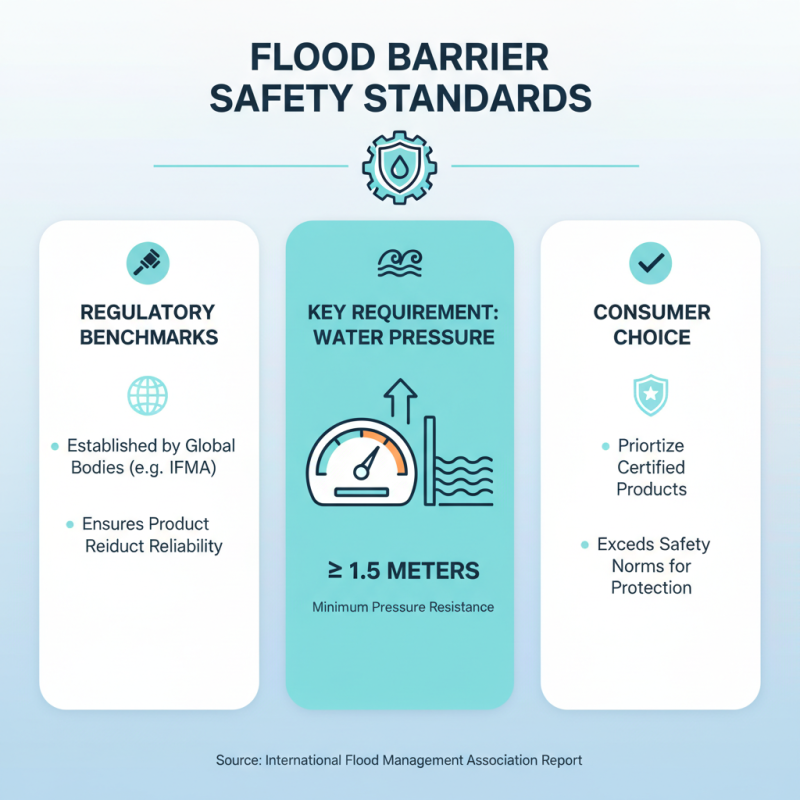
When selecting inflatable flood barriers, understanding safety and efficacy standards is crucial. Regulatory bodies worldwide establish these benchmarks to ensure products can withstand flooding. According to a report by the International Flood Management Association, barriers must endure at least 1.5 meters of water pressure. This requirement highlights the importance of choosing products that meet or exceed safety norms.
Certification also plays a pivotal role in the purchasing process. Barriers that pass rigorous testing are labeled with certifications, indicating reliability. For instance, barriers certified by the American Society for Testing and Materials must undergo extensive evaluation. This ensures they perform well in real-world scenarios. However, consumers often overlook these details, leading to dissatisfaction or even failure during emergencies.
Many standardized tests exist, but not every product may be up to par. In a survey by the Flood Barrier Association, almost 30% of respondents reported that their chosen barriers did not meet expected performance levels. It's a sobering statistic that underscores the need for thorough research. Buyers should review test results before making a final decision, fostering a more informed and safer purchasing experience.
Please enter the details to download, thank you
Get in Touch With Us
Please enter the details to download, thank you