2026 Top JS Twin Shaft Concrete Mixer Price Guide?
The 2026 market for a Js Twin Shaft Concrete Mixer is shaped by capacity, drive design, materials, and regional supply conditions. Buyers may see very different prices for machines that appear similar in online listings. The comparison becomes clearer when specifications are checked line by line.
This guide examines practical pricing factors, including mixing capacity, motor power, shaft configuration, wear-resistant liners, discharge systems, and control options. It also considers freight, installation, taxes, spare parts, and after-sales support. These costs can change the final investment significantly. A low advertised price may exclude essential components. Be careful.
Reliable purchasing decisions require more than a supplier’s brochure. Review factory test records, steel and liner specifications, warranty terms, production history, and service response times. Where possible, request operating videos and inspect weld quality around the mixing chamber. A serious supplier should explain maintenance intervals and expected wear-part replacement. That matters on busy construction sites.
Prices in this guide should be treated as informed market references, not fixed quotations. Currency movements, raw-material costs, shipping routes, and customization can shift figures during 2026. Some comparisons may remain imperfect because suppliers describe options differently. That limitation deserves attention. Still, a structured review can help contractors, ready-mix producers, and equipment distributors compare value rather than focusing only on the lowest initial price. The best choice balances output, durability, energy use, service access, and long-term operating cost.
What Is a Twin Shaft Concrete Mixer?
What Is a Twin Shaft Concrete Mixer?
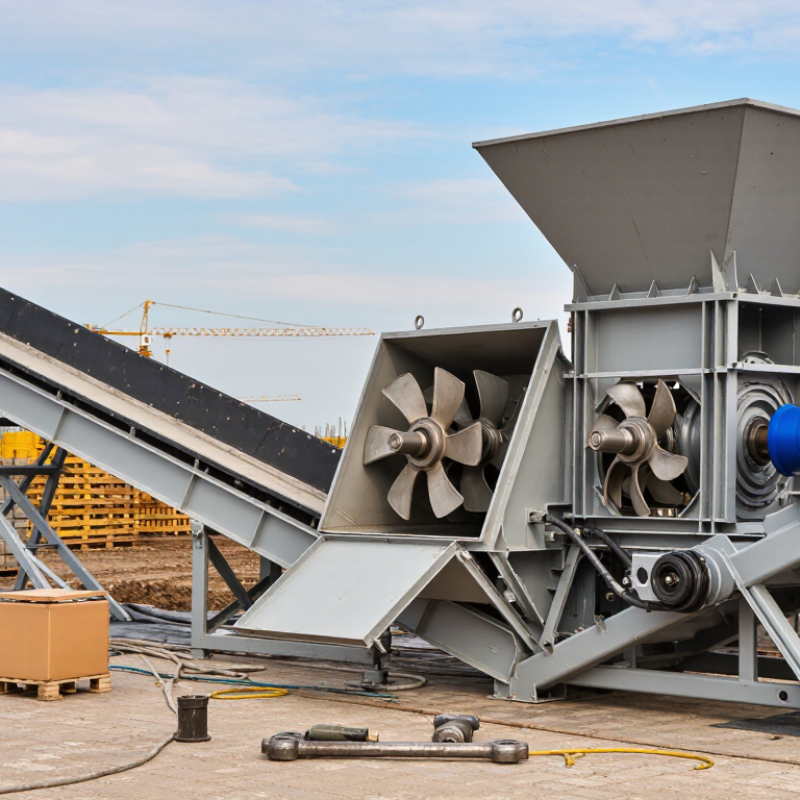
A twin shaft concrete mixer uses two horizontal shafts fitted with overlapping paddles. The shafts rotate in opposite directions, creating strong three-dimensional movement inside the mixing chamber. Cement, aggregates, water, and admixtures blend quickly, even when the mixture contains low moisture. This design suits precast production, ready-mix plants, road projects, and high-strength concrete applications.
The Global Cement and Concrete Association reports that the world uses roughly 14 billion cubic meters of concrete annually. That volume demands consistent mixing, not merely a large motor. In practical operation, twin shafts can produce a more uniform blend within shorter cycles than many single-shaft systems. A typical cycle may take 30 to 60 seconds, depending on recipe, moisture, and loading sequence. Small details matter. Wet aggregate can change the result.
For a 2026 price guide, buyers should compare mixing capacity, discharge design, motor power, wear-plate thickness, automation, and spare-part access. Budgetary prices can range widely, from about 20,000 to over 100,000 US dollars, excluding installation and shipping. The estimate is imperfect because regional steel costs and electrical standards shift quickly. ASTM C94 and ACI 304R emphasize uniformity, batching control, and proper handling. A cheaper mixer may still cost more when paddle replacement, downtime, and cleaning labor are ignored. Inspect the chamber after production; polished wear zones often reveal uneven loading or poor maintenance.
2026 Top JS Twin Shaft Concrete Mixer Price Guide
What Is a Twin Shaft Concrete Mixer?
A twin shaft concrete mixer uses two synchronized horizontal shafts with mixing paddles to combine cement, aggregates, water, and additives rapidly and uniformly. The following chart presents indicative 2026 equipment price ranges by rated batch capacity. Prices are shown in USD and may vary according to configuration, automation, wear-resistant liners, delivery, taxes, and installation.
Typical buying pattern: Larger batch capacities generally require higher investment, but they can improve production efficiency for ready-mix concrete, precast concrete, and large infrastructure projects.
How Does a Twin Shaft Mixer Work?
A twin shaft concrete mixer uses two horizontal shafts inside a reinforced mixing chamber. Each shaft carries heavy-duty paddles that rotate in opposite directions. The paddles lift aggregates, cement, water, and admixtures from the bottom, then fold them across the chamber. This creates strong three-dimensional movement instead of simple turning. That is the core action.
During a typical cycle, the material travels through several zones repeatedly. Paddles break apart cement pockets while the counter-rotating shafts create intense shear. Moisture spreads across coarse stone and sand, helping produce a more uniform mixture. The discharge gate opens beneath the chamber when the batch reaches the required consistency. A practical check is simple: inspect the released concrete for dry streaks, clumps, or uneven color. A dry pocket can remain, even when the mixing time seems correct.
In 2026 twin shaft mixer prices depend on capacity, motor power, liner material, paddle design, automation, and delivery conditions. A larger unit is not automatically the better choice. It may require stronger foundations, more electrical capacity, and higher maintenance costs. From field experience, worn paddles often reduce mixing quality before operators notice a major production loss. Moisture changes also affect cycle settings, so operators should adjust water carefully rather than trust a fixed timer. The price guide should include spare parts, installation, testing, and routine inspection, not only the equipment quotation.
How to Compare Mixer Models, Capacities, and Features?
Comparing twin shaft concrete mixers requires more than checking the advertised price. According to Grand View Research’s 2024 concrete mixer market analysis, demand is rising with infrastructure and commercial construction activity. That growth has widened the range of mixer sizes, drive systems, and control packages. A low quote may hide smaller motors, thinner wear plates, or limited after-sales support.
Start with usable capacity, not the drum’s empty volume.
A 1.5 m³ mixer may suit a small batching line, while a 3 m³ model needs stronger foundations, larger discharge gates, and higher electrical capacity. Check mixing time, hourly output, shaft speed, and aggregate size together. ASTM C94 highlights consistent batching and delivery requirements, but the mixer still depends on accurate weighing and moisture correction. Numbers can mislead.
Inspect the wear parts closely. Replaceable liners, reinforced paddles, sealed bearings, and accessible inspection doors affect lifetime cost. The International Energy Agency’s construction-sector studies also emphasize equipment efficiency, making motor power and idle consumption worth comparing.
Ask for motor ratings, warranty limits, spare-part lead times, and test-batch records. Request the same quotation format from every supplier. Otherwise, shipping, installation, and control upgrades can distort the comparison.
My own caution is simple: the cheapest mixer often looks efficient on paper, yet maintenance delays may cost more than the original saving. Price matters. It is not the whole calculation.
What Should Buyers Check Before Purchasing a Twin Shaft Mixer?
2026 Top JS Twin Shaft Concrete Mixer Price Guide?
Before accepting a 2026 quote, buyers should match mixer volume to actual batch size, not advertised capacity. Check usable output, charging height, discharge opening, and cycle time on your site. A 3 m³ mixer may deliver less when aggregates are wet, oversized, or poorly graded. Ask for a measured test batch.
Inspect shaft alignment, paddle tip clearance, wear liners, seals, and gearbox torque. Verify steel thickness, motor power, overload protection, and bearing access. Look for wide inspection doors and simple cleaning points. Small details matter. Confirm that guards, interlocks, emergency stops, and dust controls suit your operating environment.
The purchase price should include freight, installation, control equipment, spare parts, and maintenance access. Ask for clear warranty terms and realistic service response times. Request documented references from similar projects, then contact the operators directly. Do not trust glossy photos. Visit an operating site if possible. My own checklist is not perfect; I still recheck liner wear and discharge performance after a trial run. One uncomfortable lesson remains: the cheapest quote can become expensive when a gearbox fails during peak production. Also compare energy use, replacement paddle costs, cleaning time, and the supplier’s ability to provide technical drawings.
