Best Domestic Flood Barriers for Effective Home Protection?

In recent years, the rise of extreme weather has heightened concerns about flooding in residential areas. Homeowners are increasingly seeking effective solutions. One essential aspect is the use of domestic flood barriers. According to Dr. Emily Roberts, a leading expert in flood prevention, "Domestic flood barriers can significantly reduce the risk of water damage in vulnerable homes."

Choosing the right flood barriers is crucial. Various types are available, ranging from temporary to permanent solutions. Their effectiveness can vary based on installation and the severity of potential floods. A poorly installed barrier may offer little protection.

Many homeowners underestimate the importance of these barriers until it’s too late. Investing in quality solutions should be a priority. A few thoughtful preparations can safeguard one's home. Choosing wisely can mean the difference between safety and disaster.
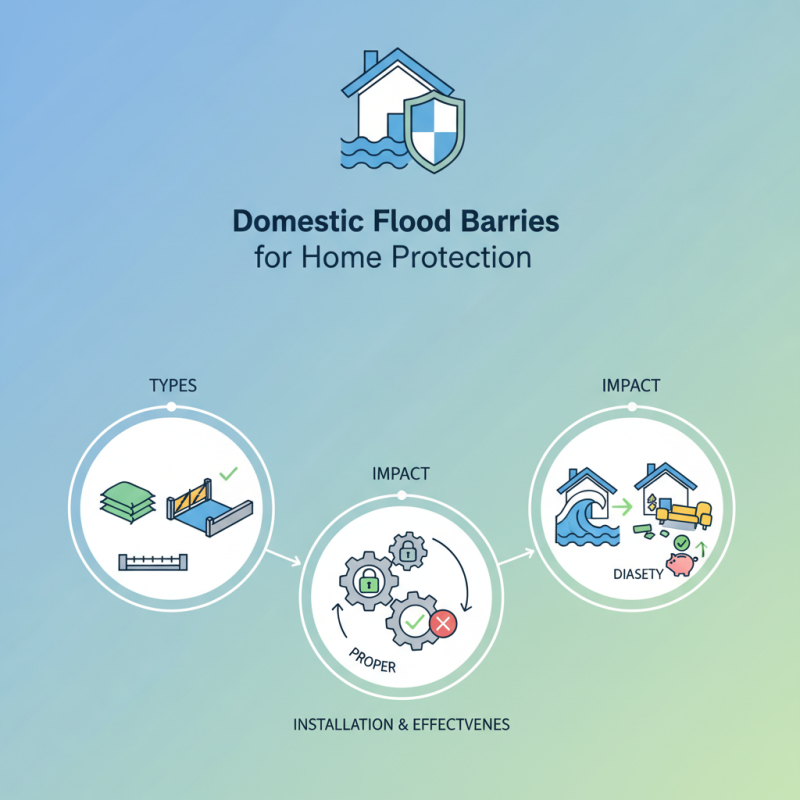
Best Domestic Flood Barriers for Effective Home Protection?

Overview of Domestic Flood Barriers and Their Importance

Flooding can be a devastating experience. The destruction it causes to homes and property is significant. Flood barriers offer essential protection to prevent damage. Understanding their importance is key for any homeowner.

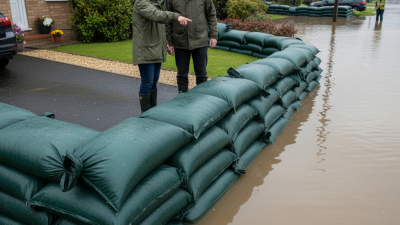
Domestic flood barriers come in various types and designs. Some are temporary, while others are permanent solutions. They act as shields, redirecting water away from your home. This can significantly reduce the risk of flooding. Many people may overlook them until it’s too late. The reality is, investing in these barriers can save money and heartache in the long run.

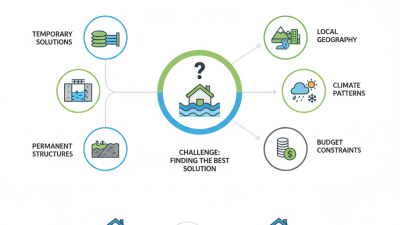
Choosing the right flood barrier requires careful thought. Home conditions differ greatly. A barrier suitable for one location may not work at another. Homeowners must consider factors like terrain and historical flood levels. The effectiveness of these barriers varies. They need regular maintenance to ensure reliability. Without proper monitoring, they may fail when most needed.
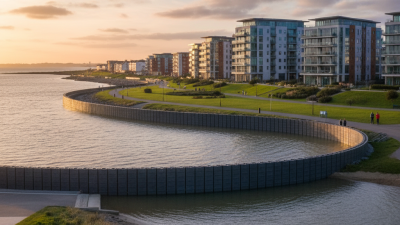
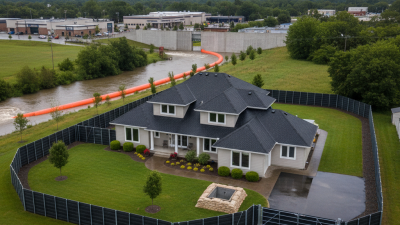
Types of Domestic Flood Barriers Available on the Market

Best Domestic Flood Barriers for Effective Home Protection?

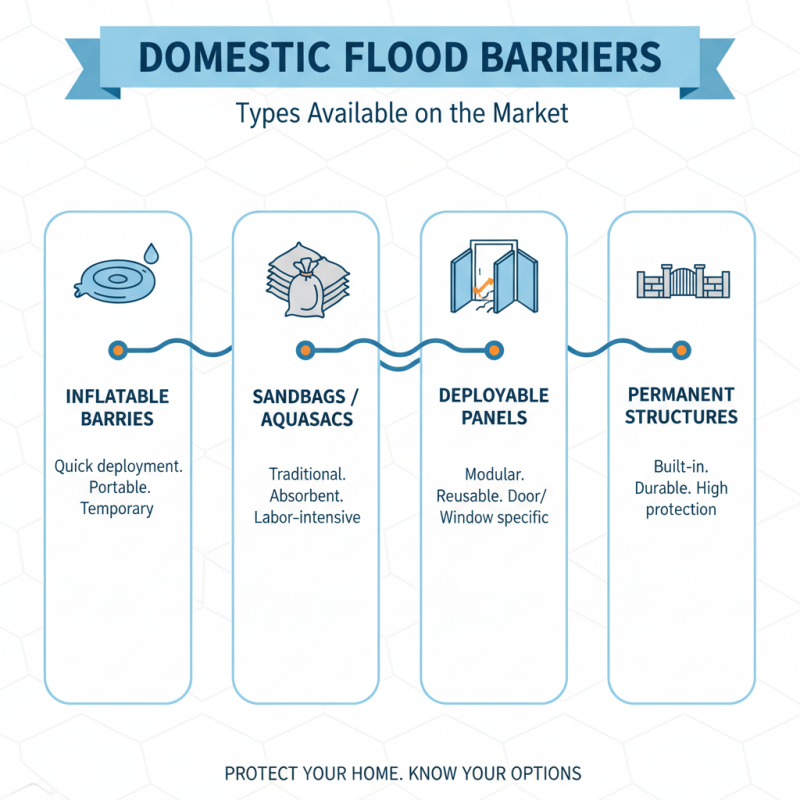
Flooding poses a severe risk to homes, necessitating effective barriers. Various types of domestic flood barriers are available. They range from inflatable barriers to permanent structures. Each type has distinct benefits and limitations.

Inflatable barriers are popular for temporary needs. They can be deployed quickly. According to industry reports, these barriers can handle weight up to 30 psi. However, installation requires precision, and they may not be robust against severe flooding. Homeowners should consider their local flood history when choosing this option.

Permanent flood barriers offer a sturdy solution. These systems are more complex and often require professional installation. They can withstand significant water levels and are built to last. Still, they come with higher upfront costs and maintenance needs. Reports indicate that homes with permanent barriers can reduce water damage costs by up to 70%. However, some users find the aesthetic changes unappealing. Understanding the trade-offs is essential for making the right choice.

Key Features to Consider When Choosing Flood Barriers

When selecting domestic flood barriers, key features can make a difference. First, assess the material quality. Durable materials can withstand harsh conditions. For instance, PVC and aluminum offer strength and longevity. Check whether they are UV resistant. This ensures that they won't degrade quickly when exposed to sunlight.

Ease of installation is critical. Some barriers come pre-assembled, while others require setup. If you're not handy, choose a barrier that is straightforward to install. This can save time and potential frustration. Additionally, consider the height and width of the barrier. A taller barrier may offer better protection, but it should still fit your home’s aesthetic and surroundings.

Tips: Always measure your entry points before purchasing. This avoids the common mistake of misjudging dimensions. You might find that not all barriers fit every space effectively. Maintenance is another aspect to ponder. Regular inspections can identify wear and potential failures. Remember, a barrier is only as good as its upkeep.

Installation and Maintenance Tips for Flood Barriers

When installing domestic flood barriers, proper placement is essential. Choose locations that are most vulnerable to water intrusion, like basements and entryways. The barriers should fit snugly without gaps. Measure the areas accurately to ensure a good seal. Remember, not all homes have the same needs. Your barrier choice should reflect your specific environment and risk level.


Regular maintenance is crucial for effective flood protection. Inspect your barriers periodically, especially after heavy rains. Look for any signs of wear, cracks, or misalignment. It’s important to re-evaluate their condition annually. If you notice any issues, address them immediately. An ignored barrier can lead to severe damage during a flood event. Be prepared to replace or upgrade barriers as needed. Keeping them in top shape can save you headaches later. Flood preparedness is an ongoing process. Keep learning and adapting your strategies to protect your home effectively.

Effectiveness of Flood Barriers in Real-World Scenarios

Flood barriers can be a homeowner's first line of defense against rising waters. Their effectiveness varies significantly based on design and installation. In real-world scenarios, some barriers perform exceptionally well, while others fall short. Factors like soil type and surrounding infrastructure can influence how well these barriers protect a property.

We've seen instances where barriers failed during heavy rains, leading to unexpected flooding. This can result from improper placement or materials that deteriorate over time. Homeowners must regularly inspect these barriers for wear and tear. Testing them under controlled conditions can highlight hidden weaknesses.

The adaptation of flood barriers for changing weather patterns is crucial. As storms grow fiercer, the demand for reliable flood protection will only increase. Engaging with local experts helps in selecting the right options. The key lies in tailoring solutions to specific geographic and climatic challenges. Each home has unique needs that must be carefully assessed.