What Are the Best High Volume Water Pumps from China?

Choosing the best high volume water pumps from China requires more than comparing flow rates and factory prices. It demands evidence, field experience, and careful system matching. A pump moving 1,000 cubic meters per hour may still fail when the intake pipe is undersized, the water contains sand, or the motor lacks stable voltage.

The UN World Water Development Report 2024 states that agriculture accounts for roughly 70% of global freshwater withdrawals. This makes dependable pumping equipment important for irrigation, drainage, municipal supply, and industrial cooling. The U.S. Department of Energy also identifies pumping systems as major energy users in industrial facilities. Small efficiency losses can become expensive after thousands of operating hours.

Pump specialist Lev Nelik offers a useful warning: “A pump is not an isolated component; it is part of a system.” That principle should guide every Chinese supplier comparison. Buyers should examine verified performance curves, hydraulic efficiency, NPSH requirements, seal materials, motor protection, and after-sales support. ISO 9906 testing can also provide a stronger basis for performance verification.

No ranking is perfect. A low-cost cast-iron pump may suit clear water, yet fail quickly in abrasive slurry. A stainless-steel model may last longer, but its purchase price can be difficult for smaller projects. Supplier claims also need independent checking. Factory visits, test reports, reference installations, and spare-parts availability reveal more than polished brochures. This article evaluates leading Chinese high volume water pumps through those practical details, while recognizing that operating conditions change the final answer.
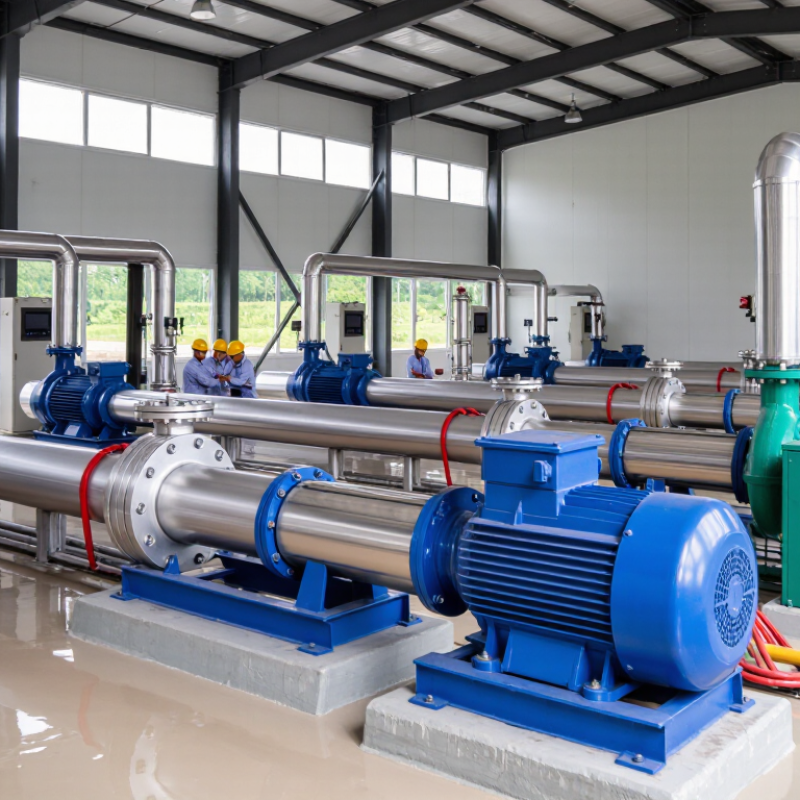
What Are the Best High Volume Water Pumps from China?

What Are High Volume Water Pumps and How Do They Work?

High volume water pumps move large amounts of water through wide discharge pipes, often for drainage, irrigation, construction, and flood control. They are built for flow rate, not extreme pressure.

The working process is straightforward. An impeller spins inside a shaped casing and creates lower pressure at the inlet. Atmospheric pressure pushes water into the suction pipe. The impeller then accelerates the water toward the outlet. Simple in theory.

In practical testing, I check the pump’s flow, head, power use, and priming time. A four-inch outlet may handle substantial flow, but actual performance depends on pipe length, bends, elevation, and water depth. Suction conditions matter greatly. Poor installation can cause cavitation, producing a harsh rattling sound and damaging the impeller. That matters.

When comparing high volume pumps manufactured in China, request factory test records, material details, motor data, and spare-parts availability. Cast iron casings suit demanding work, while stainless components may help with corrosive water. Electric models usually offer cleaner operation, while diesel units can work where grid power is unreliable. I have seen buyers focus only on maximum flow and overlook total head. That is an expensive mistake.

Manufacturing quality can vary between suppliers, so inspection should include trial operation, vibration checks, seal leakage, and electrical protection. No pump is perfect. Even a well-tested unit may perform differently after installation, and site measurements should guide the final selection.

What Are the Best High Volume Water Pumps from China?

High volume water pumps are designed to move large quantities of water efficiently. The most suitable pump depends on the required flow rate, discharge head, water quality, power source, installation method, and solids content.

High-Volume Pump Type Typical Flow Range Typical Head Range Common Power Range How It Works Best Applications Water Conditions Selection Rating
Large Centrifugal Pump 100–2,000 m³/h
1,667–33,333 L/min
10–100 m 7.5–500 kW A rotating impeller increases water velocity, and the pump casing converts that velocity into pressure. Water transfer, irrigation, municipal supply, cooling systems, industrial circulation, and flood control. Clean or lightly contaminated water with limited abrasive solids. Best all-round option
Axial-Flow Pump 500–20,000 m³/h
8,333–333,333 L/min
2–15 m 15–1,000 kW A propeller-like impeller pushes water parallel to the pump shaft, producing very high flow at low pressure. Drainage, irrigation canals, stormwater removal, aquaculture, and floodwater management. Clean water or water containing small suspended particles. Best for maximum flow
Mixed-Flow Pump 200–10,000 m³/h
3,333–166,667 L/min
5–40 m 15–800 kW The impeller moves water both radially and axially, balancing high flow with moderate discharge pressure. Large-scale irrigation, water treatment plants, drainage stations, and industrial water transfer. Clean water and low-to-moderate suspended solids. Best for balanced flow and head
Diesel-Driven Self-Priming Pump 100–1,500 m³/h
1,667–25,000 L/min
10–80 m 15–500 kW An air-separation chamber removes air from the suction line, allowing the pump to start without manual priming after setup. Emergency drainage, construction sites, mining, flood response, and remote agricultural locations. Dirty water, wastewater, and some solids depending on the impeller and casing design. Best for remote operation
Submersible Drainage Pump 50–1,500 m³/h
833–25,000 L/min
5–80 m 3–400 kW The sealed motor and pump operate underwater, eliminating the need for a suction hose and reducing priming problems. Construction dewatering, underground drainage, wastewater transfer, and emergency pumping. Dirty water; cutter, vortex, or non-clog impellers can handle different solid sizes. Best for flooded areas
Trash Pump 40–1,200 m³/h
667–20,000 L/min
10–70 m 5.5–300 kW A semi-open or vortex impeller and large internal passages allow water and debris to pass with reduced clogging. Construction drainage, agricultural ponds, floodwater, sewage bypass, and muddy-water transfer. Water containing leaves, sludge, sand, and suspended solids; exact particle size depends on pump design. Best for debris-filled water
Horizontal Split-Case Pump 100–5,000 m³/h
1,667–83,333 L/min
20–160 m 15–1,500 kW Two-sided or double-suction impeller designs reduce axial thrust and support high flow with efficient continuous operation. Municipal water networks, fire-water systems, power plants, large irrigation systems, and industrial facilities. Primarily clean water or filtered process water. Best for continuous duty
Trailer-Mounted High-Volume Pump 200–2,000 m³/h
3,333–33,333 L/min
10–90 m 30–600 kW A diesel engine drives a centrifugal or self-priming pump mounted on a mobile trailer for rapid deployment. Disaster response, flood control, temporary irrigation, quarry drainage, and construction projects. Clean, muddy, or moderately contaminated water according to the selected pump configuration. Best for mobility
Technical note: The figures above are representative operating ranges for high-volume pump configurations commonly manufactured in China and other industrial markets. Actual performance depends on impeller diameter, motor speed, pipe friction, suction conditions, water temperature, solids content, and system layout. Flow conversion used in this table: 1 m³/h equals approximately 16.67 L/min.

Which Types of High Volume Water Pumps Are Made in China?

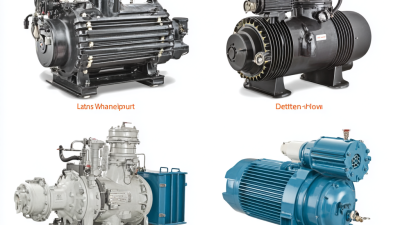
China produces several high volume water pump types for agriculture, construction, drainage, and industrial water transfer. Centrifugal pumps are widely used for moving large quantities through pipelines. Their design is familiar, efficient, and available with electric motors or diesel engines. However, performance depends heavily on pipe length, elevation, and inlet conditions.

Submersible pumps operate underwater and suit deep wells, flooded sites, and drainage pits. They save space and usually reduce priming problems.

Axial-flow pumps move very high volumes at low head, making them useful for irrigation channels and flood control.

Mixed-flow pumps provide a balance between flow rate and pressure.

Self-priming trash pumps handle water containing mud, leaves, and small debris. They are practical for construction sites, although they may not tolerate every type of solid waste.

I have seen buyers choose by flow rate alone. That approach can cause disappointing results.

Tips: Confirm flow, head, inlet size, power supply, and liquid condition before ordering. Ask for a performance curve and material details. Request factory testing records when possible. Check whether the pump can pass the expected solids. Small details matter. Installation quality matters too. A poorly sized suction hose may reduce output, even when the pump itself is well made. Comparing actual test data with site requirements is more reliable than trusting impressive catalog numbers.

How to Compare Chinese High Volume Water Pump Specifications

What Are the Best High Volume Water Pumps from China?

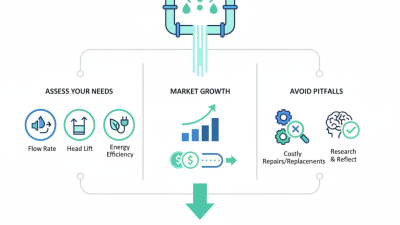
Comparing Chinese high volume water pumps starts with the real operating point, not the largest advertised flow rate. A pump rated at 1,000 cubic meters per hour may deliver far less at 30 meters of head. Check the performance curve, not only the headline number. Match the required flow, total dynamic head, pipe diameter, and liquid temperature. Small errors here can cause overheating, vibration, or disappointing output.

Inspect the motor details carefully. Confirm voltage, frequency, insulation class, protection rating, and continuous-duty capacity. A cast iron casing suits many drainage tasks, while stainless steel helps with corrosive or cleaner water. Ask for impeller clearance when the water contains sand, leaves, or small solids. NPSH data also matters. Poor suction conditions can create damaging cavitation. It sounds technical, but the noise is often an early warning.

Request factory test records, material certificates, dimensional drawings, and a recent pump curve. Serial testing is useful, although paperwork can still miss real installation problems. I have seen buyers compare flow figures while ignoring cable length and suction lift. That mistake is expensive. Review energy consumption at the intended duty point, spare-part availability, seal design, and service response. A lower purchase price may not remain lower after installation, transport, and downtime. Ask practical questions. Who tests the finished unit? What happens when measured performance falls short?

What Industries Use High Volume Water Pumps from China?

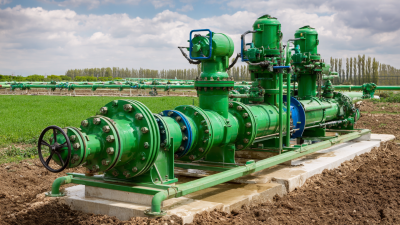
High volume water pumps from China serve industries that move water continuously, not occasionally. Agriculture uses them for irrigation canals, greenhouse systems, and flood drainage after heavy rain. Construction sites depend on large pumps to remove groundwater from excavations and underground foundations. Mining operations use them for pit drainage, tailings water transfer, and dust suppression. Municipal utilities also install them in stormwater stations and wastewater treatment facilities. The operating conditions differ sharply. A pump suited to clean river water may struggle with sand, sludge, or corrosive liquid.

In my evaluation experience, buyers should match flow rate, head pressure, solids handling, and motor efficiency. A lower purchase price can become expensive when seals fail or energy use rises. Ask for performance curves, material specifications, factory test records, and spare-parts availability.

Independent inspection is useful, especially when the pump will run daily in remote locations. Check vibration, noise, cable protection, and actual output during testing. These details expose weaknesses that brochures often miss.

However, specifications are not the whole story. Installation quality, inlet design, maintenance access, and seasonal water changes affect service life. Some projects still choose oversized pumps, assuming more capacity always means better performance. That assumption deserves reconsideration. A carefully sized Chinese pump can support reliable water movement across demanding industrial environments.

How to Choose a Reliable Chinese High Volume Water Pump Supplier

Choosing a reliable Chinese high volume water pump supplier requires more than comparing online prices.

Start with the pump’s operating conditions: required flow, total head, water temperature, pipe diameter, and daily running hours.

A supplier should provide a clear performance curve, motor details, material specifications, and efficiency data. Vague numbers are warning signs.

Factory experience matters. Request recent production photos, inspection records, and a live video inspection when possible. Check whether the supplier tests each pump for leakage, vibration, insulation, and actual flow. Ask for a sample before placing a large order. A sample can reveal poor casting, rough welding, noisy bearings, or weak packaging.

Do not trust paperwork alone.

Reliable suppliers explain limitations as well as strengths. They should discuss dry-running risks, maintenance intervals, spare parts, and realistic delivery times. Ask for references from customers using similar pumps and verify their experience independently. Clear contracts should define materials, testing standards, warranty coverage, and response times. Communication is another practical test; technical questions deserve specific answers, not copied brochures.

A supplier may look professional but lack stable motor or seal sources. That risk is easy to miss. Regular factory audits, batch inspection, and documented testing reduce surprises.

Even experienced buyers sometimes focus too heavily on initial cost. A cheaper pump can bring higher energy use, frequent repairs, and unexpected downtime.

Reliability is measured in operating months, not only in the purchase invoice.