Best Home Textile Fabric Trends for 2026 What to Expect?
As we look towards 2026, the home textile fabric industry is poised for significant transformation. Emerging trends will reflect consumer demands for sustainability, comfort, and innovative designs. According to recent market analysis by Statista, the global home textile market is expected to reach over $150 billion by 2026. This indicates a rising interest in quality textiles that enhance living spaces.
Sustainability will play a crucial role in shaping future fabric choices. A report by Allied Market Research highlights that 60% of consumers prioritize eco-friendly materials. This shift suggests a growing awareness of the environmental impact of home textile fabric production. Brands that do not adapt may lag behind, emphasizing the need for reflection on current practices.
Moreover, personalization will take center stage. Consumers now seek unique designs to express their identity in their homes. However, finding the right balance between style and practicality can be challenging. In a fast-evolving market, understanding these trends can inspire better decisions for both manufacturers and consumers alike.
Emerging Colors and Patterns in Home Textile Fabrics for 2026
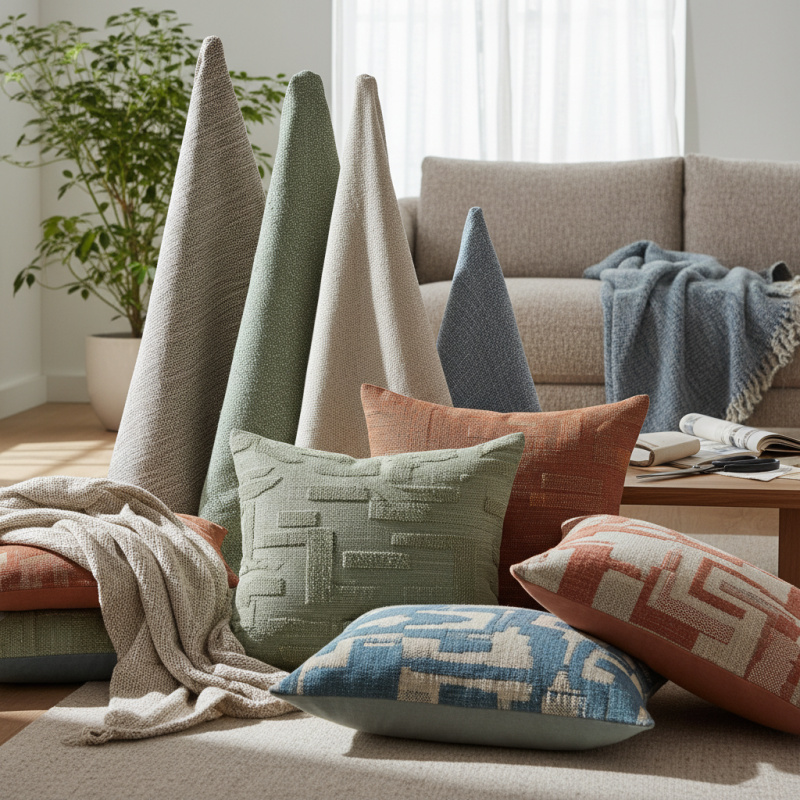
As we look ahead to 2026, home textile fabrics are set to embrace vibrant colors and engaging patterns. Earthy tones will dominate, evoking connection to nature. Think deep greens, warm terracottas, and soft ochres. These hues bring a sense of calm and comfort into living spaces.
Textiles will showcase playful patterns. Expect bold geometric designs, abstract shapes, and oversized florals. These motifs inject energy and personality into your home. Textured fabrics will also rise in popularity, adding tactile interest and depth to your decor.
Tip: When mixing patterns, choose a unifying color to bring harmony. This could be a neutral or a recurring shade through your selected fabrics. Don’t be afraid to experiment, but ensure balance in your choices.
Nature-inspired designs will continue to gain traction. Consider botanical prints or animal motifs that celebrate wildlife. These elements will lend a vibrant, organic feel to interiors. Yet, it’s vital to approach trends with caution. What works now may not resonate in a few years. Reflect on your personal style before diving in.
Sustainable Materials and Eco-Friendly Practices in Textile Production
Sustainable materials are changing the home textile landscape. More consumers seek eco-friendly options for their living spaces. Organic cotton, linen, and hemp are rising in popularity. These fabrics use less water and chemicals. They provide a healthier environment in homes. Yet, challenges remain. Not all manufacturers adopt these practices.
Eco-friendly production practices are essential for the future. Recycling old textiles reduces waste. Innovations in dyeing processes minimize water use. However, consumers must educate themselves. The market can be misleading about what is truly sustainable. Transparency is crucial for informed choices.
As we look ahead, the shift toward sustainability is inevitable. Home textiles will increasingly feature biodegradable materials. Still, awareness of ethical sourcing is necessary. Buyers must ask questions and reflect on their choices. The future of home textiles depends on our commitment to change.
Innovations in Fabric Technology Enhancing Durability and Comfort
The home textile industry is evolving rapidly, driven by innovations in fabric technology. As we approach 2026, the demand for durable and comfortable materials rises. Reports indicate that 45% of consumers prioritize durability when choosing textiles. This push for longevity is reshaping production methods and material choices.
New technologies are enhancing the mechanical properties of fabrics. For instance, moisture-wicking capabilities are being integrated into everyday textiles. These advancements not only improve comfort but also extend the lifespan of fabrics. By 2025, it is expected that eco-friendly materials will make up 30% of the textile market, emphasizing sustainability alongside durability.
However, challenges remain. Not all innovations meet consumer expectations. For example, some high-performance fabrics sacrifice comfort for durability, which can lead to dissatisfaction. Additionally, the cost of advanced textiles often deters smaller manufacturers from adopting new technologies. Balancing innovation with consumer needs is a critical aspect of the industry's future. This ongoing transition invites reflection on how consumer preferences will shape textile design moving forward.
Best Home Textile Fabric Trends for 2026
Cultural Influences Shaping Home Textile Trends in 2026
As we approach 2026, cultural influences will play a pivotal role in shaping home textile trends. Data from global market research indicates that textiles inspired by multicultural aesthetics are on the rise. Fabrics showcasing traditional patterns, such as ikat and batik, are becoming popular. They resonate with consumers seeking to connect their interiors to a broader cultural tapestry.
Sustainability continues to be a significant factor. Over 70% of consumers now prefer eco-friendly materials, according to recent industry reports. This shift reflects a deeper ethical consciousness among shoppers. People are looking for textiles that tell a story, often rooted in local heritage. Textiles adorned with hand-woven techniques or organic fibers are gaining traction.
Tips: Consider incorporating globally inspired patterns into your decor. Use cushions or throws to experiment with this trend. Such pieces can transform a room and spark conversations. Choose sustainable fabrics that align with your values. You’ll feel good about your choices while enhancing your space. Look for colors and designs that resonate with your personal story, embracing imperfections as part of the journey.
Best Home Textile Fabric Trends for 2026
| Trend | Description | Cultural Influence | Color Palette |
| Sustainable Fabrics | Fabrics made from organic or recycled materials, promoting eco-friendliness. | Environmental Awareness | Earthy tones, greens, and natural shades |
| Bold Prints | Vibrant and oversized prints that make a statement in interior decor. | Pop Culture and Art | Bright primary colors, high-contrast combinations |
| Textured Fabrics | Fabrics that emphasize tactile experiences, such as velvet and bouclé. | Minimalism and Comfort | Muted shades, soft neutrals, and warm hues |
| Geometric Patterns | Shapes that create visual interest and structure in fabric design. | Modern Architecture | Monochromatic schemes mixed with bold accents |
| Cultural Inspiration | Fabrics drawing from global traditions, motifs, and craftsmanship. | Cultural Heritage and Diversity | Rich colors from various cultural palettes |
The Role of Smart Textiles in Modern Home Decor Choices
Smart textiles are transforming modern home decor in significant ways. With the increasing integration of technology into fabrics, homes are becoming more functional and stylish. According to a recent report by ResearchAndMarkets, the smart textiles market is expected to reach $4 billion by 2026. This rapid growth reflects user demand for innovative features in home textiles.
Imagine curtains that adjust their opacity based on sunlight or bedding that regulates temperature. These advancements offer enhanced comfort and convenience. Smart textiles can contribute to energy efficiency, saving on heating and cooling costs. However, the complexities of these textile technologies often require consumers to learn new maintenance routines. This can be daunting for some.
Moreover, not every smart textile is ready for mass adoption. Reliability and durability remain areas for improvement. Many consumers are unsure about the longevity of these products. While smart textiles can elevate home aesthetics, issues such as cost and compatibility with existing decor also need to be considered. Balancing these factors will be critical as we move toward 2026.
