10 Best Large Water Pumps for Efficient Water Management in 2023
In the realm of efficient water management, the significance of a reliable large water pump cannot be overstated. Whether for agricultural irrigation, construction site dewatering, or emergency flood response, the right large water pump can make all the difference in effectively managing significant volumes of water. As we advance into 2023, the need for high-capacity pumps that ensure durability and reliability is paramount for various industries and applications.
This guide presents a comprehensive overview of the ten best large water pumps available this year. These pumps embody the latest technological advancements, designed to optimize performance while minimizing energy consumption. By understanding the features and benefits of these large water pumps, users can make informed decisions that cater to their specific water management needs. The focus is not only on efficiency but also on resilience and user-friendliness, which are crucial for handling high-water scenarios seamlessly.
Navigating the myriad options on the market can be challenging, but with the right insights, selecting the ideal large water pump becomes a simpler task. As we explore the top contenders, we will highlight the essential aspects that define their effectiveness in tackling various water-related challenges, ensuring that users can choose the perfect pump for their operations.
Overview of Large Water Pumps and Their Importance in Water Management
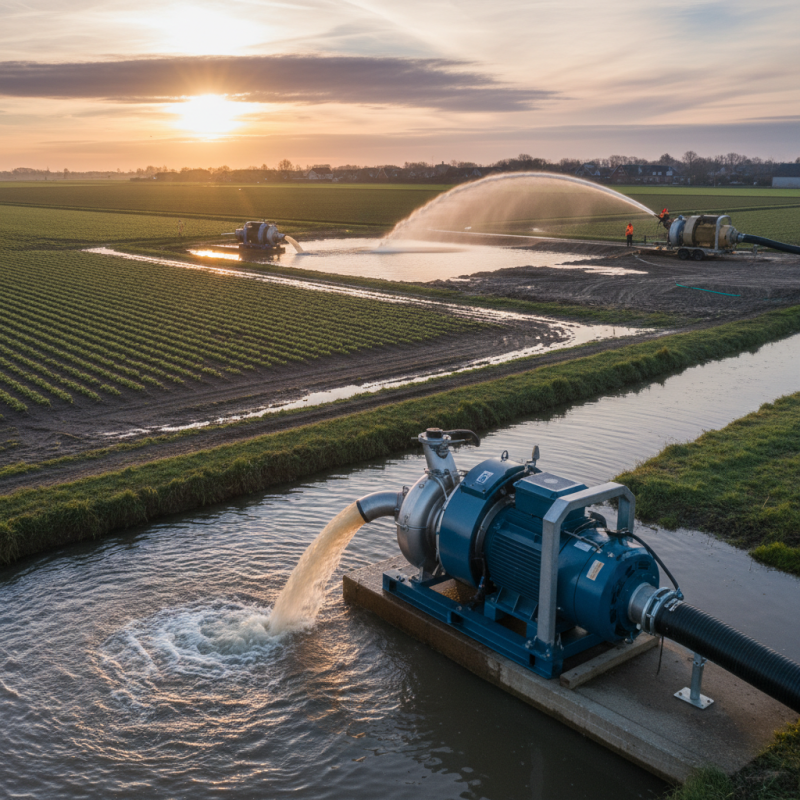
Large water pumps play a crucial role in effective water management, making them essential for various industries including agriculture, construction, and municipal services. According to the Water Research Foundation, efficient water pumping systems can reduce energy consumption by up to 30% while increasing the reliability of water supply systems. The importance of these pumps extends to mitigating flooding, irrigation, and ensuring safe drinking water supplies. With the increasing demand for water resources due to population growth and climate change, investing in large water pumps is more critical than ever.
When selecting a large water pump, consider factors such as flow rate, head height, and power efficiency. A recent report from the American Society of Civil Engineers indicates that integrating energy-efficient pumps not only lowers operational costs but also helps in achieving sustainability goals. Regular maintenance is essential to ensure your pumping system operates optimally, as even minor inefficiencies can lead to significant energy waste.
Tips: Always assess the specific requirements of your application before purchasing a water pump. Conducting a thorough analysis of both current and anticipated needs can help in choosing the right capacity and type. Additionally, scheduling regular maintenance checks will prolong the lifespan of your pumping system and enhance its efficiency, ensuring that it continues to meet your water management needs effectively.
10 Best Large Water Pumps for Efficient Water Management in 2023
| Pump Type |
Max Flow Rate (GPM) |
Max Head (Feet) |
Power Source |
Weight (lbs) |
Price Range ($) |
| Submersible Pump |
2000 |
30 |
Electric |
45 |
150 - 300 |
| Surface Pump |
1800 |
40 |
Gasoline |
60 |
250 - 500 |
| Wastewater Pump |
1500 |
25 |
Electric |
75 |
300 - 700 |
| Borehole Pump |
1200 |
50 |
Solar |
50 |
400 - 800 |
| Hydraulic Pump |
2200 |
60 |
Diesel |
80 |
700 - 1200 |
| Diaphragm Pump |
900 |
20 |
Electric |
40 |
200 - 400 |
| Centrifugal Pump |
2500 |
35 |
Gasoline |
70 |
300 - 600 |
| Trash Pump |
1800 |
25 |
Electric |
85 |
250 - 500 |
| Piston Pump |
1600 |
45 |
Solar |
55 |
350 - 700 |
| Positive Displacement Pump |
700 |
15 |
Electric |
30 |
150 - 300 |
Key Features to Consider When Choosing a Large Water Pump
When selecting a large water pump, several key features must be considered to ensure efficient water management. First and foremost, the pump's flow rate is crucial. According to a report by the Water Management Institute, a pump's flow rate can significantly impact water distribution efficiency, particularly in agricultural and industrial applications. Pumps with higher gallons per minute (GPM) ratings can facilitate quicker water transfer, reducing downtime and enhancing productivity. It's important to assess the specific needs based on the area of use, as the right flow rate varies between residential drainage projects and large-scale commercial operations.
Another important factor is the pump's power source, which could be electric, gas, or diesel. Each power type has distinct advantages and limitations, especially concerning operational costs and portability. A comprehensive survey by the Hydraulic Institute highlighted that electric pumps tend to have lower operating costs and are typically quieter, making them suitable for urban environments. Conversely, fuel-powered pumps provide greater mobility for fieldwork where power sources may be limited. Additionally, examining the pump's total dynamic head (TDH) is vital, as it determines how effectively the pump can overcome elevation changes and pressure losses in the system. Understanding these features ensures that users make informed decisions tailored to their specific water management needs in 2023.
Top 10 Large Water Pumps Reviewed for Performance and Efficiency
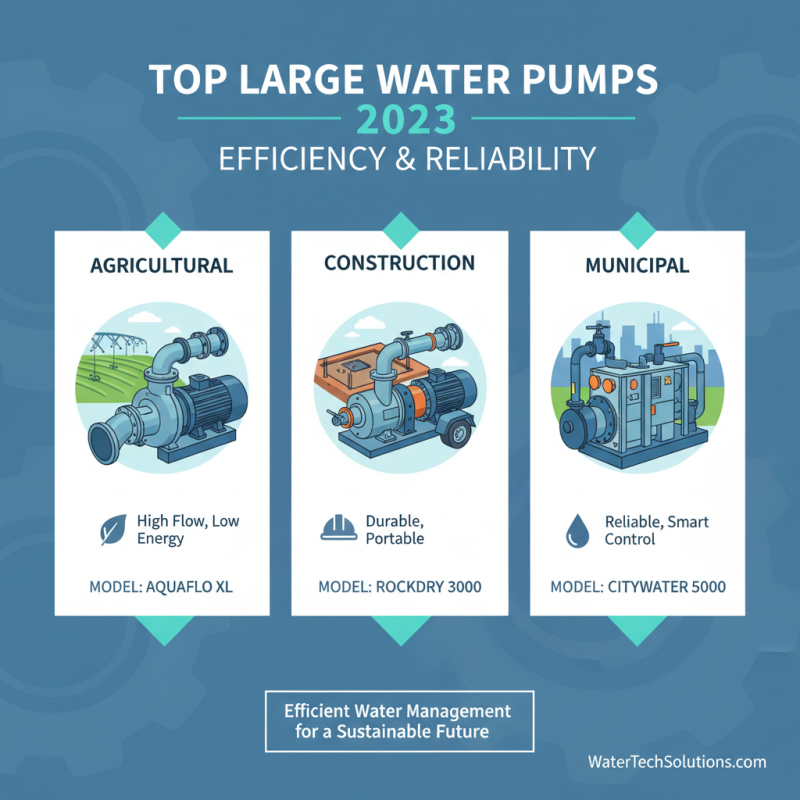
When it comes to efficient water management, selecting the right large water pump is crucial for various applications, whether it’s for agricultural use, construction sites, or municipal water systems. The performance and efficiency of a water pump directly influence its ability to move vast amounts of water quickly and reliably. In 2023, several models stand out in terms of design, user-friendliness, and energy consumption, making them ideal choices for those seeking long-term reliability and effectiveness.
Key features to consider when evaluating large water pumps include their flow rate, power consumption, and construction material. High-performance pumps typically offer optimized hydraulic designs that enhance fluid movement while minimizing energy loss. Additionally, durable materials ensure longevity and reduce the need for frequent maintenance, which is a significant advantage for users managing large-scale operations. Advanced technology, such as variable speed drives and automated control systems, can further boost efficiency by allowing for precise adjustments based on the specific needs of the water management task.
Comparative Analysis of Leading Brands in Large Water Pumps
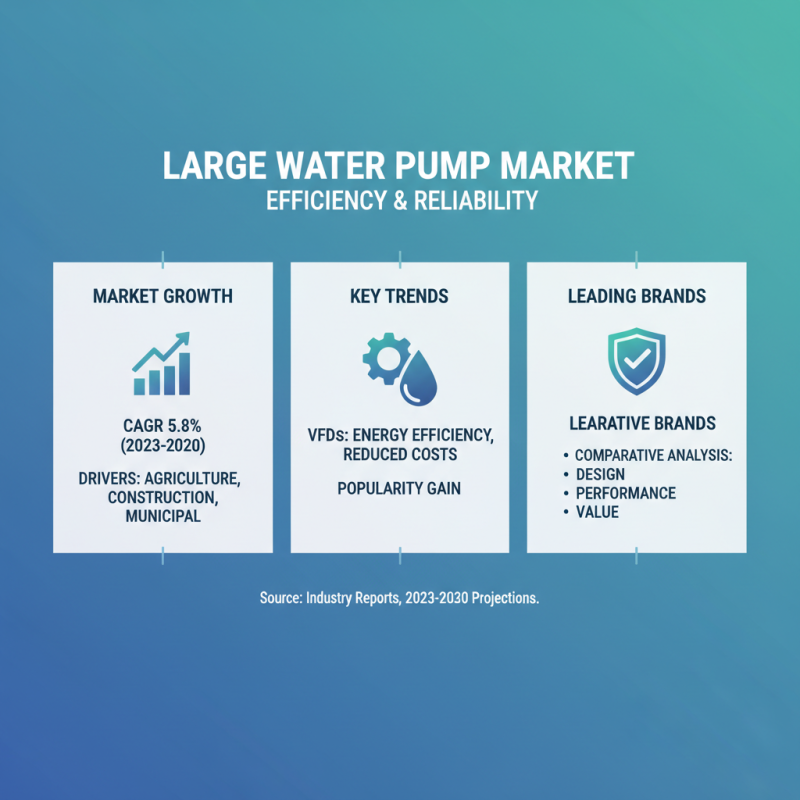
In the realm of large water pumps, efficiency and reliability are paramount. A comparative analysis of leading brands reveals significant variances in design, performance, and overall value to consumers. Industry reports indicate that the global large water pump market is projected to grow at a CAGR of 5.8% from 2023 to 2030, driven by rising demand in sectors such as agriculture, construction, and municipal water management. These reports highlight that motors with variable frequency drives (VFDs) have gained popularity, enhance energy efficiency, and reduce operational costs, which is a critical factor for large-scale water management systems.
Upon reviewing technical specifications, it becomes clear that flow rate, head pressure, and material composition are key areas where brand performance diverges. Data from the International Pump Manufacturers Association (IPMA) underscores that pumps designed with corrosion-resistant materials can increase durability and lifespan significantly in harsh environments. Moreover, advancements in smart technology in pump systems—allowing for real-time monitoring and management—are increasingly becoming industry standards, providing users with critical data to optimize water usage and counteract wasteful practices. Therefore, understanding these variables is essential for selecting a large water pump that not only meets operational needs but also aligns with sustainability goals in water management initiatives.
Maintenance Tips for Ensuring Longevity of Water Pumps
Maintaining large water pumps is crucial for ensuring their efficiency and extending their operational lifespan. According to a report by the American Society of Mechanical Engineers (ASME), regular maintenance can reduce downtime by up to 30%, significantly enhancing productivity in water management systems. One of the most essential maintenance tips is to regularly inspect and clean the pump’s filters. Clogged filters can cause strain on the system, leading to increased energy consumption and potential mechanical failures.
Moreover, lubrication of moving parts is vital to prevent wear and tear. The International Pump Users Association recommends checking lubrication levels every three months to avoid overheating and subsequent damage. Additionally, it's important to perform periodic inspections of the pump casing and seals to identify any signs of wear or leaks. A proactive approach can prevent minor issues from escalating into costly repairs, as noted in a study by the Hydraulic Institute, which found that effective maintenance could extend the lifespan of water pumps by 40% or more. Adhering to these maintenance practices ensures that large water pumps operate efficiently and reliably, securing a sustainable water management strategy.
Water Pump Capacity Comparison (GPM)