2026 Best Temporary Water Barriers for Effective Flood Management Solutions?

Flooding poses significant challenges to communities worldwide. According to the National Oceanic and Atmospheric Administration (NOAA), flooding accounts for nearly 90% of all natural disasters in the United States. This emphasizes the urgent need for effective flood management solutions. Among these solutions, temporary water barriers have emerged as essential tools for protecting vulnerable areas. Their flexibility and ease of deployment make them suitable for various situations.

Recent advancements in material technology have improved the efficacy of temporary water barriers. Reports suggest that these barriers can withstand up to 10 feet of water when properly installed. Despite this, there are challenges. Not all barriers perform equally in diverse environments. Factors such as soil type and water velocity can influence their effectiveness. Each deployment requires careful consideration of local conditions.

While temporary water barriers are valuable, their limitations must be acknowledged. In some instances, they may not provide complete protection against severe floods. Communities must remain vigilant and backup plans should be in place. Exploring the top options for temporary water barriers in 2026 will provide insight into achieving better flood management.
2026 Best Temporary Water Barriers for Effective Flood Management Solutions?

Overview of Temporary Water Barriers in Flood Management

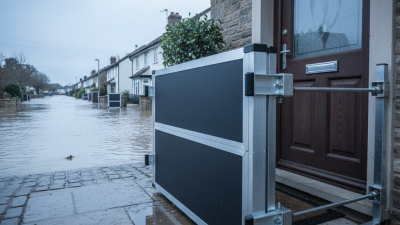
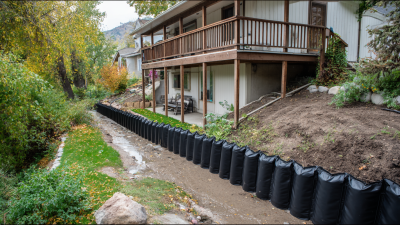
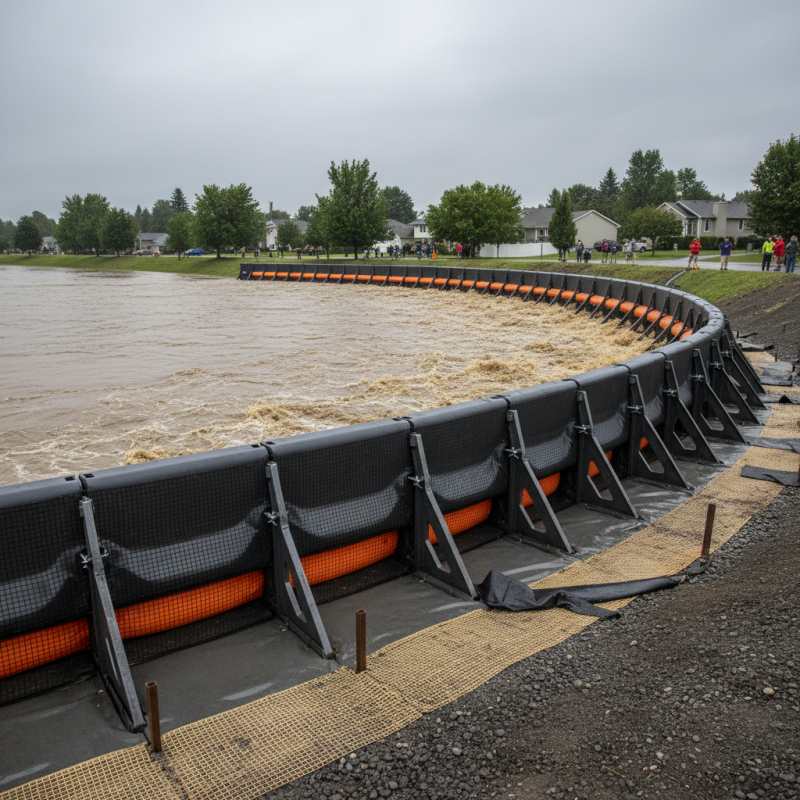
Temporary water barriers play a crucial role in flood management. They are designed to divert water away from vulnerable areas. These barriers can be made from various materials, such as sandbags, inflatable dams, or modular panels. Each type offers distinct advantages depending on the situation. For instance, inflatable barriers are quick to deploy and can cover large areas. However, they may not withstand severe conditions without proper anchoring.

Before choosing a temporary water barrier, assess the potential flooding risks. Determine the water flow and pressure in the area you want to protect. Be mindful of your surroundings. Temporary barriers should not block drainage systems or disrupt local wildlife.

**Tips:** Engage local experts for advice. They can help identify effective solutions tailored to your specific needs. Always conduct regular maintenance checks on installed barriers. This practice ensures they remain in good condition when emergencies arise. Remember, effective flood management often requires a multi-layered approach. Relying solely on one type of barrier may lead to vulnerabilities. Adapt and evolve your flood management strategies as needed.

Types of Temporary Water Barriers Available in 2026

Temporary water barriers have become essential for flood management strategies. In 2026, several types are available to meet diverse needs. These barriers vary in design, materials, and application methods. Some are inflatable, while others use rigid structures. The choice depends on factors like location and expected water volume.

When considering barriers, think about their deployment time. Some barriers inflate in minutes, while others require more effort. Fast deployment is crucial for emergency situations. Also, think about their durability. Factors like wind and debris can affect performance. It’s essential to assess these risks before making a choice.

Tips: Always check local regulations regarding barrier use. Some areas may have restrictions. Ensure the chosen barrier can withstand your area's specific conditions. Regular maintenance is key to longevity. Unused barriers should be inspected periodically to avoid issues.

Factors to Consider When Choosing Water Barriers for Flood Control

2026 Best Temporary Water Barriers for Effective Flood Management Solutions?

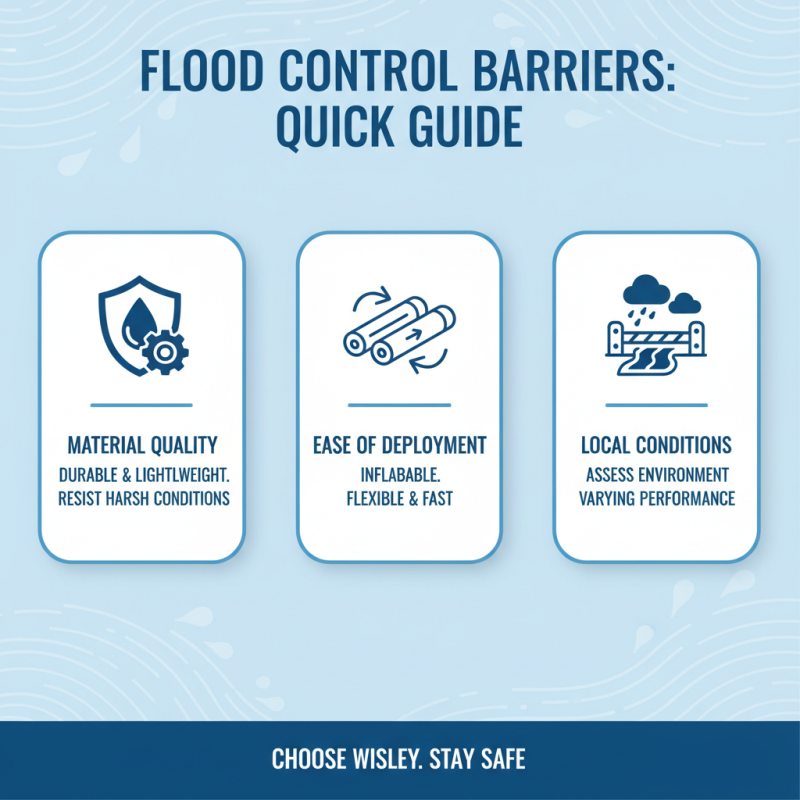
When choosing temporary water barriers for flood control, several factors must be considered. Material quality is crucial. Look for options that are durable yet lightweight. A barrier must withstand harsh conditions without breaking down. Inflatable barriers are popular for their ease of deployment. They provide flexibility in various environments. However, their performance can vary. It’s vital to assess the local conditions before selecting this option.

Next, consider the height and width requirements of the barriers. Proper dimensions are necessary to effectively manage floodwaters. A barrier too low may not contain rising water, while one too high could be impractical to install. Some barriers offer modular designs which allow for customization. This flexibility can be beneficial in unpredictable flood scenarios.

Finally, think about the installation process. Some barriers require heavy machinery, while others can be set up by hand. Accessibility plays a significant role. In some cases, barriers might not be installed quickly enough, leading to significant damage. Timely response is essential, and your choice should facilitate rapid deployment. By reflecting on these factors, you can better prepare for unexpected flooding situations.

Installation and Maintenance Best Practices for Water Barriers

Proper installation of temporary water barriers is crucial for effective flood management. Data from industry reports indicates that poorly installed barriers can reduce effectiveness by up to 40%. It’s essential to ensure a tight fit against the ground. Using sandbags or soil can create added stability. However, frequent inspections are necessary. After heavy rains, barriers may shift. This misalignment can lead to leaks. Immediate adjustments can preserve their integrity.

Maintenance practices also play a vital role. Regular checks for wear and tear help prolong the life of these barriers. Reports show that barriers can degrade quickly if not monitored. Cleaning debris off barriers boosts their functionality. Additionally, training personnel on proper setup is often overlooked. Without consistent training, mistakes can occur. The effectiveness of temporary barriers relies on human execution. Regular workshops can bridge knowledge gaps. When teams work well, flood resilience improves significantly.

Case Studies: Successful Implementation of Temporary Water Barriers

In recent flood management efforts, temporary water barriers have shown remarkable potential. Communities across the globe have adopted these solutions. For instance, a small town in the Midwest faced severe flooding last summer. The local government deployed temporary barriers along the riverbanks. They successfully reduced water inflow, protecting homes and businesses. The community came together, reinforcing these barriers with sandbags for additional support.

Another case involved a coastal city during hurricane season. Heavy rains and rising tides posed significant threats. Emergency teams set up inflatable barriers along critical waterfronts. While effective, they faced challenges. Some barriers were not anchored well, causing leaks during peak pressure. This exposed the need for better training and preparation. Residents reported that while the barriers helped, communication about risks remained vital. In both cases, the temporary barriers provided essential flood protection. Nonetheless, the implementation highlighted gaps that future strategies must address for greater effectiveness.

2026 Best Temporary Water Barriers for Effective Flood Management Solutions

Barrier Type Height (ft) Length (ft) Material Deployment Time (hrs) Case Study Location Effectiveness Rating (1-5)
Inflatable Dam 6 100 PVC 2 California 5
Modular Barrier 4 200 Metal 3 Florida 4
Sandbag 3 150 Jute 5 New York 3
Water-Gated Barrier 5 80 Concrete 4 Texas 5
Flexible Flood Barrier 8 120 Textile 1 Louisiana 4