What are the Best Water Barriers for Flooding Solutions?

In recent years, the rise in flooding events has highlighted the importance of efficient water barriers for flooding. Experts emphasize the need for innovative solutions. “Prevention is better than cure,” states Dr. Emily Rhodes, a leading authority in flood management. Her words resonate as communities seek effective measures.

Water barriers for flooding come in various designs and materials. They range from temporary solutions to permanent structures. Each option has its strengths and weaknesses. Some barriers are easy to deploy but may lack durability. Others are robust but can be cost-prohibitive.

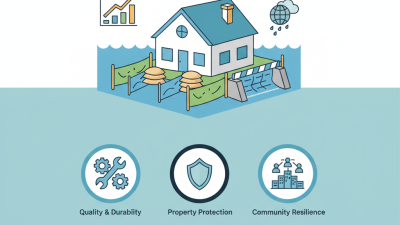
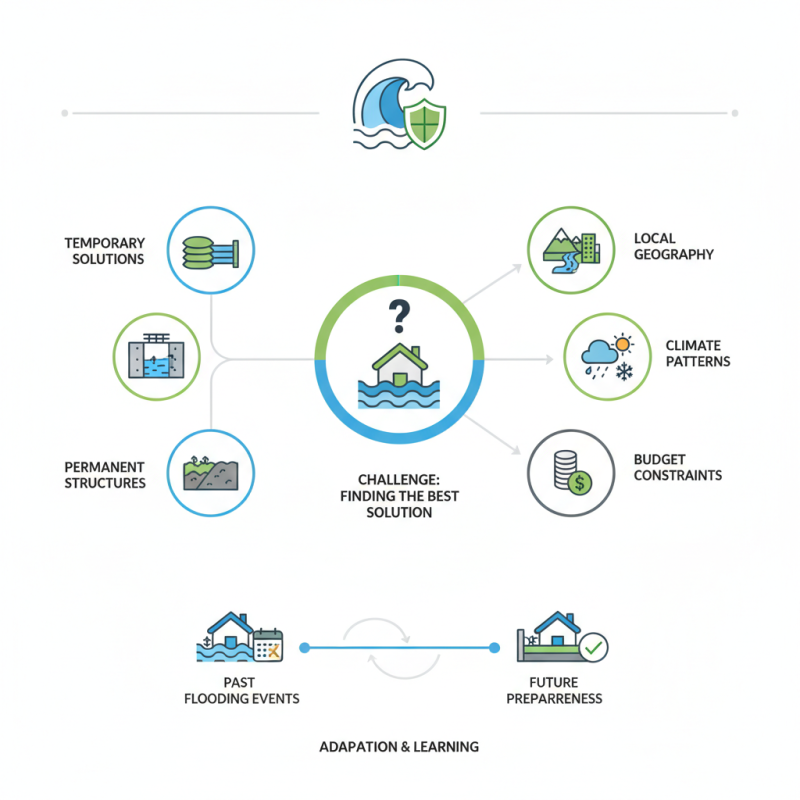
Selecting the right barrier requires careful consideration. Local geography, climate patterns, and budget constraints all play significant roles. It is clear that while options exist, finding the best water barrier solutions remains a challenge for many. Communities must adapt, learning from past flooding events to better prepare for the future.
What are the Best Water Barriers for Flooding Solutions?

Types of Water Barriers: An Overview of Effective Flood Solutions

Water barriers play a crucial role in managing flood risks. Various types of barriers offer different levels of protection. Sandbags, for example, are a traditional solution. However, they only provide temporary relief and require constant maintenance. A report from the National Flood Insurance Program indicates that approximately 20% of flood insurance claims come from areas outside high-risk zones. This highlights the need for more effective and durable solutions.

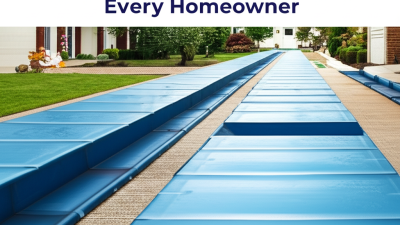
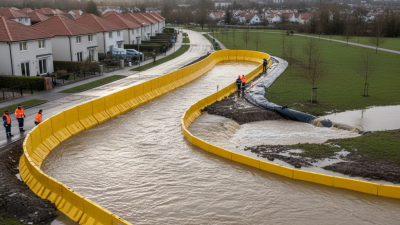
Another option is inflatable barriers. These can be deployed quickly and are easy to store. They allow for rapid responses during emergencies. A study by the Federal Emergency Management Agency found that inflatable barriers reduced flooding impact by up to 90% in certain scenarios. However, they may not withstand extreme conditions. They can fail when faced with strong debris.

Permanent structures like levees present more durable solutions. They are engineered to withstand significant water pressures. Yet, their construction can be costly and time-consuming. A report by the American Society of Civil Engineers states that many levee systems in the U.S. are poorly maintained. This poses risks to communities relying on these structures. Flooding solutions must adapt to varying conditions while balancing cost and effectiveness.

Types of Water Barriers and Their Effectiveness

This chart illustrates the effectiveness ratings of various water barrier types used for flood mitigation. Ratings are based on a scale from 1 to 10, with higher values indicating greater effectiveness.

Comparative Analysis of Flood Barriers: Costs and Performance Metrics

Flood barriers are critical for protecting properties in flood-prone areas. In a comparative analysis of various flood barriers, cost and performance metrics reveal significant variations. According to the National Flood Barrier System, passive barriers generally cost between $5,000 and $20,000. Active barriers, on the other hand, can exceed $50,000 but offer enhanced protection in extreme conditions.

Performance metrics also differ greatly. Some barriers stop 95% of incoming water, while others struggle at 70%. This discrepancy highlights the need for careful selection. A study by the American Society of Civil Engineers emphasized that not all barriers are effective in all situations. Many fail under specific conditions, such as high-velocity flows.

A closer look at installation time is necessary. Some solutions are quick to deploy, taking only hours, while others require days or weeks. Furthermore, maintenance plays a crucial role in long-term effectiveness. Neglected barriers can be less reliable. Understanding these factors is essential for making informed decisions. Flood barriers must ultimately strike a balance between cost and performance.

What are the Best Water Barriers for Flooding Solutions? - Comparative Analysis of Flood Barriers: Costs and Performance Metrics

Barrier Type Height (ft) Length (ft) Cost ($ per ft) Durability (years) Ease of Installation Effectiveness (% protection)
Sandbags 3 10 2 1 High 60
Modular Flood Walls 5 15 25 15 Medium 85
Inflatable Barriers 4 20 30 10 Low 75
Permanent Flood Barrier Systems 6 50 50 50 High 90
Temporary Flood Barriers 3 30 15 5 Medium 70

Innovative Technologies in Water Barrier Design for Urban Flooding

What are the Best Water Barriers for Flooding Solutions?

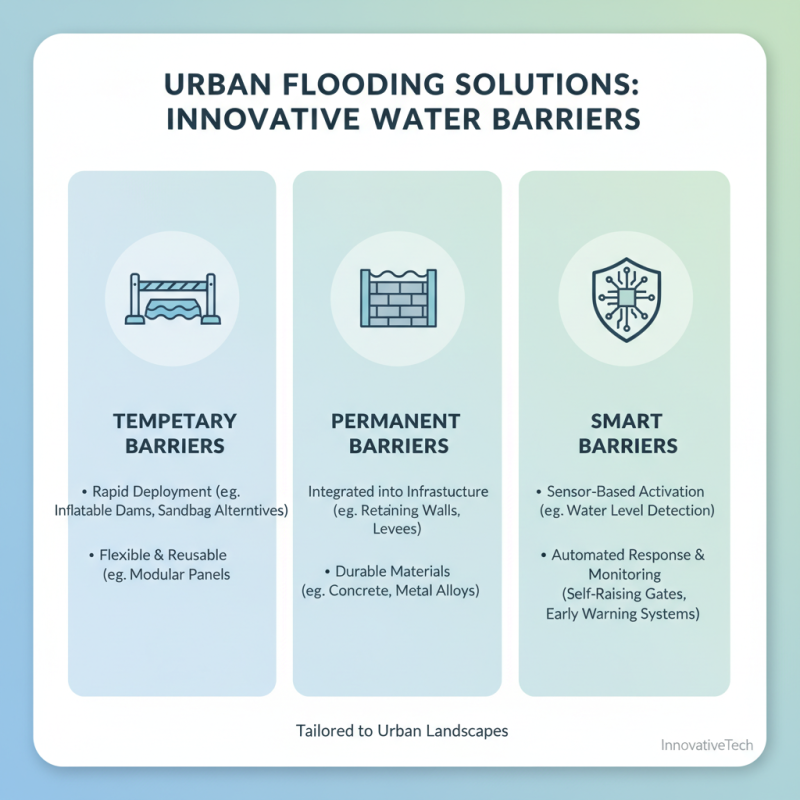
Urban flooding is a pressing issue, leading to significant damage and loss. Innovative technologies in water barrier design are emerging to tackle this problem. These solutions range from temporary barriers to advanced, smart barriers. Each design has unique features tailored to different urban landscapes.

One exciting development is the use of inflatable barriers. They are lightweight and easy to deploy. Cities can use them to create flexible protection zones in emergency situations. Meanwhile, permeable barriers have gained attention for their eco-friendly approach. They allow water to flow through while filtering contaminants. This creates a balance between preventing flooding and maintaining natural water cycles.

However, not all technologies are flawless. Some inflatable designs require frequent maintenance and can be vulnerable in strong winds. Additionally, permeable barriers may not hold up in heavy or prolonged flooding. Urban planners must consider these challenges when implementing new designs. The effectiveness of water barriers depends on local conditions and the communities they serve. Thoughtful integration of these technologies is essential for long-term flood resilience.

Case Studies: Successful Implementation of Water Barriers in Flood-Prone Areas

What are the Best Water Barriers for Flooding Solutions?

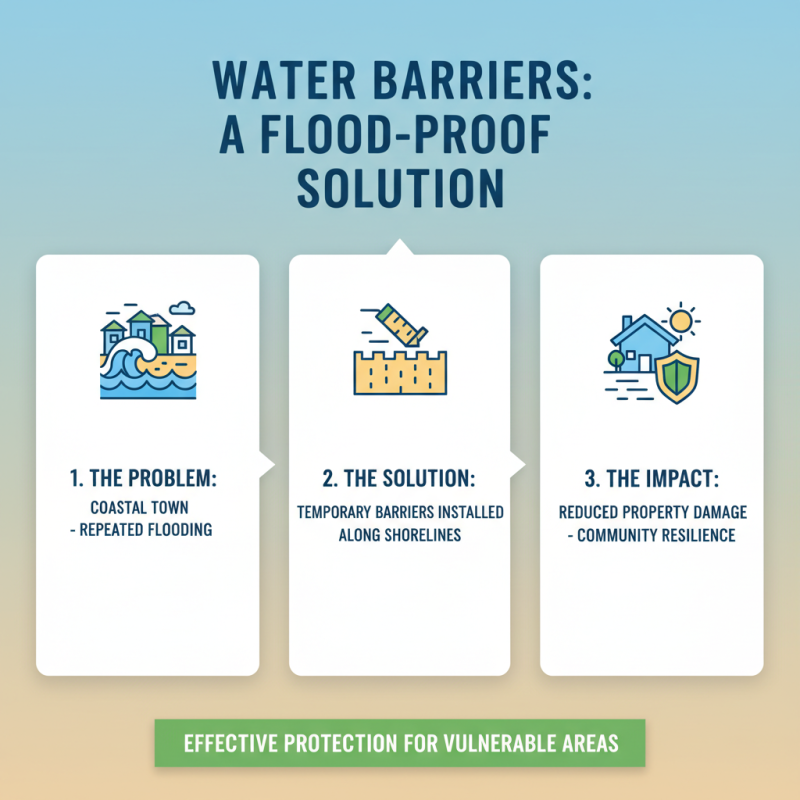
In various flood-prone areas, communities are turning to water barriers for effective solutions. Take, for instance, a small coastal town that faced repeated flooding each year. After several damaging storms, local officials decided to install temporary barriers along vulnerable shorelines. These barriers held up surprisingly well during the next flood event, significantly reducing property damage.

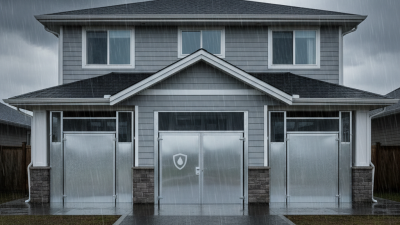
Another case involves an urban neighborhood notorious for street flooding. Residents came together to implement a series of permanent water barriers around key intersections. Despite some initial skepticism regarding their effectiveness, the results spoke for themselves. The neighborhood experienced a noteworthy decrease in flooding incidents during heavy rains. However, some barriers were not as easy to maintain as anticipated. Regular inspections and adjustments became necessary to ensure optimal performance.

In both scenarios, the community learned valuable lessons. They recognized that water barriers require continuous care and planning. Overreliance on technology without follow-up can lead to failures. Engaging residents in maintenance efforts has proven crucial for sustained success. Ultimately, these real-world examples highlight the importance of adaptability in flood prevention strategies.

Environmental Impact and Sustainability of Flood Protection Barriers

Flood protection barriers play a critical role in mitigating flood risks. However, concerns about their environmental impact are growing. A report from the National Oceanic and Atmospheric Administration highlights that certain materials can disrupt local ecosystems. For instance, concrete barriers often lead to increased runoff. This runoff can carry pollutants, harming water quality.

Sustainability is another crucial consideration. Many traditional barriers do not decompose, leading to long-term waste issues. Research by the Environmental Protection Agency indicates that over 10 million tons of waste from flood management systems end up in landfills each year. Biodegradable alternatives are worth exploring, although they may not yet provide the same effectiveness.

As we innovate in this field, addressing these environmental concerns is essential. Local communities must engage in conversations about the impact of flood barriers on their surroundings. It is critical to balance immediate safety solutions with sustainable practices. Inadequate planning could lead to greater challenges down the road. Taking an eco-conscious approach can lead to more resilient communities.