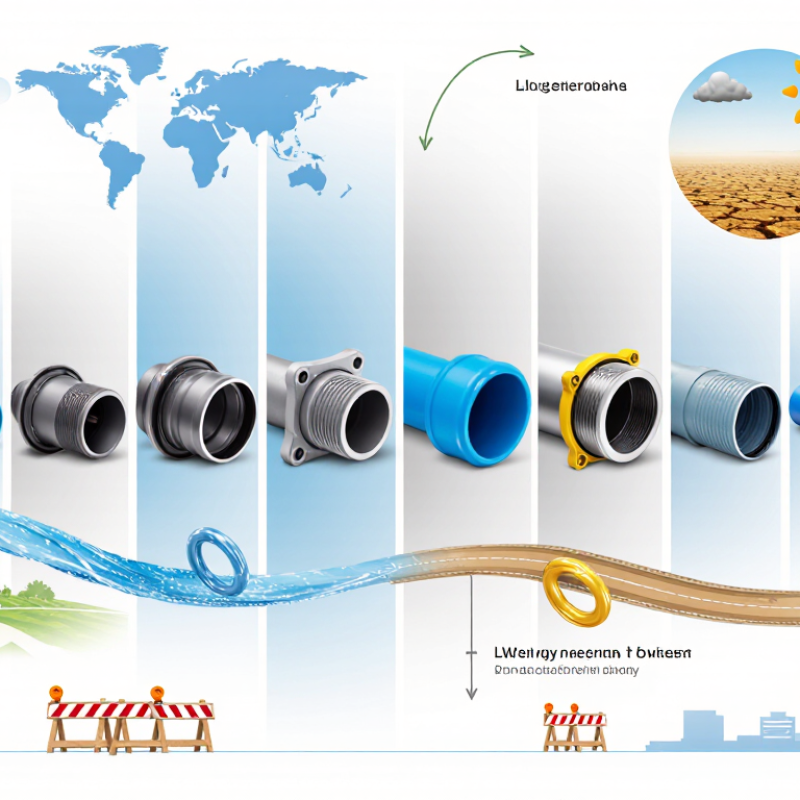
Global water management is becoming more demanding, especially where storms, construction, and seasonal flooding overlap. The UN World Water Development Report 2024 links water stress with climate volatility, urban growth, and unequal infrastructure investment. The Global Water Monitor 2024 also reported stronger swings between extreme rainfall and drought conditions across many regions.
These pressures explain the growing interest in water diversion tubes. They can redirect runoff, protect temporary work areas, support flood-response projects, and reduce erosion near roads, farms, and building sites. Yet performance depends on more than diameter or advertised flow rate. Tube material, connector strength, anchoring, UV resistance, installation surface, and emergency access all matter.
Hydrologist and water-policy expert Dr. David Sedlak has warned, “We need to rethink how we use water.” His point applies directly here. A diversion tube should guide water safely, not simply move it faster. That distinction is easy to miss.
The American Society of Civil Engineers’ 2021 Infrastructure Report Card gave U.S. stormwater infrastructure a “D” grade, highlighting aging systems and limited maintenance capacity. Similar gaps appear in other markets, although local conditions differ sharply. Our selection therefore considers practical evidence, not only laboratory claims.
Expect trade-offs. Some tubes handle high flow but resist tight bends. Others are portable but need frequent anchoring. No model fits every site. This guide compares ten water diversion tubes for global buyers, focusing on documented specifications, field usability, replacement support, and realistic operating limits. Check the details carefully. Marketing language can still hide weaknesses.
Water diversion tubes are flexible barriers that redirect water away from a work area, property, or vulnerable shoreline. Many models use reinforced fabric and fill with water, creating a heavy, low-profile wall. Others carry flowing water through a controlled channel. The exact design matters because a flood barrier and a construction bypass tube perform different jobs.
How do they work? A filled tube presses against the ground and resists shallow water flow through weight and surface friction. Installers place it across the expected flow path, seal the ends, and anchor it where soil conditions require extra support. Pumps or connected tubes can guide water toward a safe outlet. The system must account for water depth, flow speed, ground slope, and possible debris. A small gap under the tube can become a damaging channel within minutes.
In field use, I would inspect seams, valves, and anchor points before filling. The ground should be reasonably smooth, although perfect conditions are uncommon. That is where planning becomes less certain. Mud may reduce stability, while stones can abrade the fabric. Buyers should request tested dimensions, material data, operating limits, and clear installation instructions. They should also confirm local requirements for discharge and temporary water control. Regular checks are essential after heavy rain, because a tube can shift even when it looked secure earlier.
Water diversion tubes are selected by flow, pressure, ground conditions, and installation time. Smooth-wall HDPE tubes suit gravity transfer and permanent drainage because their interiors reduce friction. Corrugated HDPE tubes are lighter and more flexible. They work well beside roads, construction sites, and temporary channels. Layflat hoses support rapid dewatering and emergency bypass work. They store compactly, but sharp stones can damage them.
Perforated tubes collect groundwater beneath fields, sports areas, and foundations. A geotextile sleeve helps limit soil entry, although clogged fabric remains a common failure.
FAO AQUASTAT reports that agriculture accounts for about 70% of global freshwater withdrawals. Therefore, irrigation diversion systems need accurate sizing, reliable couplings, and easy inspection access. Oversized tubes waste money. Undersized tubes create dangerous backwater.
The WHO and UNICEF Joint Monitoring Programme reported that 2.2 billion people lacked safely managed drinking water in 2022. This figure increases pressure on efficient local water infrastructure. Buyers should check burst pressure, allowable head, UV resistance, abrasion performance, and temperature limits.
For long routes, calculate friction loss rather than trusting nominal diameter. Keep it practical. Tube performance also depends on bends, slope, and outlet protection. A technically correct tube can still fail when installation ignores sediment, anchor spacing, or seasonal flow changes.
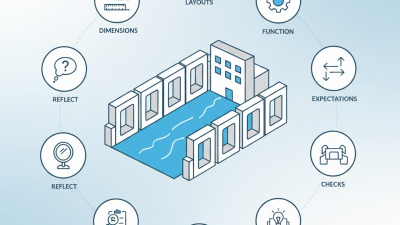
Comparing ten water diversion tubes requires more than reading flow-rate claims. I start by defining the job: redirecting roof runoff, protecting a trench, or moving water around a work area. Each use needs different diameter, flexibility, and pressure tolerance. I check inner diameter, wall thickness, bend radius, and connector size. A tube that looks generous online may narrow sharply at a fitting. That detail matters. During field checks, I run clean water through equal lengths and measure discharge into a marked container. I also inspect seepage at joints after repeated bending. Short tests reveal weak couplings quickly. Still, flow results vary with slope, temperature, and pump height, so one trial cannot prove everything.
For the ten candidates, I score performance, handling, and service life separately. Reinforced polymer tubes usually resist crushing better, while lighter tubing is easier to carry but may kink. I look for UV resistance, abrasion protection, and stated operating limits. Clear markings help workers spot blockages. Reliable documentation should identify materials, test methods, and safe connection practices. Global buyers should also compare metric fittings, storage conditions, and regional compliance records. Cheap purchase prices can hide frequent failures. I learned this after a tube split beside a gravel edge. My earlier inspection missed abrasion risk. That mistake changed my checklist: test the surface, not only the water path. Independent testing adds confidence, but vague certificates deserve questions.
Selecting among the 10 best water diversion tubes requires more than comparing prices. Global buyers should match tube diameter with expected flow, pressure, and installation length. A narrow tube may overflow during heavy rain. A wider tube can become costly and difficult to secure.
Material selection deserves close attention. Reinforced PVC, rubber, and polyethylene offer different resistance to sunlight, abrasion, temperature changes, and chemicals. Buyers should request technical data, wall thickness, burst pressure, and service-life estimates. Independent test reports improve reliability, especially when products cross climates and long shipping routes. Check connector compatibility too. A perfect tube is useless with a leaking joint.
Packaging affects real performance. Tubes folded under excessive pressure may develop permanent creases. Ask for storage instructions, inspection records, and batch identification. Confirm whether the supplier can provide consistent dimensions across repeat orders. Local drainage rules, import documents, and waste requirements also need review before payment. These details are easy to overlook. A lower unit price may hide higher freight, replacement, or labor costs. I would test a small shipment first, although this slows procurement. That caution is worthwhile when rainfall is unpredictable. Even experienced buyers can misjudge site conditions, particularly where soil movement or sudden water surges occur. Examine the installation area, measure actual flow, and record field results before selecting a long-term supply.
Choosing the right water diversion tube requires more than comparing diameter and price. Measure the expected flow, pressure, temperature, and discharge distance before ordering. A tube that looks strong may collapse around sharp bends. On site, place it on a smooth surface and remove stones, metal edges, and branches. Use compatible couplings, clamps, and seals. Leave enough slack for movement, but avoid loose loops that create trip hazards.
Installation should include a slow water test. Check every joint while the tube fills, then inspect again under full flow. Keep outlets away from workers, electrical equipment, roads, and unstable soil. Mark crossing points with visible barriers. Never stand beside a pressurized connection. Some teams rush this step. That is a costly habit. During operation, inspect abrasion, swelling, leaks, and blocked outlets each day. Clean the tube with suitable water and dry it fully before storage. Fold it loosely, not into tight creases.
International buyers should request complete specifications, material data, pressure ratings, test reports, packing details, and country-of-origin documents. Confirm whether the tube suits drinking water, wastewater, chemicals, or temporary construction use. Check the destination’s import rules and accepted safety standards before payment. Clarify currency, delivery terms, inspection rights, replacement procedures, and spare coupling availability. Samples can reveal stiffness and odor problems that photographs hide. I would still allow extra lead time; customs delays and incorrect documents remain common. A cheaper tube is not cheaper after a failed installation.
| Rank | Water Diversion Tube Type | Best Application | Typical Material | Common Diameter and Length | Typical Operating Conditions | Installation Guidance | Maintenance Requirements | Key Safety Measures | International Purchasing Checklist |
|---|---|---|---|---|---|---|---|---|---|
| 1 | Lay-Flat Discharge Hose | Temporary drainage, flood control, construction-site bypass pumping, and irrigation transfer. | PVC-coated polyester, TPU-coated fabric, or reinforced PVC. | Common inside diameters: 50–300 mm; supplied in coils commonly 10–100 m long. | Low to moderate pressure; performance depends on diameter, pump output, elevation, and hose length. | Remove sharp stones and debris, connect with correctly sized cam-lock or flanged couplings, lay the hose without tight twists, and secure the discharge end against movement. | Flush after muddy use, inspect for cuts and abrasion, dry before storage, and keep away from direct sunlight when not UV-stabilized. | Do not exceed the rated pressure. Use restraints at couplings and keep personnel away from a pressurized hose that is filling or discharging. | Confirm working and burst pressure, temperature range, UV resistance, coupling standard, coil length, pallet dimensions, and applicable customs classification. |
| 2 | Flexible Suction Hose | Dewatering pumps, tanks, wells, agricultural water transfer, and suction-side connections. | PVC or rubber tube with rigid helical reinforcement, often with embedded steel wire. | Common inside diameters: 25–200 mm; standard cut lengths often 3–10 m. | Suitable for suction and moderate discharge service; the allowable vacuum depends on wall construction and temperature. | Use a properly sized foot valve or strainer where required, keep the suction line short, prevent air leaks, and maintain a continuous upward path toward the pump where practical. | Check for collapsed sections, loose clamps, hardened material, blocked strainers, and air leakage at every connection. | Never lift a pump by the hose. Use a suction hose rated for negative pressure and prevent the strainer from becoming blocked. | Request vacuum rating, bend radius, liquid compatibility, wire-reinforcement details, fitting type, and operating-temperature data. |
| 3 | Corrugated Drainage Tube | Groundwater drainage, agricultural drainage, road-edge drainage, and land reclamation. | High-density polyethylene, usually single-wall or dual-wall construction. | Typical diameters: 75–600 mm; coils are common for smaller sizes, while larger sizes are usually supplied in straight sections. | Designed for gravity flow and buried service rather than pressurized pumping. | Prepare a stable trench, provide the specified bedding, maintain design slope, use compatible couplers, and backfill evenly to prevent deformation. | Inspect outlets and access points, remove sediment and roots when necessary, and use controlled water-jet cleaning suitable for the pipe class. | Support trench walls according to local excavation rules. Do not enter an unsupported trench or use the tube as a confined-space access route. | Verify stiffness class, perforated or non-perforated design, filter-sock requirement, ring stiffness test method, coil size, and installation standards. |
| 4 | Perforated Foundation Drain Tube | Foundation perimeter drainage, retaining-wall drainage, basement waterproofing systems, and sports-field subdrains. | Perforated HDPE or PVC, frequently used with a geotextile filter sock. | Common diameters: 100–200 mm; supplied in coils or straight lengths depending on diameter and wall stiffness. | Gravity drainage with limited head; it is not normally selected for pressurized flow. | Install perforations in the specified orientation, surround the tube with clean graded drainage aggregate, use geotextile separation where soil migration is possible, and provide a cleanout or outlet. | Keep cleanouts accessible, inspect the outlet for blockage, and flush the system when reduced drainage is observed. | Prevent trench collapse and protect the tube from concrete, sharp rubble, and heavy construction equipment before final backfilling. | Confirm perforation pattern, filter-sock opening size, pipe stiffness, coupler compatibility, aggregate requirements, and local drainage-code compliance. |
| 5 | PVC Pressure Diversion Pipe | Permanent water bypass, process-water transfer, irrigation mains, and municipal utility projects. | Rigid PVC pressure pipe with solvent-weld, gasketed, or mechanical-joint connections. | Common nominal sizes: 25–400 mm; straight lengths often 4–6 m, subject to regional supply. | Suitable for pressurized flow when the pressure class and temperature limits are correctly selected. | Cut squarely, deburr, clean and assemble joints according to the selected joint system, provide thrust restraint where needed, and pressure-test progressively. | Inspect valves and exposed joints, monitor operating pressure, protect from impact, and repair leaks using approved methods. | Use only components with compatible pressure ratings. Depressurize and isolate the line before cutting or dismantling any connection. | Compare nominal pressure class, outside diameter system, joint standard, potable-water approval if relevant, length tolerance, and shipping protection. |
| 6 | HDPE Smooth-Wall Diversion Pipe | Long-distance water transfer, river bypass systems, mining dewatering, and buried or floating temporary pipelines. | High-density polyethylene, joined by butt fusion, electrofusion, or mechanical fittings. | Typical diameters: 32–1,200 mm; available in coils for smaller diameters and long straight sections for larger diameters. | Pressure capability is determined by material grade, wall thickness, outside-diameter ratio, temperature, and joining method. | Allow for thermal movement, use approved fusion procedures, support above-ground sections, provide flotation or anchoring for water crossings, and protect against excessive bending. | Inspect fusion joints, supports, anchors, abrasion zones, and exposed sections. Check for deformation after severe weather or heavy equipment movement. | Use trained fusion operators, barricade pressurized sections, and account for stored energy during pressure testing and pipe movement. | Specify resin classification, SDR or wall thickness, pressure rating, fusion qualification, coil or stick length, UV stabilization, and regional dimensional standards. |
| 7 | Reinforced Rubber Water Hose | Heavy-duty pump discharge, industrial water transfer, dredging support, and applications requiring high flexibility. | Synthetic rubber tube with textile or wire reinforcement and an abrasion-resistant outer cover. | Common inside diameters: 25–300 mm; typical hose assemblies are 5–20 m long. | Suitable for moderate to high pressure depending on reinforcement; temperature and chemical limits vary by compound. | Use the correct hose-tail or flange assembly, avoid twisting, maintain the manufacturer’s minimum bend radius, and support heavy vertical runs independently. | Inspect cover wear, blisters, exposed reinforcement, coupling movement, and ozone cracking. Replace damaged assemblies rather than patching pressure zones. | Install whip checks or other suitable restraints where required, keep the hose away from hot surfaces, and verify compatibility with treated or contaminated water. | Request working-pressure and burst-pressure data, bend radius, abrasion rating, cover compound, assembly method, test certificates, and end-fitting details. |
| 8 | Submersible Pump Discharge Tube | Emergency basement drainage, tank emptying, stormwater removal, and confined dewatering operations. | Flexible PVC, TPU-coated fabric, or lightweight reinforced elastomer. | Common diameters: 25–150 mm; supplied in compact coils or lengths of approximately 10–50 m. | Usually selected for low to moderate pump discharge pressure and frequent temporary deployment. | Match the tube diameter to the pump outlet, secure the connection with a proper clamp, route the discharge away from excavations, and avoid sharp bends near the pump. | Rinse after dirty-water service, remove trapped sediment, inspect the first meter near the pump, and store clean and dry. | Use electrical protection appropriate for wet locations, keep discharge water away from electrical equipment, and prevent the hose from blocking walkways. | Check pump compatibility, pressure rating, coupling size, kink resistance, temperature range, coil weight, and packaging suitable for international transport. |
| 9 | Floating Water Diversion Pipeline | Reservoir works, dredging, aquaculture, temporary river diversion, and surface-water transfer. | HDPE pipe or flexible reinforced hose with floats, collars, or integrated buoyancy elements. | Typical diameters: 100–600 mm; section lengths commonly 6–12 m for rigid floating systems. | Designed for surface installation; hydraulic and structural performance depends on current, wind, wave action, and flow velocity. | Plan the route using water-level and current data, install anchors and expansion allowances, connect sections before launching when practical, and maintain safe clearance from navigation routes. | Inspect floats, anchors, couplings, abrasion points, and freeboard. Remove debris accumulation and check alignment after storms or changing water levels. | Use visible markers and navigation lights where required, provide emergency release procedures, and keep workers clear of tensioned anchor lines. | Confirm buoyancy reserve, wave and current design limits, anchor hardware, corrosion resistance, connection system, transport dimensions, and local waterway permits. |
| 10 | Fire-Resistant or Chemical-Resistant Transfer Hose | Industrial facilities, emergency response, contaminated-water recovery, and projects with elevated temperature or chemical exposure. | Specialized rubber, thermoplastic elastomer, PTFE-lined construction, or multilayer reinforced assemblies. | Common diameters: 25–200 mm; assembly lengths often 5–30 m. | The allowable pressure, temperature, and chemical service must be confirmed for the exact hose construction. | Use compatible gaskets and fittings, prevent contact with incompatible chemicals, support the assembly, and perform a controlled leak test before operation. | Maintain inspection records, check lining and cover condition, remove contaminated residue safely, and replace hoses at the specified service interval. | Use the appropriate chemical-resistant gloves, eye protection, ventilation, spill controls, and isolation procedures. Never rely on appearance alone to confirm compatibility. | Provide the exact fluid composition, concentration, temperature, pressure, regulatory requirements, certificates, traceability, and disposal obligations before ordering. |

Please enter the details to download, thank you
Get in Touch With Us
Please enter the details to download, thank you