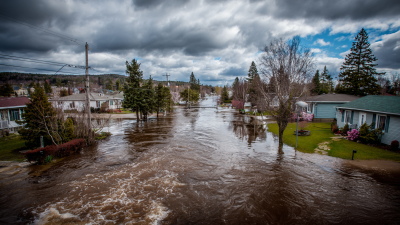
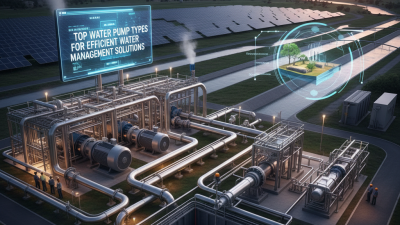
Flooding can cause immense damage to homes and infrastructure. An effective solution is finding the right water pump for flooding. The market is filled with options, making the selection daunting for global buyers. A reliable water pump can minimize the impact of floods, but not all pumps are created equal. Choosing the best pump involves understanding various factors.
Experience and expertise are essential when navigating flood management solutions. Users need to consider capacity, durability, and portability. A top-rated water pump for flooding can save lives and property. It’s vital to research options from trusted manufacturers. Quality and price should align with each buyer's specific needs.
However, the decision process can be overwhelming. Some may fall for deceptive marketing or overlook critical details. Not every water pump will perform effectively under extreme conditions. Buyers must reflect on their choices to ensure they invest wisely. By understanding the complexities, one can find a reliable water pump that performs well in challenging situations.
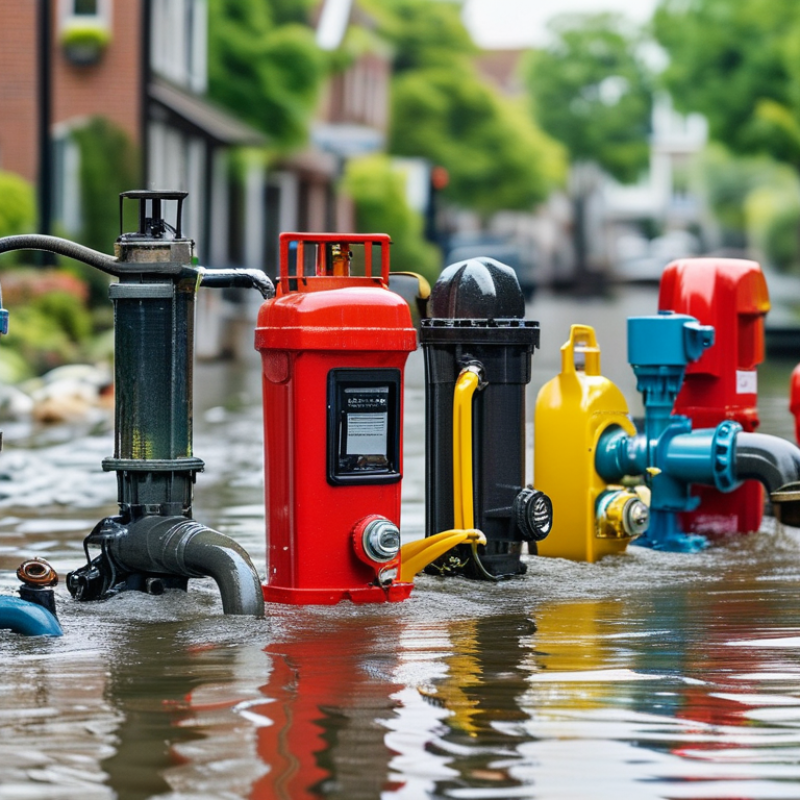
When it comes to managing flooding, choosing the right water pump is crucial. Various types exist, each serving specific needs.
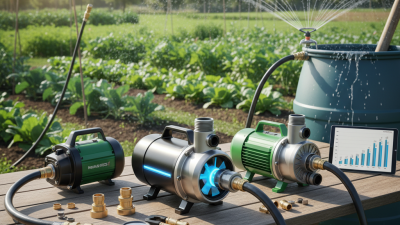
Submersible pumps are effective for deep water removal. They can handle large volumes quickly but may require maintenance. Their design allows for easy placement in flooded areas.
Another option is portable pumps. These are versatile and can be used in different settings. They're ideal for homeowners facing seasonal floods. While they may not pump as fast as submersible models, their mobility offers significant advantages. Users often find them easier to set up and operate.
In addition, utility pumps provide a reliable solution for draining water from basements or flooded yards. They are usually less powerful but transform small disaster areas into manageable spaces. However, one must regularly check and maintain these pumps to prevent failures in critical moments. Each type has its unique benefits and limitations, requiring buyers to carefully consider their specific needs.
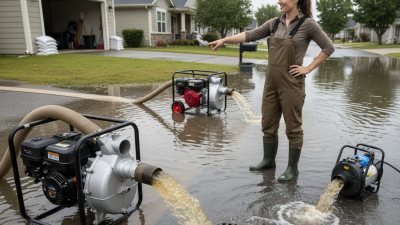
When selecting a flood pump, several key features are essential. Consider the pump's power source. Electric pumps are common, but gas-powered options offer mobility. Look for submersible models that can operate while submerged. These are often more efficient in deep water scenarios. A portable design adds convenience, especially for emergencies.
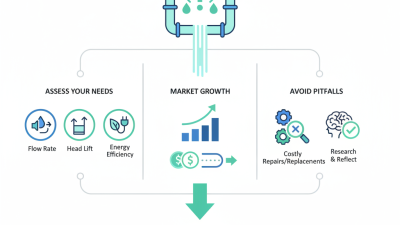
Also, assess the pump's flow rate. Higher flow rates result in quicker drainage, which can be vital during severe flooding. Check the maximum head height, as this determines how far the water can be lifted. Sturdiness and build quality matter too. Durable materials extend the pump's lifespan, especially under harsh conditions.
Don’t overlook the ease of maintenance. Simple access to pump components can save time later. A good manual helps, but complexity can create future challenges. Always consider your specific needs, as what works for one situation may not be ideal for another. Prepare for unexpected challenges when choosing the right pump.
| Pump Type | Max Flow Rate (GPM) | Max Lift Height (ft) | Power Source | Weight (lbs) | Price Range (USD) |
|---|---|---|---|---|---|
| Submersible Pump | 300 | 25 | Electric | 15 | 150 - 250 |
| Trash Pump | 200 | 30 | Gasoline | 50 | 300 - 450 |
| Clean Water Pump | 400 | 20 | Electric | 25 | 200 - 350 |
| Diaphragm Pump | 150 | 15 | Electric | 20 | 100 - 200 |
When exploring water pumps for flood solutions, understanding performance metrics and efficiency ratings is crucial. Efficiency ratings help assess how well a pump performs under various conditions. A high-efficiency rating usually correlates with lower energy consumption, which can conserve resources during prolonged flooding situations.
Performance metrics include flow rate, head height, and durability. High flow rates indicate how much water a pump can move in a specific time. For emergency situations, this is vital. The head height tells you how far water can be lifted, directly affecting its effectiveness. Durability is important too. Pumps must withstand tough environments over time, but many can struggle with maintenance.
Buyers should consider these factors carefully. Some pumps may excel in one area but fall short in another. This trade-off requires thoughtful evaluation. Choosing the right pump isn't always straightforward. It involves balancing efficiency with performance and cost. A well-rounded pump might seem ideal, but it may not always be available. Reflecting on these aspects can lead to better choices.
When addressing flooding challenges, selecting the right water pump is crucial. Various models exist, and each has unique features tailored to specific needs. A submersible pump excels in deep water, handling large volumes efficiently. In contrast, a utility pump can manage lighter loads and is more portable. Analyzing these options can help buyers make informed decisions.
Power and efficiency are key factors. Some systems are designed for long-term use, while others are suitable for emergency situations. Energy consumption varies significantly across models. Understanding these aspects is essential. Some pumps may require frequent maintenance, which can be a drawback. Buyers should weigh the cost against the performance and durability of each model.
Reliability is vital. Reading reviews and expert analyses can help potential buyers determine which pumps perform best under pressure. However, not all details in reviews may capture real-world challenges. Actual experiences may vary, highlighting the importance of personal research. Ultimately, navigating the available options requires careful consideration of both features and user feedback.
Flood recovery operations heavily rely on effective water pumps. Case studies reveal how these pumps play a crucial role in restoring communities.
During a recent flood in a coastal town, teams deployed portable pumps to remove water from critical areas. Within hours, local businesses reopened, and residents returned to their homes. The impact was profound.
In another case, an inland region faced unprecedented rainfall. The local government quickly mobilized resources. High-capacity pumps were stationed in flood-prone zones. This swift action minimized property damage and ensured emergency services remained operational. However, not every deployment was perfect. Some pumps struggled under the pressure, highlighting the need for better training and resource management.
Lessons learned from these operations show the importance of preparedness. Communities must assess their needs before disaster strikes. Reliable water pumps can make a difference, but systems must be in place to support them. Reflecting on past experiences, we see that success requires collaboration and ongoing education. The goal is not just to respond but to build resilience against future flooding.
Please enter the details to download, thank you
Get in Touch With Us
Please enter the details to download, thank you