Top Flood Prevention Products from China for Global Buyers?

Flooding poses significant risks to communities globally. In recent years, the demand for effective flood prevention products has surged. According to a report by the global market research firm MarketsandMarkets, the flood prevention products market is projected to reach $5.2 billion by 2026, growing at a CAGR of 5.4%. This underscores the critical need for innovative solutions to combat water-related disasters.

Experts in the field stress the importance of investing in reliable flood prevention measures. Dr. Jane Liu, a renowned environmental engineer, once stated, "Without proactive flood prevention products, communities remain vulnerable to severe water damage." Her insight reflects a growing consensus among industry professionals that the right products can significantly reduce flood risks.

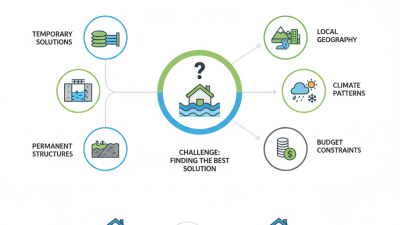
Chinese manufacturers are at the forefront of this market, offering a variety of advanced options. These include highly durable barriers, innovative drainage systems, and cost-effective portable solutions. Global buyers should consider these products not only for their features but also for their long-term performance. However, selecting the right solutions requires careful evaluation of both effectiveness and adaptability to local conditions. This awareness is crucial as missteps can lead to inadequate protection, ultimately leaving communities exposed to flooding risks.
Top Flood Prevention Products from China for Global Buyers?

Top Flood Prevention Technologies: An Overview of Chinese Innovations

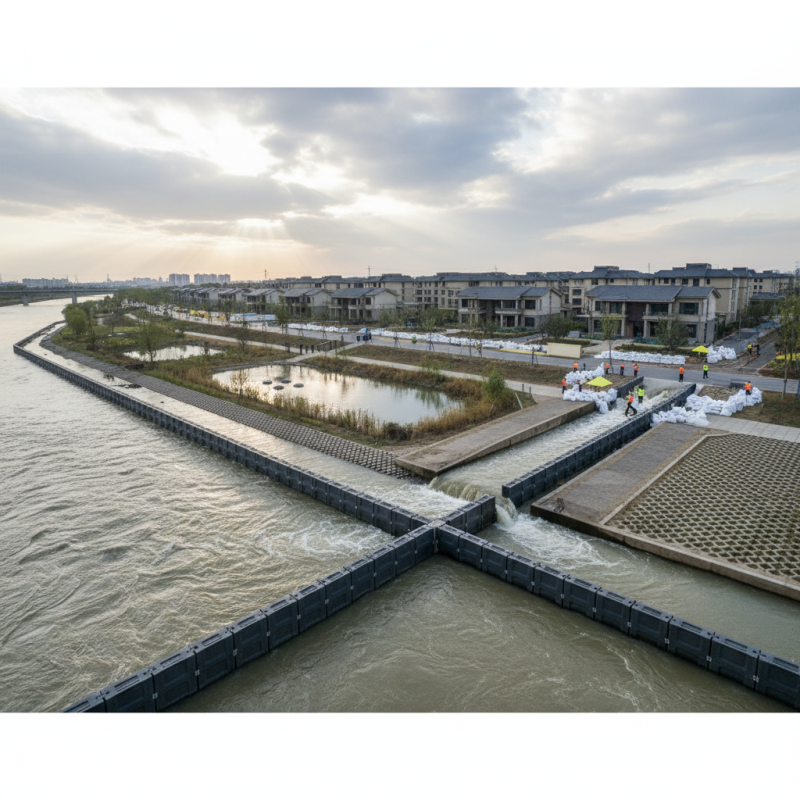
China has emerged as a leader in innovative flood prevention technologies. These advancements are aimed at offering effective solutions for global markets. Key technologies include advanced drainage systems, flood barriers, and early warning systems. Each of these elements plays a crucial role in minimizing flood damage.

One interesting development is the use of smart sensors. These sensors monitor water levels and provide real-time data. They assist cities in making timely decisions. Integrating these sensors into urban planning enhances community resilience to flooding.

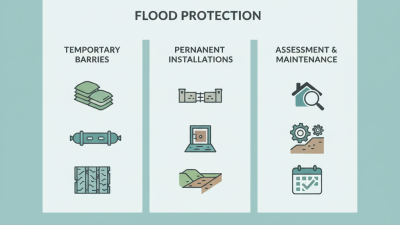
Tips for implementing these technologies effectively: Start with a thorough risk assessment. Understanding local flood patterns is essential. Engage community members to create awareness. Training local teams can improve response efforts. Regularly review and update systems. Continuous improvement is vital for long-term success. Chinese innovations in flood prevention reflect a commitment to sustainability. However, careful consideration of local contexts is necessary. Adapting solutions to meet specific needs leads to better outcomes.

Top Flood Prevention Products from China for Global Buyers

Product Category Technology Type Key Features Application Environmental Impact
Flood Barriers Inflatable Easy to deploy, portable Urban areas, construction sites Low noise, reusable
Water Pumps Submersible High capacity, energy-efficient Residential and commercial Minimal environmental disruption
Flood Sensors Smart Technology Real-time alerts, mobile integration Homeowner, municipal use Promotes proactive measures
Dikes and Levees Reinforced Earthen Structures Durable, effective containment Rural and urban floodplains Long-lasting, low maintenance
Water Diversion Systems Drainage Channels Efficient water rerouting Agricultural areas, flood zones Sustainable water management

Market Demand for Flood Prevention Products Globally: Key Statistics

Flooding poses a significant threat to communities worldwide. Recent statistics show a growing global demand for effective flood prevention products. Countries often face devastating consequences when floods occur. As climate change accelerates, the need for innovative solutions becomes more critical.

Emerging markets are expanding their investments in flood prevention. Recent reports suggest an annual growth rate of over 5% in this sector. The increasing frequency of extreme weather events drives urgency. Countries in Asia, Europe, and North America seek advanced technologies. These innovations include barriers, drainage systems, and early warning systems. All aim to minimize flood damage and improve safety.

Challenges remain, however, in finding reliable products that meet local needs. Buyers need to navigate differing regulations and performance standards. Research indicates that not all flood prevention products perform as advertised. There’s a need for transparency and thorough testing. Collaborations between governments and manufacturers can enhance reliability. Sharing knowledge can lead to better strategies against flooding.

Leading Chinese Manufacturers: Market Share and Product Offerings

China is a major player in the flood prevention system market. According to a recent industry report, China holds around 30% of the global market share for flood management products. This growth is driven by a combination of advanced technology and innovative design. Many manufacturers focus on creating sustainable and effective solutions to combat flooding.

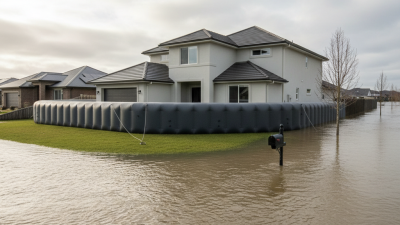
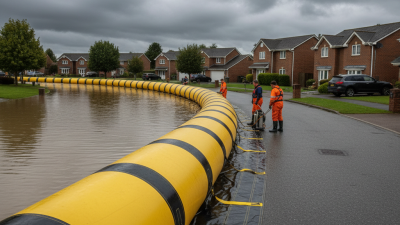
The offerings range from innovative flood barriers to advanced water pumps. Notable products include inflatable barriers and modular flood walls, which are easy to deploy. Market research shows that the demand for such products is increasing, particularly in regions prone to natural disasters. A notable study predicts a compound annual growth rate (CAGR) of 5.5% in this sector over the next five years.

However, challenges still exist in terms of quality control and supply chain reliability. While many products are innovative, inconsistencies can arise in manufacturing standards. This has raised concerns for global buyers about product dependability. Collaborating with reliable manufacturers is crucial for mitigating these risks and ensuring effective flood prevention solutions.

Innovative Flood Control Solutions: Case Studies from Major Chinese Brands

Flooding poses significant risks globally. Innovative solutions from China have emerged to address these challenges. A recent report by the World Bank illustrates that flooding causes economic losses exceeding $90 billion annually. Chinese companies are leading in developing effective flood control systems.

For instance, modular barriers and automatic flood gates are practical solutions. They can be deployed quickly to safeguard critical infrastructure. One case study highlighted the integration of smart technology in these systems. Sensors and real-time data help optimize flood response. The ability to adapt to varying conditions is a game-changer in flood management.

Tips: Regularly review maintenance schedules for flood prevention systems. This ensures they remain functional when needed most. Evaluate the local climate conditions to choose the best solutions. Not all products are equally effective in different environments. It’s essential to be cautious about relying on any single technology. Multiple strategies enhance overall flood resilience and security.

Top Flood Prevention Products from China for Global Buyers

This chart illustrates the effectiveness of various innovative flood control solutions supplied by major Chinese manufacturers. The data reflects estimated performance metrics across different product categories.

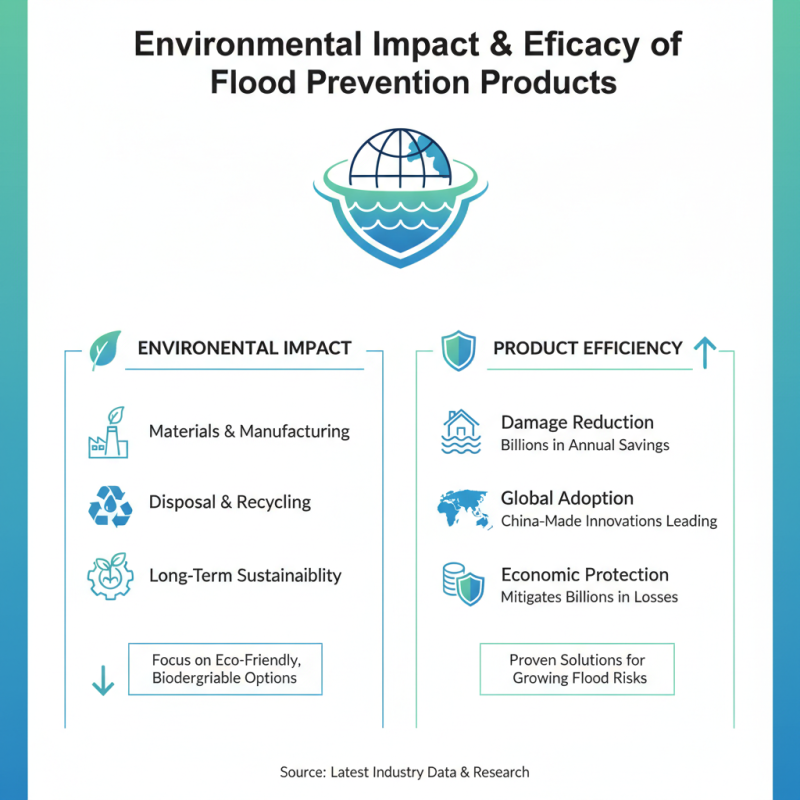
Environmental Impact and Efficacy of Flood Prevention Products

Top Flood Prevention Products from China for Global Buyers?

Flood prevention products are gaining traction globally, particularly those emerging from China. The environmental impact of these products is crucial for both manufacturers and consumers. Recent data shows that flood-related damages cost economies billions annually, compelling stakeholders to seek effective solutions.

Many flood prevention products incorporate eco-friendly materials. For instance, synthetic barriers made from recycled plastics significantly reduce the carbon footprint. A study suggests that using such materials can lower overall emissions by up to 30%. However, not all products deliver the promised efficacy. Some barriers fail to withstand extreme conditions, leading to a false sense of security. This gap highlights the need for rigorous testing and evaluation.

In terms of effectiveness, hydrodynamic barriers have shown considerable promise. A comprehensive review indicates that these barriers can reduce flood impact by up to 70% in targeted areas. Yet, there are concerns regarding local ecosystems. Installing barriers can disrupt habitats, leading to unforeseen ecological consequences. It is vital for manufacturers to consider these factors in design and production. Balancing efficacy with environmental responsibility remains a challenge in the industry.