How to Choose the Best Flood Barrier for Your Home Safety

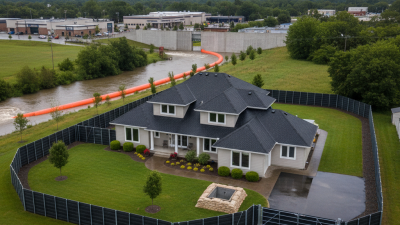
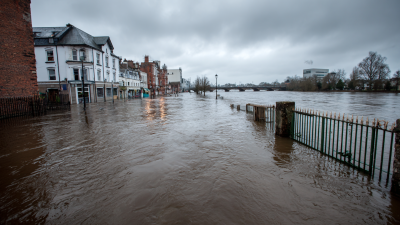
When it comes to safeguarding your home from the devastating effects of flooding, choosing the right flood barrier for home can make all the difference. In a world increasingly susceptible to climate change and erratic weather patterns, homeowners are faced with the crucial task of protecting their properties from potential water damage. According to renowned flood protection expert Dr. Jane Thompson, "Selecting the appropriate flood barrier for home use is essential not only to mitigate the impact of floods but also to provide peace of mind during storm season."

Understanding the various options available in flood barriers can be daunting. From temporary barriers to permanent installations, the choices are abundant, and each type comes with its unique benefits and considerations. Evaluating your specific needs based on factors such as the geography of your location, the history of flooding in your area, and the severity of weather patterns is crucial in making an informed decision.

Ultimately, the right flood barrier for home is not just a purchase; it is an investment in the safety and longevity of your property. With expert advice and careful consideration, homeowners can take proactive steps to protect their homes and loved ones from the unpredictable nature of floods.

How to Choose the Best Flood Barrier for Your Home Safety

Understanding Different Types of Flood Barriers Available for Home Use

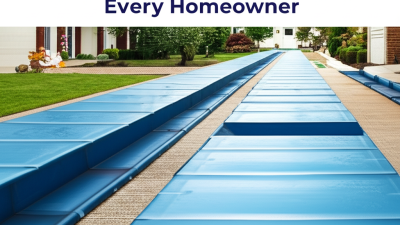
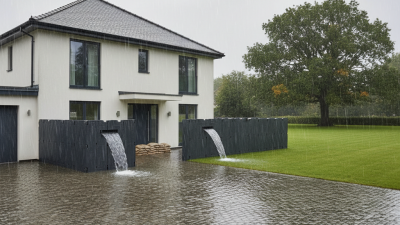
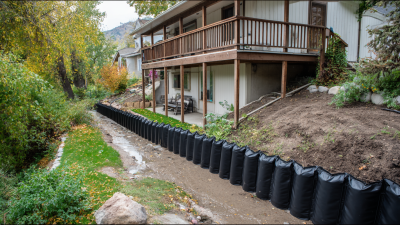
When selecting a flood barrier for home use, understanding the various types available can significantly impact your decision. Flood barriers generally fall into three main categories: temporary, permanent, and demountable systems. Temporary barriers, like sandbags and inflatable dams, are designed for quick deployment and can be an effective short-term solution. A report from the National Flood Insurance Program indicates that over 90% of homeowners affected by flooding in the last decade used temporary barriers, showcasing their popularity during emergencies.

Permanent barriers, on the other hand, are constructed as a permanent fixture to protect properties from floodwaters. These may include levees, flood walls, and berms, designed to withstand significant water levels. According to a study by the Federal Emergency Management Agency (FEMA), homes with permanent flood protection systems have a much lower risk of flood damage, reducing potential repairs by up to 80%. Lastly, demountable systems offer a blend of both temporary and permanent options, allowing flexibility based on varying flood risks.

When choosing the right flood barrier, consider factors such as the flood risk in your area, your home’s specific vulnerabilities, and the barrier's ease of installation and maintenance. The insurance industry emphasizes that understanding your local flood history can provide valuable insight into the type of barrier that will be most effective for your home, ensuring optimal safety and peace of mind.
Assessing Your Home's Vulnerability to Flood Risks

Assessing your home's vulnerability to flood risks is a crucial step in choosing the best flood barrier. Start by identifying the flood zones in your area and understanding the historical flood data. Gather information about previous flood events, including their frequency and severity, as this can provide valuable insights into potential future risks. Consider factors such as the elevation of your property, proximity to water bodies, and drainage systems that may impact floodwater retention.

Next, examine the structural integrity of your home and its surroundings. Look for any areas where water might accumulate, such as low-lying landscapes or pooling around the foundation. It’s also essential to check if your home has adequate drainage and where water flows during heavy rain. By evaluating these elements, you can pinpoint vulnerable areas that may require more protective measures. This understanding will help you make informed decisions when selecting flood barriers that align with your specific needs and risks.

How to Choose the Best Flood Barrier for Your Home Safety

Criteria Description Recommended Type
Home Location Proximity to rivers, lakes, or coastal areas. Portable Flood Barriers
Local Climate Frequency of heavy rainfall and storm surges. Inflatable Flood Barriers
Home Design Structure type, foundation depth, and water entry points. Permanent Flood Gates
Budget Cost of installation and maintenance. DIY Barrier Kits
Ease of Use Setup and dismantling process. Quick Deploy Barriers

Factors to Consider When Choosing a Flood Barrier

How to Choose the Best Flood Barrier for Your Home Safety

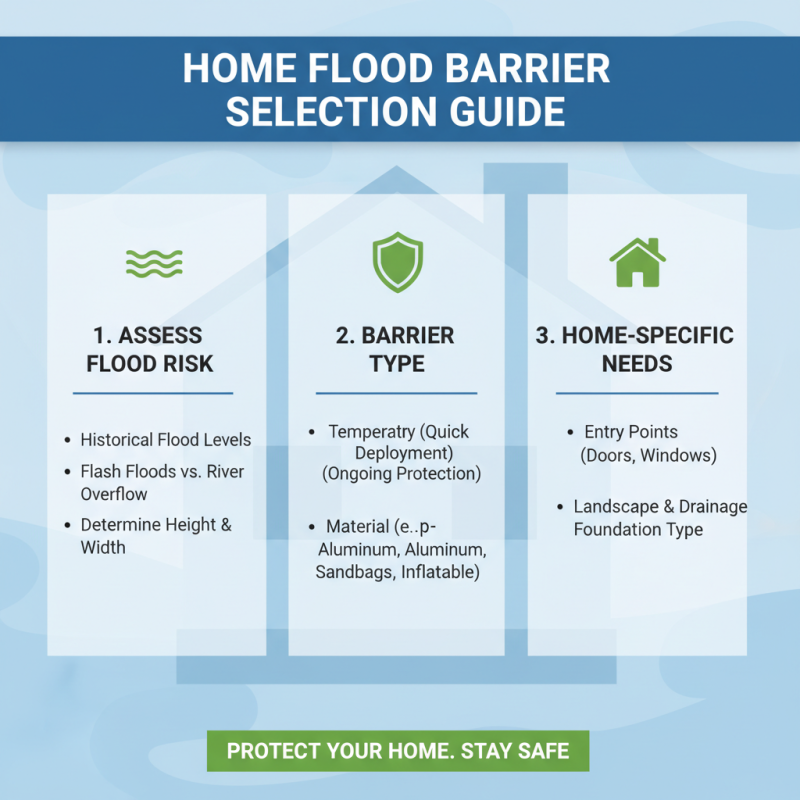
When choosing a flood barrier for your home safety, several key factors should be taken into consideration to ensure effective protection. First, assess the area prone to flooding, including the historical data on flood levels and the type of flood risks (such as flash floods or river overflow). Understanding the specific threats your home faces will help you determine the height, width, and material of the barrier that will best suit your needs. Options range from temporary barriers, which can be deployed quickly, to permanent solutions that provide ongoing protection.

Another critical factor is the ease of installation and maintenance. Some flood barriers require professional installation while others are designed for quick setup by homeowners. Consider whether you want a barrier that can be easily stored and deployed during emergency situations or one that remains in place year-round. Additionally, evaluate the materials used in the barrier’s construction, as durability against harsh weather conditions is paramount. Choosing materials that are resistant to corrosion and wear can significantly enhance the barrier's lifespan and effectiveness in protecting your property.

Installation and Maintenance Tips for Home Flood Barriers

When considering the installation of a flood barrier for your home, proper maintenance is essential to ensure its effectiveness during a flood event. Regular inspections should be part of your maintenance routine. Check for any signs of wear and tear, such as cracks or leaks, and ensure that the barrier remains structurally sound. It’s advisable to clean the barrier thoroughly after each heavy rain or flood event to remove any debris or mud that could compromise its integrity.

One key tip is to familiarize yourself with the manufacturer’s guidelines for specific maintenance practices. This may include lubricating moving parts or reinforcing seals. Additionally, make sure to store any detachable components in a dry, accessible location, so they are ready for use when needed. Engaging in these upkeep practices regularly will help extend the life of your flood barrier and make sure you are adequately protected when heavy rains occur.

Another important consideration is proper installation. Before installing your flood barrier, ensure you have the right tools and follow all installation instructions carefully. During installation, pay attention to securing the base and ensuring a tight fit against any entry points. For those who prefer a DIY approach, seeking advice from professionals or support groups can help guide you through the process effectively, ensuring that you can safeguard your home proactively.

Evaluating Cost vs. Effectiveness of Flood Barrier Options

How to Choose the Best Flood Barrier for Your Home Safety

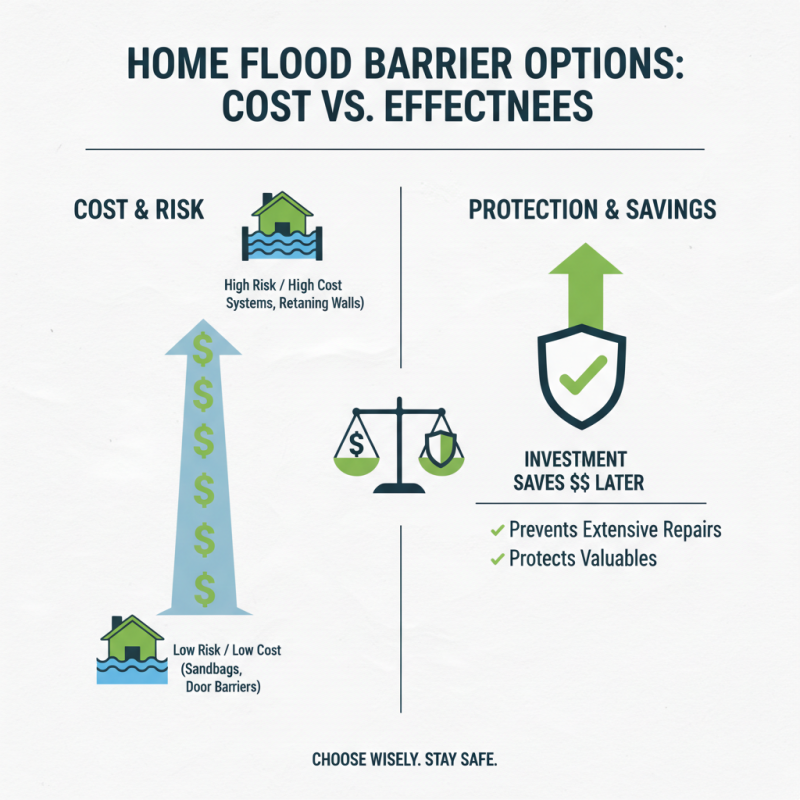
When evaluating the cost versus effectiveness of flood barrier options for home safety, it is crucial to consider the specific needs and vulnerabilities of your property. Factors such as the frequency and severity of flooding in your area, as well as the layout and elevation of your home, will significantly influence your choice. Generally, more advanced flood barrier systems offer higher levels of protection but come at a steeper price. Homeowners must weigh the potential costs against the risks of flood damage, as investing in a more effective system can save money down the line by preventing extensive repairs and losses.

Moreover, it's important to examine the installation and maintenance costs associated with different flood barriers. Some options require professional installation, which can add to the overall expense. Others might be easier to set up, providing a cost-effective solution, yet they may not offer the same level of security. Assessing the long-term effectiveness of each option, including materials used and design durability, helps in making an informed decision. Ultimately, the best flood barrier for your home should align with both your budget and your preparedness strategy, ensuring peace of mind during flood risks.