How to Choose the Best Honeycomb Activated Carbon for Your Needs?
Choosing the right honeycomb activated carbon can significantly impact your air and water purification processes. These materials are designed to remove impurities effectively. Ideal applications include industrial cleaning, residential air treatment, and even aquarium filtration. However, not all honeycomb activated carbon is created equal.
Understanding your specific needs is essential in making an informed choice. Different grades and types of honeycomb activated carbon exist, each suited for particular filtration tasks. For example, some variants are more effective for VOC removal, while others excel in odor control. Buyers should educate themselves on these differences to avoid potential pitfalls.
Furthermore, reading customer reviews and researching manufacturers adds an extra layer of confidence. Quality and performance vary widely; an uninformed decision can lead to subpar results. Explore available options carefully. Quality makes a difference, and the right honeycomb activated carbon will enhance your filtration efficiency and overall satisfaction.
Understanding Activated Carbon: Properties and Benefits
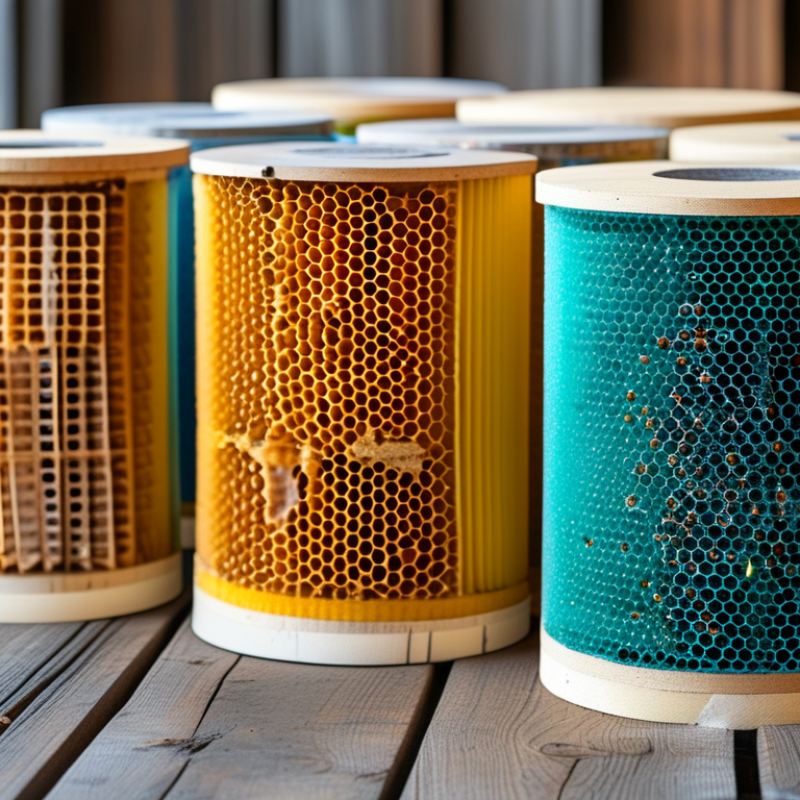
Activated carbon, particularly honeycomb activated carbon, exhibits unique properties that make it an excellent choice for various applications. Its high surface area allows it to adsorb impurities effectively. This material can capture pollutants, odors, and harmful chemicals in air and water. Its porous structure ensures maximum contact with contaminants, leading to efficient filtration.
The benefits of using honeycomb activated carbon extend beyond just filtration. It also aids in reducing volatile organic compounds (VOCs) that can affect indoor air quality. Additionally, it is often used in industrial processes to ensure safety and compliance. The lightweight nature of honeycomb structure makes it easy to handle and integrate into systems. However, the effectiveness can diminish over time, necessitating regular replacements or reactivation.
Choosing the right honeycomb activated carbon involves understanding your specific needs. Consider the types of contaminants you face. Not all activated carbon is created equal; different grades serve different functions. Users often find themselves reflecting on previous choices after noticing the performance drop. Evaluating your experiences will lead to better decision-making in future purchases.
Activated Carbon Properties and Benefits
Different Types of Honeycomb Activated Carbon and Their Applications
When selecting honeycomb activated carbon, understanding its types and applications is crucial. Honeycomb activated carbon is primarily categorized into three types: physical, chemical, and biological treatments. Each type serves different purposes and industries.
Physical honeycomb activated carbon is widely used in air and water filtration. It efficiently adsorbs gases, odors, and volatile organic compounds (VOCs). A study by the American Society of Civil Engineers highlights that using physical carbon can reduce VOC levels in indoor settings by up to 85%.
Chemical honeycomb activated carbon, on the other hand, has been treated to enhance its absorption capabilities for specific contaminants. It is often applied in industrial settings to control air pollution.
Biological honeycomb activated carbon incorporates microorganisms to further purify air or water. This type is particularly effective in wastewater treatment, helping to break down organic matter. Research from the Environmental Protection Agency indicates a 40% reduction in biochemical oxygen demand (BOD) when biological activated carbon is used.
Tips: Always consider your specific needs before purchasing. Assess the contaminant types present in your environment. Choosing the wrong type can lead to less effective purification.
Pay attention to the carbon's pore structure and size. Smaller pores are better for gas adsorption, while larger pores cater to liquid applications. However, sometimes manufacturers may overclaim pore effectiveness, so it’s wise to verify specifications. Look for certifications from relevant authorities to ensure reliability.
Factors to Consider When Selecting Honeycomb Activated Carbon
When selecting honeycomb activated carbon, several factors come into play. The structure of the carbon is crucial. Honeycomb shapes offer increased surface area. More surface means better absorption capacity. Consider the size of the pores in the activated carbon. Larger pores capture bigger particles, while smaller pores target finer pollutants. Think about what you need to filter.
Quality is essential as well. Researching production methods can reveal a lot. Some methods, while cheaper, may compromise efficiency. The origin of the raw materials is another critical aspect. Poor quality sources can lead to less effective carbon. Read reviews and seek expert opinions.
Don’t overlook the application. Different setups require varying grades of carbon. Documented performance in similar uses is valuable. It’s important to consider your specific air or water quality needs. Being aware of your environment can guide your choice. Reflect on your priorities before making the final decision. Balancing cost with effectiveness is always a challenge.
How to Choose the Best Honeycomb Activated Carbon for Your Needs? - Factors to Consider When Selecting Honeycomb Activated Carbon
| Factor | Description | Importance Rating (1-5) |
| Porosity | The amount of pore space in the activated carbon, affecting absorption capacity. | 5 |
| Surface Area | Larger surface area provides more adsorption sites for contaminants. | 5 |
| Particle Size | Influences the speed and efficiency of adsorption; smaller sizes generally work faster. | 4 |
| Chemical Activation | Type of chemicals used in the activation process can affect performance for specific applications. | 4 |
| Regeneration Capability | Ability to regenerate activated carbon for reuse, important for sustainability. | 3 |
| Cost | Overall cost affects budget; evaluate performance against price. | 4 |
| Source Material | The material from which the activated carbon is made (e.g., coconut shells, wood, coal). | 3 |
Evaluating Quality and Performance Standards of Activated Carbon
When choosing honeycomb activated carbon, quality and performance are essential. Consider the source of the carbon. Reliable suppliers often provide certifications confirming their effectiveness. Knowing the origin can give insights into the quality of the product.
Perform a visual inspection before purchasing. Ensure the carbon is uniform in size and color. Irregularities might indicate lower quality. Also, check for any dust or loose particles. This can affect performance. A clean product generally suggests better filtration capability.
**Tips:**
Look for independent lab testing. These tests validate claims about adsorption capacity and efficiency. Higher quality carbon typically has a better performance rating. Consider the intended application. Different situations may require varying specifications.
Read customer reviews to gauge user experiences. Real feedback provides context missing from marketing materials. Reflect on both positive and negative comments to get a balanced view. Quality matters, but understanding the product's limitations is crucial.
Where to Buy and How to Store Honeycomb Activated Carbon
When looking for honeycomb activated carbon, knowing where to buy it is crucial. Numerous suppliers exist, ranging from online retailers to local stores. Online platforms often provide a wider selection and allow for easy price comparisons. Ensure that you choose reputable sellers. Check customer reviews to assess product quality. Local stores can be beneficial for immediate needs. Speak with staff for advice tailored to your specific circumstances.
Storing honeycomb activated carbon properly extends its lifespan and effectiveness. Keep it in a cool, dry place, away from direct sunlight. An airtight container is ideal for minimizing moisture exposure. Remember, activated carbon can absorb odors from its surroundings. So it’s best to store it separately from strong-smelling substances.
Monitor your stored carbon regularly for any changes in texture or smell. If it seems off, it may need to be replaced. Reflect on your buying habits and storage methods to ensure optimal usage and longevity.
