
Choosing the right Rotary Screw Compressor is crucial for optimal performance in various industrial applications. Reports from the International Compressor Engineering Conference show that nearly 40% of energy consumption in compressed air systems comes from ineffective compressor selection. This statistic highlights the importance of a well-informed decision.
Rotary Screw Compressors offer efficiency and reliability, making them a popular choice in many industries. However, selecting the right one requires understanding your specific needs—air pressure, flow rate, and application type. According to the Compressed Air and Gas Institute, improper compressor sizing can lead to energy waste of up to 30%.
It's not just about picking a compressor off the shelf. Factors such as maintenance costs and technology advancements also come into play. A deeper insight into brand reputation and user reviews can shed light on potential pitfalls. Ultimately, a well-chosen Rotary Screw Compressor can improve efficiency, but careful consideration is vital.
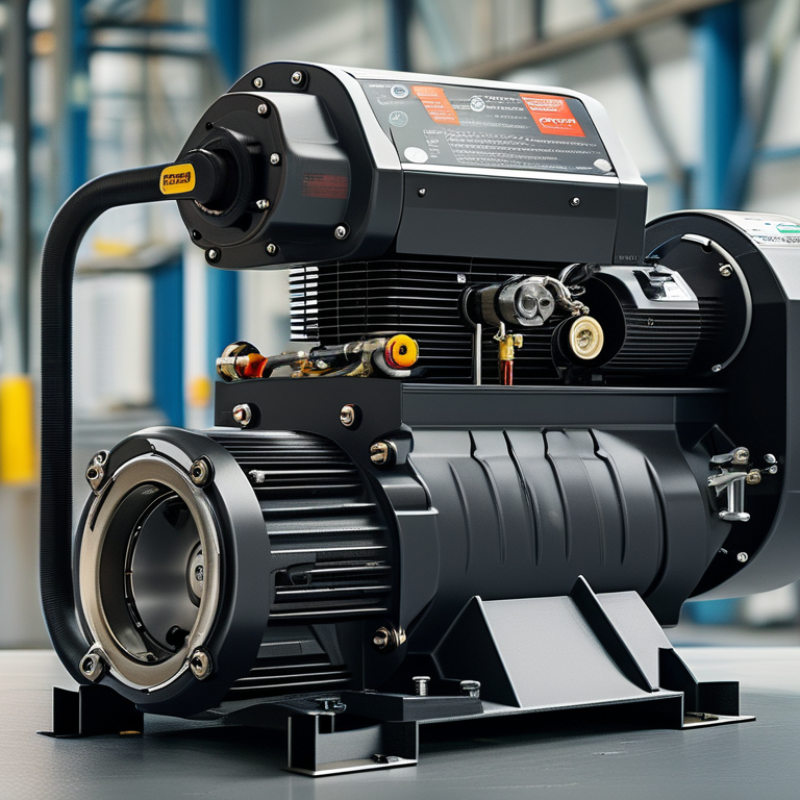
Rotary screw compressors are essential for various industrial applications. Understanding how they work is crucial for making informed choices. These compressors utilize two helical screws to compress air or gas, delivering a continuous flow of pressurized air. Efficiency is key; many models achieve 90% or higher overall efficiency. According to the Compressed Air and Gas Institute (CAGI), choosing the right size is vital. Oversized compressors can lead to excess energy consumption.
Maintenance plays a significant role in performance. Regular check-ups can prevent costly repairs and downtime. Data from the International Society of Automation shows that proper maintenance can extend the lifespan of a compressor by up to 30%. It's also essential to consider noise levels. Many models operate at around 70 dB, impacting work environments. It's often overlooked, but quieter models can create a better workplace atmosphere.
Another factor is the operating pressure required for specific applications. Standard pressures range from 100 to 175 PSI. A mismatch can lead to inefficiency. For instance, if a lower pressure is used for a high-demand application, performance declines. On the other hand, higher pressures increase energy costs unnecessarily. A careful assessment of needs can prevent such mismatches, fostering both efficiency and reliability in operations.
When choosing a rotary screw compressor, several key factors come into play. It's crucial to understand your specific air demand. Assess the required airflow, measured in CFM, to ensure the compressor can meet your operational needs. A unit that is too small will struggle, leading to inefficiency. On the other hand, an oversized compressor can waste energy and increase operational costs.
Energy efficiency is another vital consideration. Look for models that offer advanced features like variable speed drives. These systems adjust energy consumption based on real-time needs. This not only saves money but also reduces your environmental impact. Additionally, consider the compressor's overall reliability. Investigate the maintenance requirements and the availability of spare parts. A reliable machine minimizes downtime and serves you better in the long run.
Do not overlook the noise level of the compressor. This factor can significantly impact your working environment. Certain models offer quieter operation, which can be a game changer in large facilities. Lastly, remember that budget isn't just about the upfront cost. Think about long-term operating expenses. Balancing initial purchase price with efficiency will yield the best results. Always seek insights from trusted sources when evaluating options, as not all compressors are created equal.
When assessing the performance metrics of a rotary screw compressor, understanding your application is crucial. Different industries demand different efficiency levels. For instance, manufacturing facilities may need compressors that provide continuous airflow, while construction or mobile applications often prioritize portability and ease of use. According to the Compressed Air and Gas Institute (CAGI), compressors can achieve efficiency levels between 75% to 90%, depending on the configuration and load management.
Compressor performance can be quantified in several ways. The specific power, measured in kilowatts per cubic meter, is a critical metric. An ideal rotary screw compressor should have a specific power under 10 kW/m³ for optimum efficiency. The pressure range is also significant, with common operating ranges being from 100 to 220 psi. Operating outside these ranges can lead to excess energy use and wear.
It's worth reflecting on your operational needs before making a decision. Some companies overestimate required air volumes, leading to inefficiencies. Analyzing real-time usage data can provide insights into true demand and minimize unnecessary capacity. Balancing the initial investment with long-term operational costs will enhance both efficiency and reliability in your compressed air systems.
When selecting a rotary screw compressor, energy efficiency is crucial. A report from the U.S. Department of Energy indicates that compressed air systems can account for over 30% of a facility's energy costs. By choosing an efficient rotary screw compressor, businesses can significantly reduce these costs. For instance, a compressor with an efficiency rating of 85% can save up to 20% on energy compared to a less efficient model.
Operating costs extend beyond just energy consumption. Maintenance plays a vital role, with regular service reducing downtime and unexpected repairs. According to research from the Compressed Air and Gas Institute, a poorly maintained compressor can lead to energy waste of up to 30%. The return on investment often hinges on choosing a model with easy serviceability.
It's also important to consider system design. The layout of piping, fittings, and air leaks can affect efficiency. Studies show that leaks can waste 20-30% of compressed air. Evaluating these factors alongside compressor specifications ensures a well-rounded decision. Monitoring systems can provide data-driven insights into performance, allowing operators to adjust usage patterns and optimize overall efficiency.
| Model | Power (kW) | Air Flow (CFM) | Operating Pressure (PSI) | Energy Efficiency (kW/CFM) | Estimated Annual Operating Cost ($) |
|---|---|---|---|---|---|
| Model A | 15 | 70 | 100 | 0.21 | 1,500 |
| Model B | 30 | 120 | 125 | 0.25 | 2,800 |
| Model C | 45 | 150 | 150 | 0.30 | 4,200 |
| Model D | 75 | 200 | 175 | 0.35 | 6,500 |
Maintaining a rotary screw compressor is crucial for long-term performance. Regular maintenance ensures your compressor runs efficiently. Neglecting maintenance can lead to breakdowns and costly repairs. Understanding the basic maintenance tasks helps you extend the lifespan of your equipment.
Tips on maintenance include checking the oil levels regularly. Low oil levels can cause overheating and severe damage to the compressor. Additionally, air filters should be inspected frequently. Dirty filters restrict airflow and reduce efficiency. Cleaning or replacing them can improve performance significantly.
Support is also vital. Access to expert technicians can make a difference. They can perform detailed inspections and provide valuable insights into any issues. Training staff on basic troubleshooting can prevent minor problems from escalating. Consistent communication with support teams enhances the reliability of your compressor system.
Please enter the details to download, thank you
Get in Touch With Us
Please enter the details to download, thank you