Selecting the most effective flood prevention barriers for your property has become increasingly crucial as climate change leads to more frequent and severe flooding events. According to a report by the National Oceanic and Atmospheric Administration, nearly 14 million properties in the U.S. are at risk of flooding, making the right barrier choice not just prudent but essential for safeguarding investments and ensuring safety. In this context, understanding the various types of flood prevention barriers available can empower property owners to make informed decisions.
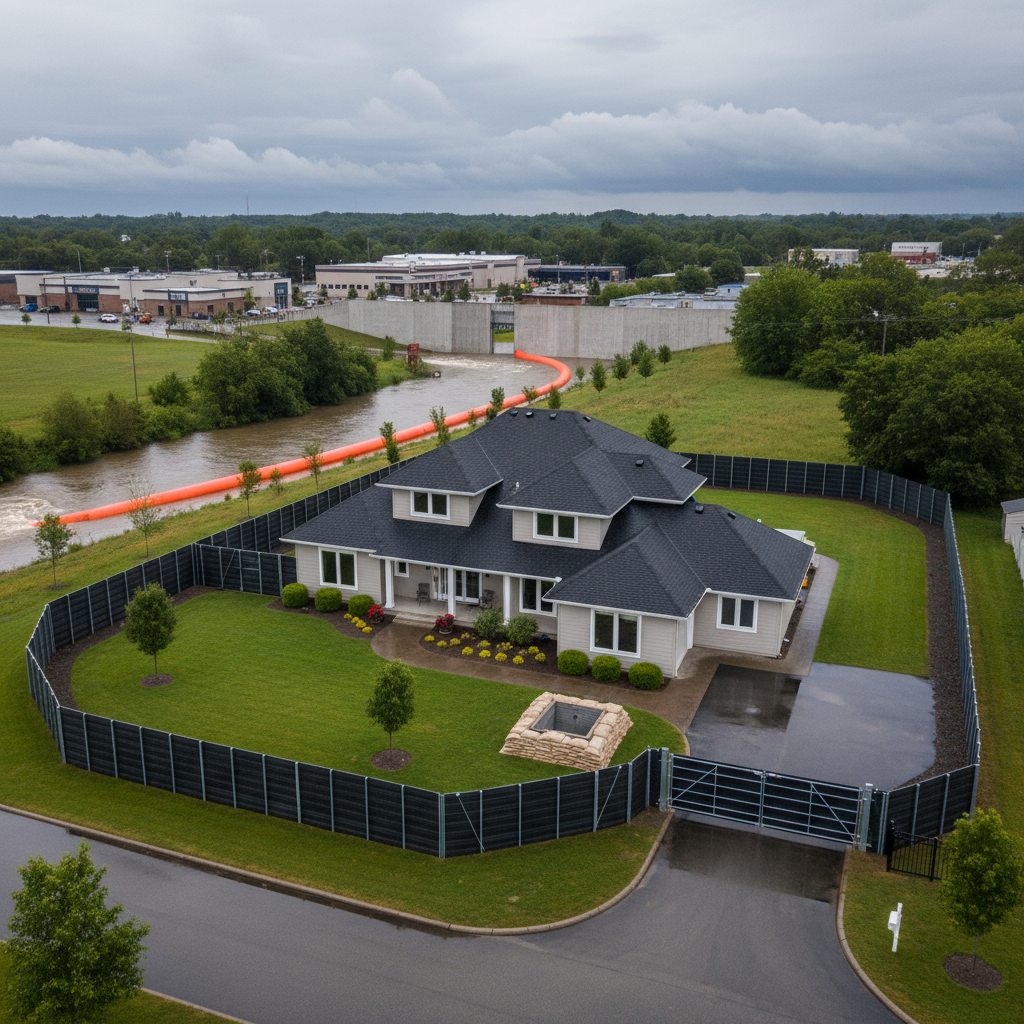
Expert in flood risk management, Dr. Emily Carter, emphasizes the importance of having a robust strategy to mitigate flood risks. She states, "Investing in high-quality flood prevention barriers not only protects property but also provides peace of mind during inclement weather." With myriad options on the market, from temporary inflatable barriers to permanent concrete installations, property owners must evaluate the unique needs of their location, potential flood threats, and budget constraints.
The following guide outlines the top five flood prevention barriers for 2025, aiming to equip you with the knowledge needed to efficiently protect your property against flooding.

When considering flood prevention barriers for your property, the first step is to identify the unique flood risks your property faces. Conducting a thorough assessment of your property’s location, topography, and previous flood events is essential. Areas that are low-lying or near bodies of water tend to be more vulnerable, while properties situated on elevated terrain may face less risk. Understanding local weather patterns and historical flood data can provide insight into potential flood scenarios that might affect your property.
Additionally, consider the types of soil and drainage systems in your area, as these factors can influence how water accumulates and flows during heavy rainfall. Assessing the proximity to flood zones or levees, as well as any changes in land use around your property, can also help to clarify possible flood risks. By taking these steps, you can make informed decisions about the most effective flood prevention barriers, ensuring they are tailored to mitigate the specific risks that could impact your property.

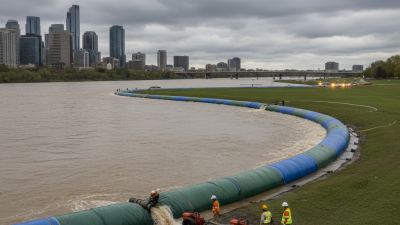
When evaluating different types of flood prevention barriers available on the market, it is essential to consider their material, design, and functionality. There are various options, including inflatable barriers, rigid barriers, and temporary flood walls. Inflatable barriers are quick to deploy and can be effective for areas prone to sudden flooding. However, their durability may be compromised during prolonged exposure to water. Rigid barriers, on the other hand, offer a more robust solution suitable for both residential and commercial properties, providing a long-term defense against floodwaters.
Another critical factor to consider is the installation process and the level of maintenance required for each type of barrier. Some systems are designed for easy, do-it-yourself setups, while others may require professional installation and ongoing upkeep. Understanding these aspects will help property owners select a solution that not only fits their immediate needs but also aligns with their long-term flood risk management strategy. As the flood barrier market is projected to grow significantly, making an informed choice will ensure effective protection for your property against future flood events.
| Barrier Type | Material | Height (Feet) | Ease of Installation | Cost (USD) | Durability (Years) | Effectiveness (Scale 1-5) |
|---|---|---|---|---|---|---|
| Portable Barriers | PVC | 3 | Easy | 200 | 5 | 4 |
| Inflatable Barriers | Nylon | 4 | Moderate | 300 | 7 | 5 |
| Sandbags | Fabric | 2 | Hard | 50 | 1 | 3 |
| Permanent Flood Walls | Concrete | 5 | Difficult | 5000 | 50 | 5 |
| Temporary Barriers | Metal | 3 | Easy | 400 | 10 | 4 |
When selecting the best flood prevention barriers for your property, several key features must be considered to ensure effectiveness and reliability. Firstly, the material of the barrier plays a crucial role. According to a report by the National Flood Insurance Program (NFIP), barriers made from reinforced concrete or high-density polyethylene (HDPE) offer superior resistance to water pressure compared to traditional sandbags, which can easily be compromised when faced with significant flooding. Additionally, durability is essential; barriers should withstand harsh weather conditions, including UV exposure and temperature fluctuations.
Another important consideration is the barrier's height and versatility. The Federal Emergency Management Agency (FEMA) states that barriers must be capable of withstanding at least a 100-year flood event, typically necessitating a height of at least 2-3 feet above the anticipated flood level. Moreover, adaptability is beneficial for property owners in regions with varying flood risks. Portable and deployable barriers, such as inflatable or panel systems, can be effective in diverse situations, providing both convenience and reassurance. By focusing on these features, property owners can make informed decisions that enhance their flood risk mitigation efforts.
This chart compares different types of flood prevention barriers based on key features such as effectiveness, cost, installation time, and material durability.
When assessing the cost-effectiveness of flood barrier options for your property, it is crucial to evaluate both initial investment and potential long-term savings. Different types of barriers can range from temporary solutions like sandbags to more permanent installations such as levees or flood walls. While the upfront costs of permanent flood barriers may be higher, their durability and lower maintenance requirements can often make them more economical over time. Property owners should consider not only the installation expenses but also the potential damages that floodwaters could incur if barriers are inadequate.
In addition to material costs, it is vital to think about the barriers' effectiveness in your specific environment. Assess local flood risk assessments and historical flood data to determine which type of barrier will offer the best protection for your property. Comparative analysis of various options should factor in the likelihood and severity of flood events in your area. By evaluating these factors holistically, property owners can make informed decisions that balance immediate financial outlay against the risks of future flood damage, ensuring their investments yield the best possible protection over time.
When investing in flood prevention barriers for your property, maintenance and durability are critical factors that can significantly affect long-term protection against flooding. According to the Federal Emergency Management Agency (FEMA), properties without proper flood defenses can incur damages exceeding $33,000 from just one flood event. Therefore, choosing barriers that can withstand environmental stresses while requiring minimal upkeep is essential for ensuring continuous protection.
To enhance the durability of your flood barriers, select materials known for their resilience and longevity, such as reinforced polyethylene or aluminum. Regular inspections, as recommended by the National Flood Insurance Program, should be conducted at least twice a year or before the storm season. This proactive approach not only helps identify wear and tear but also extends the lifespan of your barriers, potentially saving you thousands in repairs.
Tip: Invest in barriers that come with a warranty of at least five years, ensuring their effectiveness and reliability over time. Additionally, consider utilizing removable barriers for areas that may not require permanent installation, allowing for flexibility and ease of maintenance. Regular cleaning is crucial; dirt and debris buildup can compromise the functionality of your flood barriers, so keeping them clear will ensure they work when you need them most.
Please enter the details to download, thank you
Get in Touch With Us
Please enter the details to download, thank you