When selecting a large water pump, many factors come into play. Experts emphasize the importance of making an informed choice. "Choosing the right large water pump can make or break your project," says Johnathan Wells, a leading figure in water management solutions. His insight reflects the complexity involved in this process.
Large water pumps serve various purposes, from irrigation to drainage. Each application demands unique specifications. The actual needs can often be unclear. Users frequently overlook essential features like pump capacity, flow rate, and power source. Additionally, matching the pump size to the specific task is critical.
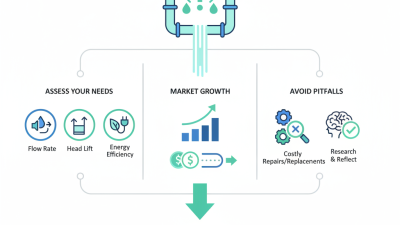
It's easy to feel overwhelmed by the options available. Many forget to consider the pump's efficiency and long-term reliability. Sometimes, cost becomes the primary factor, leading to poor decisions. Without proper research, the chosen large water pump may not perform as expected. This can result in wasted resources and time. Understanding your exact requirements is key to overcoming these pitfalls.
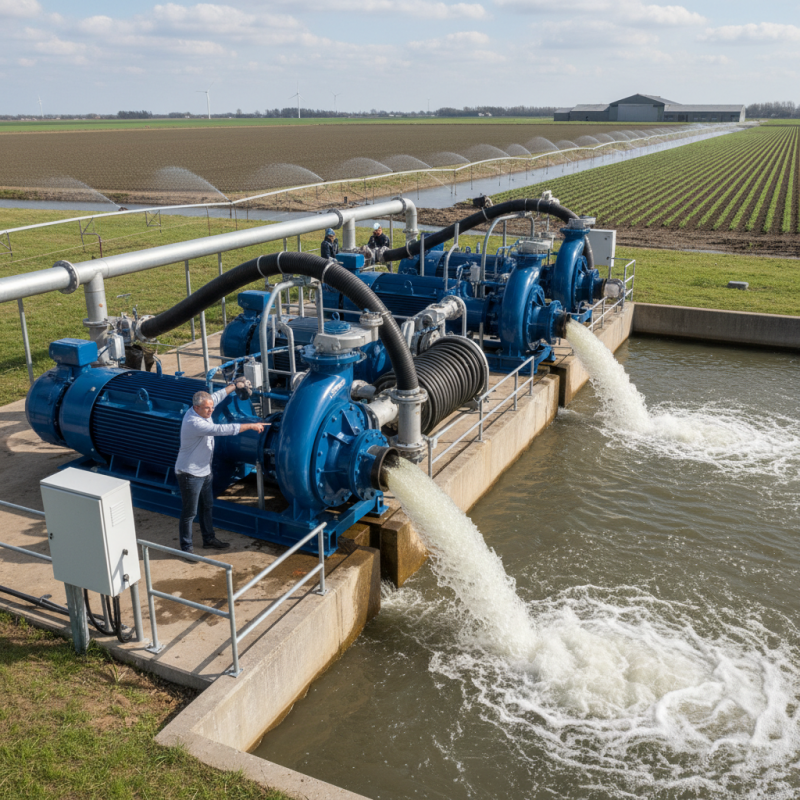
When selecting a large water pump, understanding your specific requirements is crucial. Different projects demand varied capacity and performance levels. For instance, construction sites may need pumps that can handle thousands of gallons per minute. According to industry reports, choosing the right pump can increase efficiency by over 30%.
Consider the type of water you need to pump. Is it clean water, wastewater, or something else? Each category demands a different pump design. Pumps for muddy or contaminated water often need stronger components and are typically more expensive. Remember, not all pumps handle all types of water effectively.
Tip: Always calculate the required flow rate and head height before purchasing. This will prevent underperformance and potential damage. A mismatch can lead to inefficiencies.
Another important aspect is the energy efficiency of the water pump. Reports suggest that energy-efficient pumps can save up to 40% in operation costs. Reflect on the long-term savings versus initial investment. This thoughtful approach can ultimately impact your budget in a big way.
| Pump Type | Maximum Flow Rate (GPM) | Maximum Head Height (ft) | Power Source | Typical Applications |
|---|---|---|---|---|
| Submersible Pump | 500 | 50 | Electric | Drainage, Sewage |
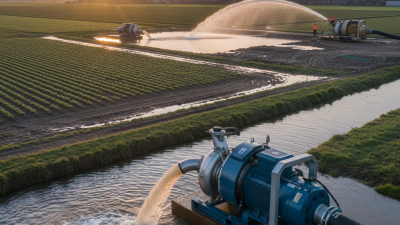
| Centrifugal Pump | 750 | 75 | Diesel | Irrigation, Water Transfer |
| Diaphragm Pump | 300 | 30 | Electric | Chemical Transfer, Food Processing |
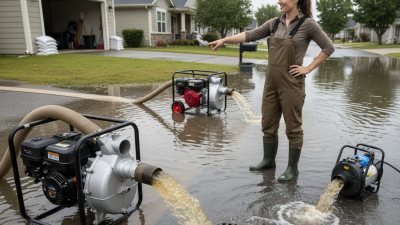
| Trash Pump | 1000 | 40 | Gasoline | Construction, Flood Removal |
| Jet Pump | 600 | 60 | Electric | Well Water, Booster |
When selecting a large water pump, understanding the types available is crucial. There are several types to consider. Submersible pumps are often used in deep wells. They operate underwater, making them efficient in moving water. However, they can be more complex to maintain.
Jet pumps are another option. They work well for shallow depths. These pumps create suction, pulling water up from the ground. They are generally easier to install but may require more frequent attention. Each type has unique benefits and drawbacks.
Consider your water source. Do you need to extract water from a well or move it from one location to another? Keep in mind the capacity requirements too. A larger capacity pump may be necessary for irrigation purposes. Remember, the right choice depends on your specific needs and conditions. It's not always a straightforward decision, and some trial and error might be involved.
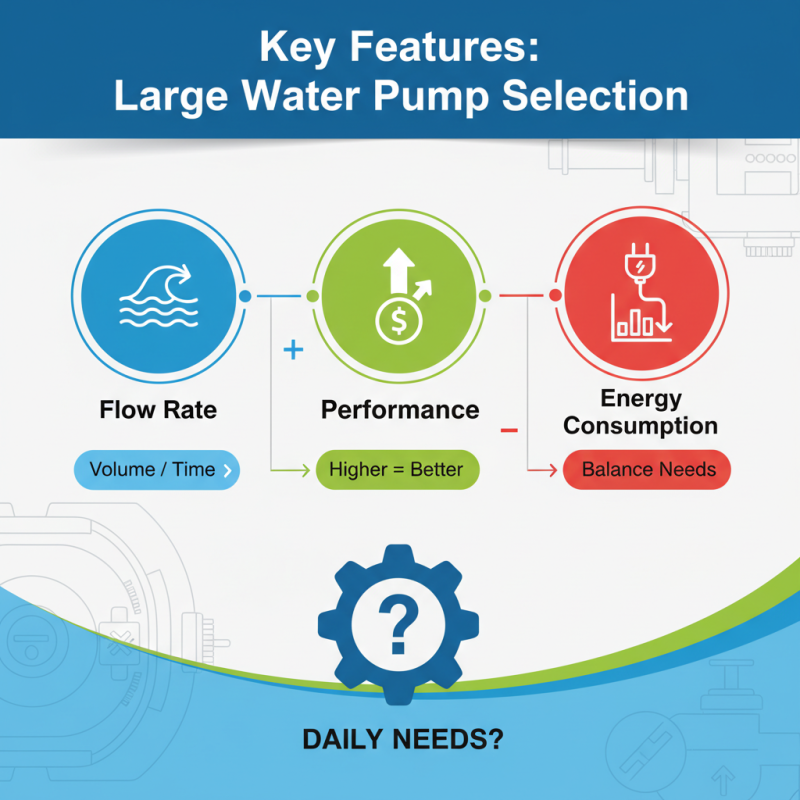
When selecting a large water pump, key features play a crucial role. You need to assess the pump's flow rate. This defines how much water the pump can move in a given time. A higher flow rate often indicates a better performance. However, it might also lead to higher energy consumption. Think about your daily needs carefully.
Consider the pump's material and durability. Pumps made from rust-resistant materials tend to last longer. Look for options that can handle various water conditions. This is especially important if you work with dirty or muddy water.
Don't forget about the power source. Electric pumps can be convenient but may not be suitable for remote locations. Fuel-powered pumps are another option, yet they require regular maintenance. Evaluate your environment and choose wisely. Think about ease of use as well. A complicated setup can lead to frustration. In the end, understanding your needs is vital. Adapt your choice based on careful consideration. Each feature impacts your pump's performance and longevity.
When evaluating a large water pump, performance and efficiency ratings are crucial. Look for pumps with high flow rates and solid pressure ratings. These metrics indicate how well a pump can operate under various conditions. According to the American Society of Engineers, a pump’s efficiency can greatly impact energy costs over time. Choosing an efficient model can save you money in the long run.
Check the pump’s horsepower. Higher horsepower usually means better performance, especially for large-scale applications. However, it’s important to find a balance; an overly powerful pump can waste energy. A study from the Department of Energy suggests that over 40% of water pumps operate inefficiently. This inefficiency leads to unnecessary energy consumption and higher bills.
Tips: Always consider the pump’s intended use. Will it be for domestic, agricultural, or industrial purposes? Each application has specific needs. Also, examine the materials used to construct the pump. Steel pumps may withstand more wear but can be heavier and more expensive.
It’s essential to reflect on the trade-offs involved. A highly efficient pump might come at a higher upfront cost. Yet, the long-term savings can outweigh initial expenses. Take time to compare specifications before making a choice. Every detail matters.
Installing a large water pump requires careful planning. Start by identifying the right location. Ensure it is near a reliable water source. Clear any debris or obstructions. Level the ground to prevent vibrations. Proper drainage around the pump is crucial as well.
Once installed, regular maintenance is key. Check the pump for any leaks or unusual noises. Clean filters often to ensure optimal performance. Inspect hoses and connections regularly for wear and tear. It's easy to overlook these steps, yet they significantly impact efficiency.
Don't hesitate to consult user manuals. Sometimes they offer insights that are overlooked. Keeping a maintenance log can also help identify recurring issues. Water pumps can fail unexpectedly without warning signs. Being proactive is essential to prolong the life of your pump.
Please enter the details to download, thank you
Get in Touch With Us
Please enter the details to download, thank you