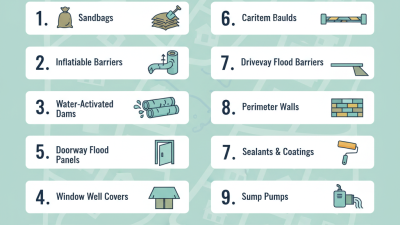
Flooding can be devastating for homeowners. Choosing the right home flood protection barriers is critical for safeguarding your property. Expert environmentalist Dr. Emily Carter states, "Effective flood barriers can be the difference between loss and recovery." This highlights the importance of informed decision-making.
Home flood protection barriers come in different types, from temporary to permanent solutions. It's vital to assess your specific needs. Not all barriers are equally effective. Some may not withstand severe flooding. Understanding local conditions is essential. You might think a particular barrier will work, but it might not be suited for your area.
While considering your options, reflect on past experiences. Many homeowners have realized too late that they chose the wrong type. It's a tough lesson, but one that can guide future decisions. Investing in high-quality, reliable barriers can save you stress and financial loss. Ultimately, the right choice empowers you to protect your home and loved ones.
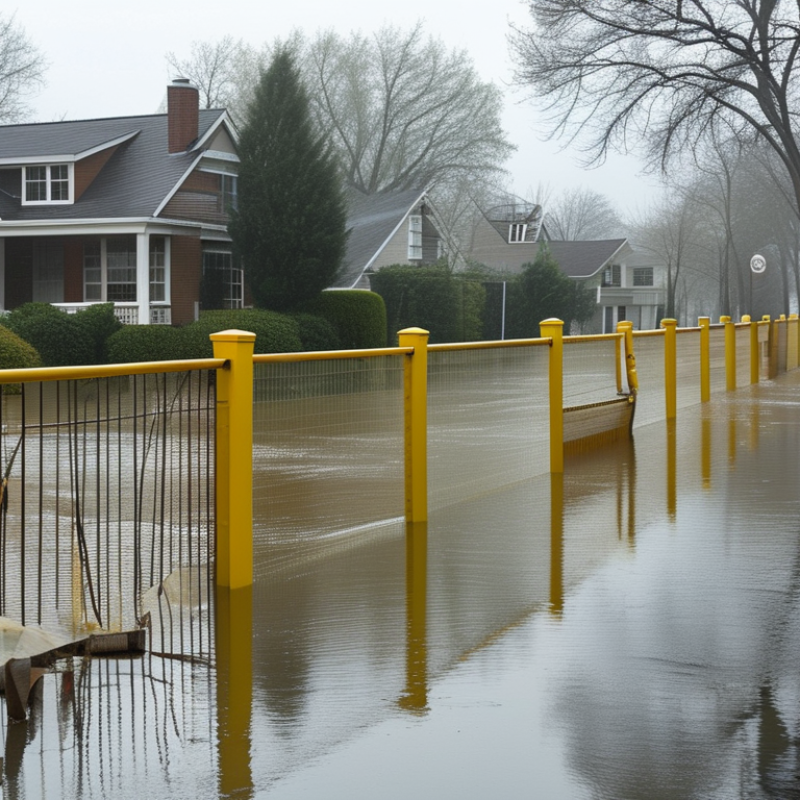
When considering home flood protection barriers, it’s crucial to understand the types available. Sandbags are a traditional choice. They are easy to obtain and can be quickly deployed. However, they can deteriorate when wet, leading to inadequate protection if not properly maintained.
Another option is inflatable dams. These barriers can adapt to different flood situations. They are lightweight and can be set up quickly. Yet, they require a reliable power source, which may not always be accessible during a flood crisis.
Permanent barriers like flood walls offer strong, durable protection. They are constructed from solid materials and can withstand significant water pressure. On the downside, they involve higher initial investment and may disrupt the natural landscape. Choosing the right barrier requires careful consideration of your home’s location, the types of floods you might encounter, and your budget.
| Barrier Type | Material | Height (inches) | Cost ($) | Ease of Installation |
|---|---|---|---|---|
| Sandbags | Jute/Cotton | 12 | 50 | Moderate |
| Temporary Flood Barriers | Aluminum/Plastic | 24 | 200 | Easy |
| Permanent Flood Walls | Concrete | 36 | 5000 | Challenging |
| Mobile Flood Barriers | Plastic | 18 | 150 | Easy |
| Flood Bags | Polypropylene | 15 | 30 | Moderate |
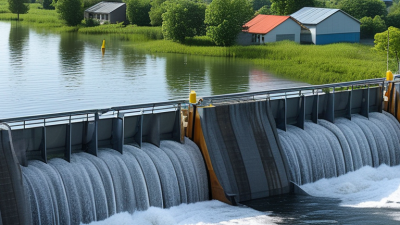
When considering flood protection barriers, the choice of materials plays a crucial role. Some barriers are made from earth, while others use plastic or metal. Each material has its strengths and weaknesses. Earth barriers may be effective but can erode under severe conditions. In contrast, metal barriers often offer greater durability but can be heavy and complicated to install.
Plastic barriers are lightweight and easy to maneuver, but they can crack in extreme temperatures. Evaluating the effectiveness of these materials requires an understanding of local flood risk. A barrier that works well in one area might fail in another. It’s essential to consider soil conditions and water flow patterns.
Testing different materials in real conditions is often necessary. Some homeowners find success with a combination of barriers. This approach could offer flexibility and enhanced protection. However, not all combinations work well, and it might take time to find the right fit. The choice of barriers should be guided by both scientific evidence and personal experience. Understanding each material’s performance under various conditions is vital for successful flood defense.
When it comes to protecting your home from floods, understanding your property's specific vulnerabilities is crucial. Research shows that nearly 15 million properties in the U.S. are at risk of flooding, yet many homeowners remain unprepared. These risks vary based on location, terrain, and home design. For instance, homes near bodies of water face different threats than those in urban areas with poor drainage systems.
Tips for assessing your vulnerabilities: Begin by reviewing local flood maps. Identify your home's elevation compared to nearby flood lines. Pay attention to historical data; some areas have seen increased flooding due to climate change. Implementing simple solutions can make a big difference. Invest in sump pumps, check for proper drainage, and seal any cracks in your foundation.
Remember that not all barriers are created equal. Homeowners often overlook their landscaping. Well-planned vegetation can serve as a natural barrier against water flow. It's vital to consider all aspects around your home. Regularly inspect your property and stay informed on community flood management plans. By doing so, you can enhance your flood defenses and protect your investment effectively.
When considering home flood protection barriers, assessing installation and maintenance requirements is crucial. The effectiveness of these barriers greatly depends on how well they are installed. The National Flood Insurance Program reports that proper installation can reduce flood damage costs by up to 25%.
Regular maintenance is equally essential. Barriers must be checked for wear and tear. If a barrier is compromised, it may not function as intended. Industry studies suggest that nearly 30% of homeowners fail to maintain their flood barriers adequately. This oversight can lead to costly repairs down the line.
Tips: Schedule annual maintenance checks. Look for any signs of rust, rot, or soil erosion around the base. Don’t ignore minor issues; they can escalate.
Fluctuating weather patterns can make maintenance challenging. Be proactive about assessing your specific home environment. It's vital to adapt your approach based on changing climate conditions. Doing so ensures that your flood barriers remain effective in the long run.
When considering flood protection for your home, budgeting plays a critical role. The average cost of installing effective flood barriers ranges from $1,000 to $3,000. However, this upfront investment can lead to significant long-term savings. According to the National Flood Insurance Program, homes without flood mitigation measures can incur damages exceeding $30,000 after a flood. This stark contrast highlights the value of preparation.
Choosing effective barriers involves understanding their lifespan and maintenance needs. Many barriers require occasional checks and maintenance to ensure optimal performance. Research indicates that well-maintained barriers can last over 10 years. A study by the Federal Emergency Management Agency shows that homes with proper flood defenses see a 90% reduction in flood-related damages. These figures emphasize that thorough budgeting should include not just initial costs, but also maintenance and potential savings.
Residents must also prepare for potential failures. In some cases, barriers may not withstand extreme weather events. This reality prompts the need for comprehensive insurance coverage. Investing in knowledge about local flood risks can further enhance decision-making. Ultimately, understanding both costs and risks helps homeowners make informed, effective choices for flood protection.
Please enter the details to download, thank you
Get in Touch With Us
Please enter the details to download, thank you