
A single Jersey machine can shape a mill’s output, fabric consistency, and operating costs. The decision deserves more than a comparison of headline speed. Textile Exchange’s Materials Market Report 2024 estimates that global fiber production reached 124 million tonnes in 2023. That scale underscores the pressure on manufacturers to use materials and production capacity carefully. But a global fiber figure cannot tell you which machine fits your mill.
Small details matter. Yarn range, gauge, diameter, feeder count, and fabric weight all affect the result. So do operator skills, maintenance access, and the availability of spare parts. A machine that performs well on a supplier’s sample may behave differently with your yarn and production schedule. Ask for a trial using your own specifications, then inspect the fabric closely. Check loop regularity, edge quality, and performance after finishing. Record the settings, too.
The seven tips ahead focus on practical checks: matching machine configuration to product plans, verifying output claims, and assessing service support. ITMF’s industry surveys provide useful context on textile manufacturers’ business conditions, but they do not establish a universal machine-buying formula. One limitation matters here: no source material was supplied for a verifiable quotation from a named single Jersey machine expert. Rather than invent a quote, this guide keeps the advice evidence-led. Let your own production data do the talking.
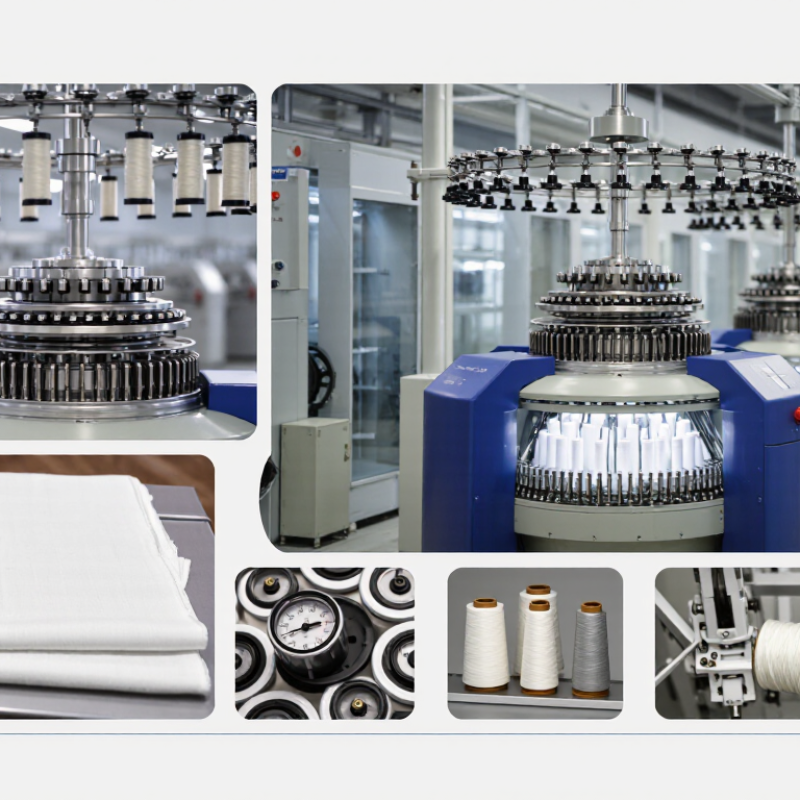
Start with the fabric, not the machine specification sheet. Record your target GSM, finished width, yarn type, and intended use. A lightweight T-shirt jersey needs different settings from a denser fabric for leggings. GSM depends on several factors, including yarn count, stitch length, machine gauge, and finishing. The machine alone cannot guarantee the target. Be specific. Also note whether you need tubular fabric or open-width fabric, since this affects how you assess usable width.
Tip: Prepare a small fabric brief before requesting machine recommendations. Include a GSM range, not just one number, and state the width after finishing. Ask for a sample knitted with your intended yarn and approximate production settings. Check it after washing or relaxation. A swatch can still surprise you.
Match the machine’s working diameter and gauge to your width and fabric plan, then verify them with a trial. Measure the fabric consistently, and clarify whether the quoted width is tubular, open, or finished. For end use, consider stretch, opacity, and surface feel alongside GSM. A soft, light sample may look right on the table but behave differently after sewing. Leave room for adjustment; early estimates are rarely perfect. Keep the trial results, settings, and measurements together so your next comparison is based on evidence.
A 30-inch cylinder has a circumference of about 94.2 inches. At 28 needles per inch, that gives roughly 2,638 needles around the cylinder, before machine-specific design differences. This pairing suits many medium-weight single-jersey fabrics, but the yarn and target loop length matter just as much. ITMF’s International Textile Machinery Shipment Statistics tracks knitting-machine deliveries by equipment class and region; it does not identify one diameter-and-gauge combination as best for every mill. Match the setup to your actual fabric orders, not a generic production target.
Feeder count affects how many knitting points work during each cylinder revolution. With 90 feeders, the machine can form many courses per turn, but usable output still depends on operating speed, stitch length, yarn quality, and downtime. More feeders do not automatically mean more saleable fabric. Check the machine’s stated maximum speed and test it with your intended yarn. Then inspect the fabric under steady lighting for barré, dropped stitches, and uneven loops. Small defects matter. One practical caution: the 28G label alone does not guarantee a particular fabric weight or hand. Request a trial roll, record its measured width and weight, and compare those results with your specification before confirming the configuration.
| Tip | Cylinder Diameter | Gauge | Typical Feeder Count | Example Application | What to Check |
|---|---|---|---|---|---|
| 1. Match diameter to the required fabric width. | 30 in | 28G | 90 | General lightweight-to-medium single jersey for apparel. | A 30-inch cylinder has a nominal circumference of about 94.2 inches before knitting and finishing. Confirm the usable finished width with a sample and the required finishing process. |
| 2. Choose gauge for the yarn and fabric fineness. | 30 in | 18G | 54 | More open, coarser jersey constructions using suitable thicker yarns. | Gauge is the number of needles per inch around the cylinder. Check yarn count, needle suitability, stitch length, and the target fabric weight together. |
| 3. Use a finer gauge when the yarn and fabric require it. | 30 in | 32G | 90–96 | Finer, lighter jersey constructions made with appropriately fine yarns. | Higher gauge means more needles per inch, but it does not by itself guarantee a finer or lighter fabric. Validate yarn compatibility and fabric specifications. |
| 4. Relate feeder count to the machine diameter. | 30 in | 28G | 90 | A common configuration with approximately three feeders per inch of cylinder diameter. | Feeder arrangements vary by machine design. Compare the actual feeder layout, yarn-change requirements, and intended production process rather than relying on a ratio alone. |
| 5. Consider a larger diameter for wider production requirements. | 34 in | 28G | 102 | Wider tubular jersey production where the fabric specification and finishing line allow it. | Confirm floor space, fabric take-down capacity, handling equipment, and finished-width requirements. A larger cylinder does not automatically produce a wider finished fabric after relaxation and finishing. |
| 6. Balance feeder count with the intended output and setup. | 24 in | 24G | 72 | Compact production of jersey fabrics on a smaller-diameter configuration. | More feeders can provide more knitting stations, but actual output also depends on machine speed, stitch length, yarn supply, fabric quality targets, and downtime. |
| 7. Verify the complete specification before purchase. | 30 in | 28G | 90 | A practical reference configuration for comparing single jersey machine options. | Request a trial using the intended yarn and fabric construction. Confirm needle count, feeder count, usable speed range, take-down settings, spare-part availability, and sample fabric results. |
| Specification note: The configurations above are illustrative examples, not universal standards. Available diameter, gauge, and feeder combinations differ by machine design. Confirm the final configuration and fabric performance with a production trial. | |||||
A single jersey machine’s RPM shows how quickly the cylinder turns, but it does not tell the whole production story. Feeder count matters too: each active feeder can contribute to fabric formation during a rotation. Compare machines with similar cylinder diameters, gauges, and fabric settings before judging their rated speeds. Fast is not always productive. Higher RPM may increase output, but only if yarn delivery, take-down, and fabric quality remain stable.
Tip: Compare usable output, not headline RPM. For example, a 24-feeder machine running at 20 RPM offers 480 feeder passes per minute; a 36-feeder machine at 15 RPM offers 540. This is a useful starting comparison, not a guaranteed fabric length. Stitch length, yarn type, machine condition, and downtime all affect the result. Check whether the quoted feeder count refers to usable feeds for your fabric, rather than simply the machine’s full configuration.
Ask for a production trial using your intended yarn and construction. Record actual fabric weight, roll length, stoppages, and defects over a realistic run. Then compare output per shift, not just output per minute. I have seen a slower setting produce more saleable fabric because it reduced dropped stitches and operator adjustments. That trade-off can be easy to miss. Keep the trial conditions consistent, and note any assumptions that still need checking.
Check the machine’s specified yarn range against the yarn count and fiber type you plan to use. A yarn that feeds smoothly on one setup may snag, shed, or form uneven loops on another. Test actual cones, not just a yarn sample. Small differences matter.
Stitch length affects fabric weight, stretch, and appearance. Confirm how the machine’s settings relate to loop length, then knit a small trial piece. Measure several areas after the fabric relaxes; tension can vary across a roll. Do not trust one swatch alone. It may look fine straight off the machine, then change after washing or handling.
Needle compatibility involves more than matching the machine gauge. Confirm the required needle type, size, and butt configuration against the cylinder and cam specifications. Inspect a few needles for wear or bending before a trial run. One detail is easy to miss: mixed needle condition can create streaks that resemble a yarn or stitch-setting problem. Record the yarn, stitch setting, and needle details for each sample. I would still leave room for adjustment; production conditions rarely match a test perfectly.
A single jersey machine should be judged by the fabric it consistently produces, not just its speed. Ask how operators check needle condition, yarn tension, and loop formation during a shift. These checks matter. A sample may look even under bright inspection lights, yet reveal dropped stitches after washing. Request trial fabric made with the yarn and settings you expect to use.
Power demand can change with machine diameter, speed, motor efficiency, and operating hours. Compare the rated load with actual production data, if available, and consider your site’s electrical capacity. A higher speed is not automatically a better deal. If the machine runs below capacity because of power limits or frequent stops, its output calculations may be misleading. Track consumption per kilogram of usable fabric, not only the machine’s peak rating.
Maintenance costs include more than replacement needles. Ask about routine lubrication, cleaning access, spare-part lead times, and the skills needed for adjustments. A technician should be able to reach common service points without dismantling half the machine. Small details count. Keep a simple record of downtime, yarn waste, and recurring repairs during a trial period. It will not predict every problem, and estimates can be imperfect, but real operating notes are more useful than a polished sales projection.
Use these planning scores to guide your evaluation—not as measured machine-performance data. Compare quality-control features, stated power requirements, and maintenance needs against your fabric specifications, production plans, and operating conditions.
Please enter the details to download, thank you
Get in Touch With Us
Please enter the details to download, thank you