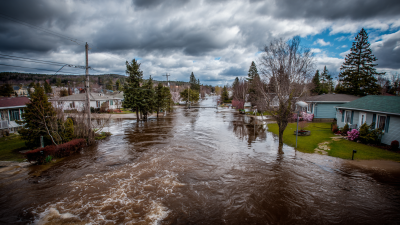
Choosing the right flood pump in 2026 starts with the water, not the product label. A basement with three inches of clean seepage needs a different solution from a construction trench filled with silt. Measure the expected flow, lifting height, discharge distance, and hose diameter before comparing models. These figures show whether a pump will drain steadily or struggle noisily. Look for a published flow curve, motor protection, ingress rating, and clear solids-handling specifications. A cheap unit may appear powerful at zero lift, then disappoint when water rises through twenty feet of hose. That detail is often missed. In real flood response, blocked screens, poor extension cords, and undersized outlets cause avoidable failures. Keep the intake clear. Keep connections elevated.
A reliable flood pump should match the site, not merely win an online rating comparison. Confirm continuous-duty limits, automatic shutoff behavior, thermal protection, and compatibility with your available power supply. Battery models can support short emergencies, but runtime falls quickly during heavy flow. Smart monitoring may help in 2026, yet sensors still require testing and cleaning. Manufacturer manuals, recognized safety certifications, and advice from qualified electricians provide stronger evidence than anonymous reviews. No checklist can predict every flood. I would still test the pump before storm season, using the actual hose and outlet. Record the drainage time, unusual vibration, and water level. Small observations often reveal serious weaknesses. Choosing well means accepting one uncomfortable truth: the strongest-looking pump is not always the safest, fastest, or most dependable choice.
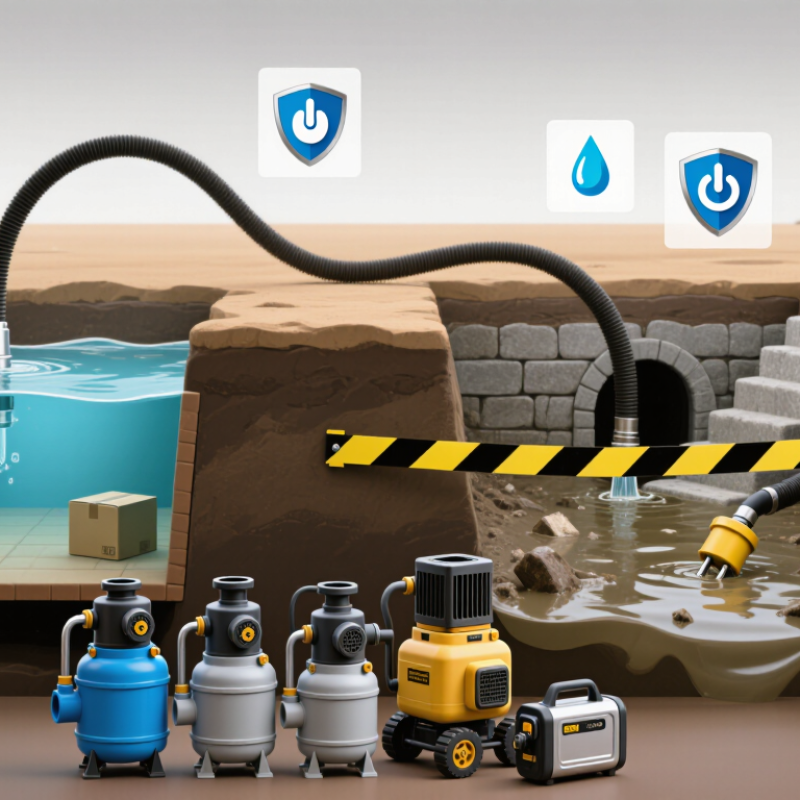
Choosing a flood pump starts with identifying the water, not the price. Clean rainwater needs a different pump from muddy basement water. A portable electric submersible pump suits relatively clear water and shallow indoor flooding. It can sit directly in the lowest area, leaving only a thin layer behind.
For leaves, gravel, and other solids, use a trash pump with a wider intake. Its impeller handles debris better than a small utility pump. However, it usually needs a firm, level outdoor position and proper fuel ventilation. A diaphragm pump can manage sludge and thick sediment, especially where water contains soft mud. It often moves water more slowly. That trade-off matters during a rising flood.
Check flow rate, total head, hose length, and the height water must climb. A pump rated for high flow may perform poorly through a narrow hose or long discharge route. I have seen users blame the pump when the real problem was excessive hose resistance. That mistake is easy to repeat. Read the performance chart, not only the box rating.
Electric models are convenient for indoor emergencies, but wet conditions make cable protection critical. Use ground-fault protection and keep connections above standing water. Never run fuel-powered equipment in enclosed spaces. If the water may contain sewage, chemicals, or hidden electrical hazards, stop and seek qualified help. Pump selection becomes less certain when the water source is unknown.
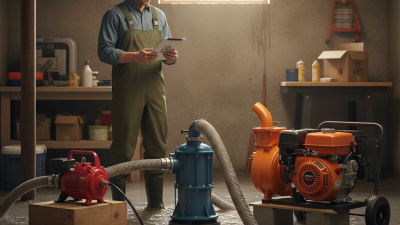
Choosing a flood pump in 2026 starts with measuring the water, not browsing product labels. Estimate the flooded area, average depth, and expected inflow. Multiply length, width, and depth to approximate volume. A 10-by-8-meter room with 0.15 meters of water holds about 12 cubic meters. Add water from rain, drains, or a damaged pipe. Small measurement errors can cause expensive delays. This calculation remains an estimate.
Depth affects pump selection and safe operation. A shallow garage floor may need a low-level pump that removes water close to the surface. Deeper water requires checking maximum submersion depth and motor cooling requirements. Measure from the floor to the water surface. Allow room for rising levels. Never assume a pump can handle muddy water. Silt, leaves, and gravel can clog narrow passages. A qualified professional should verify electrical safety before operation.
Pumping conditions matter as much as capacity. Check discharge hose length, lift height, bends, and outlet location. Flow often drops when the hose climbs stairs or crosses a long yard. Choose capacity under real operating conditions, not the highest box rating. If sewage, chemicals, or contaminated water are present, stop and seek qualified advice. Keep records of measurements, start time, and changing water levels. Recheck them during pumping. I often overestimate speed when water looks shallow. A controlled setup may prevent overheating and another flooded room.
Choosing a flood pump starts with the water volume, not the pump label. Estimate the flooded area, average depth, and expected inflow. Then calculate the required discharge rate in litres per minute or gallons per minute. A basement holding 10,000 litres needs a different solution from a shallow garage puddle. Leave a practical margin for sudden rainfall.
Head height is equally important. Measure the vertical distance from the water surface to the discharge outlet. Add friction from hoses, elbows, valves, and narrow pipes. A pump rated for high flow may deliver much less at greater head height. Check the performance curve at your actual operating point. That figure matters more than the maximum rating.
My early site estimates were often too optimistic. I ignored a long, flexible hose once, and the output dropped noticeably. Field conditions can expose weak assumptions. Choose a discharge pipe that matches the pump outlet, and keep the route short and gently curved. For deep flooding, select a pump with enough head capacity without sacrificing the required flow. Confirm continuous-duty limits, debris handling, power protection, and automatic shutoff features. Test the system with real hose length before an emergency. Measure the actual flow if possible. Small errors become expensive when water keeps rising.
In 2026, flood risk deserves practical planning. NOAA recorded 27 billion-dollar weather and climate disasters in the United States during 2024. Power choice matters. A mains-powered pump suits long operation, but outages require battery backup or a generator. Keep combustion engines outdoors. The U.S. Consumer Product Safety Commission links portable generators with dozens of non-fire carbon monoxide deaths each year. A transfer switch, weatherproof connections, and a correctly sized GFCI add essential protection.
Materials decide whether the pump survives dirty water. Stainless steel resists corrosion near saltwater and contaminated moisture. Cast iron handles abrasion and heat, but it weighs more and needs coating checks. Reinforced thermoplastic is lighter and often practical for temporary drainage. Confirm the manufacturer’s solids-handling diameter before moving muddy water. Small intake screens can clog quickly.
Safety features should match the site, not only the brochure. Choose thermal overload protection, a float switch, a high-water alarm, and a non-return valve. Follow NFPA 70 guidance and local electrical requirements. FEMA’s National Risk Index identifies flooding as a recurring hazard across many U.S. counties. That supports keeping equipment ready, not stored in a sealed box. A specification can look perfect and still fail in silt. Test the pump under load, inspect cables, and measure actual discharge height. Not every rating survives reality.
Power-source suitability by operating condition, with emphasis on runtime, mobility, wet-site practicality, and electrical safety.
Scores use a 1–5 practical-fit scale. Mains power generally provides the longest continuous operation, generators improve mobility but require ventilation and dry placement, and battery systems offer the safest mobility where sufficient capacity is available. Use corrosion-resistant materials such as stainless steel or reinforced thermoplastics, and always include GFCI/RCD protection, grounding, overload protection, and a properly rated waterproof connection.
How to Choose the Right Flood Pump in 2026?
Installation affects both performance and emergency response. A pump should fit through the access opening without forcing the discharge hose. Measure the pit, outlet, power source, and vertical lift before purchasing. Higher lift reduces flow, so compare performance data at the required head, not only the advertised maximum. For fixed systems, a permanent pipe connection can reduce setup time. However, it may restrict future repairs. Keep electrical connections above expected flood levels, and follow local electrical codes. Safety matters more than speed.
Maintenance needs a realistic schedule. Inspect the intake screen after muddy water, leaves, or gravel pass through. Test the float switch every few months, even during dry seasons. Portable pumps are useful when flooding affects several areas, but carrying them downstairs is awkward. Choose a manageable weight, a protected handle, and a hose that coils without kinking. Fixed pumps offer convenience, yet their hidden valves and sensors can fail unnoticed. That is an uncomfortable detail.
Long-term cost includes energy use, replacement parts, storage, and downtime. A cheaper pump may consume more electricity or need frequent impeller cleaning. Ask for documented flow rates, service intervals, and spare-part availability. Technicians should also check whether the motor tolerates continuous operation. I have seen buyers focus on purchase price and overlook extension-cord losses. That mistake becomes expensive during repeated storms. No pump fits every property. Recheck your assumptions after measuring the site, because a small error in lift or hose diameter can change the entire decision.
| Pump Type | Typical Flow Rate | Typical Maximum Head | Installation | Maintenance | Portability | Typical Purchase Cost* | Best Use |
|---|---|---|---|---|---|---|---|
| Submersible Sump Pump | 30–100 gal/min (114–379 L/min) |
15–35 ft (4.6–10.7 m) |
Place directly in the lowest flooded area; connect a discharge hose or pipe and electrical protection. | Clean the intake screen, inspect the float switch, and test periodically. Usually low routine maintenance. | Good; compact but requires access to a power outlet and drainage route. | Approximately US$100–US$400 | Basements, sump pits, and relatively clear water. |
| High-Flow Submersible Pump | 100–300 gal/min (379–1,136 L/min) |
20–50 ft (6.1–15.2 m) |
Lower the pump into the flooded zone, secure the discharge line, and use a suitably rated power supply or generator. | Remove sediment after use, check seals and cables, and inspect the impeller for blockage. | Moderate; often heavier than household sump pumps and may need two-person handling. | Approximately US$300–US$1,200 | Large basement floods, construction areas, and rapid water removal. |
| Trash Pump | 100–500 gal/min (379–1,893 L/min) |
50–100 ft (15.2–30.5 m) |
Position the pump on a stable, dry surface; attach suction and discharge hoses; prime before operation when required. | More demanding: clean the strainer, check priming components, change engine oil where applicable, and flush muddy water. | Moderate to low; wheeled frames improve movement, but the pump and engine are comparatively heavy. | Approximately US$400–US$2,000 | Muddy, sandy, or debris-laden floodwater where a standard clear-water pump may clog. |
| Utility Transfer Pump | 10–50 gal/min (38–189 L/min) |
10–30 ft (3.0–9.1 m) |
Set beside the water, connect hoses, and prime according to the pump design. Keep the motor dry. | Clean the inlet filter, inspect hose connections, and prevent dry running. Typically simple to service. | Excellent; generally lightweight and easy to store or carry. | Approximately US$60–US$250 | Small, shallow, relatively clean-water jobs and emergency household use. |
| Pedestal Sump Pump | 25–70 gal/min (95–265 L/min) |
15–30 ft (4.6–9.1 m) |
Install the motor above the water on a fixed stand; align the float and connect a permanent discharge pipe. | Easy access to the motor and switch, but the exposed motor must be kept dry and ventilated. | Low; designed mainly for permanent installation in a sump pit. | Approximately US$100–US$350 | Fixed basement drainage where the sump pit is narrow or deep. |
| Diaphragm Pump | 20–100 gal/min (76–379 L/min) |
20–30 ft (6.1–9.1 m) |
Place on stable ground, connect suction and discharge hoses, and operate with the correct fuel or power source. | Inspect and periodically replace diaphragms, valves, gaskets, and suction hoses; flushing is important after dirty-water use. | Moderate; useful in remote areas but usually heavier and noisier than electric utility pumps. | Approximately US$500–US$2,500 | Dirty water, sludge, and locations without dependable electrical power. |
*Purchase-cost ranges are indicative 2026 consumer and light-commercial estimates in U.S. dollars for generic equipment. They exclude hoses, piping, electrical protection, fuel, generator costs, installation labor, and regional taxes. Actual prices and performance vary by pump construction, motor size, materials, and local market conditions.
Please enter the details to download, thank you
Get in Touch With Us
Please enter the details to download, thank you