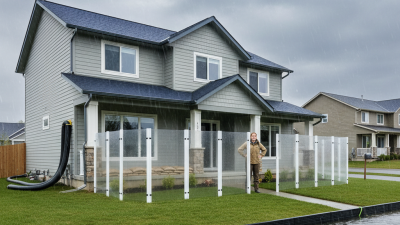
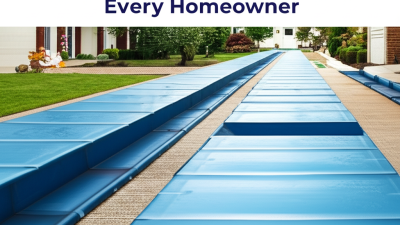
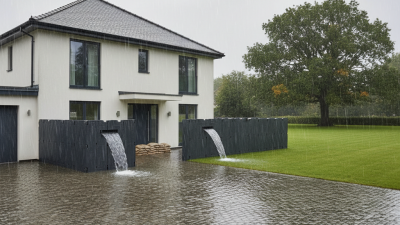
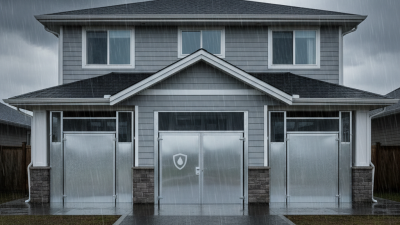
In recent years, the frequency of flooding has increased, making flood protection barriers for homes a crucial topic. Expert John Smith, a flood safety consultant, states, “Investing in quality flood barriers can save lives and property.” Homeowners must be proactive in securing their properties against flood threats.
Flood protection barriers vary in design and effectiveness. Some barriers are collapsible, while others are permanent installations. Each type has its benefits and challenges. It is key to assess your property’s unique risks. Consider factors such as your home’s location, past flood experiences, and local climatic conditions.
Many people underestimate what flood protection entails. It’s not just about barriers; it’s a comprehensive approach. Maintenance, placement, and timely deployment of barriers are just as vital. Effective flood protection demands informed choices and ongoing evaluation of strategies. Such vigilance ensures your home remains safe when waters rise.
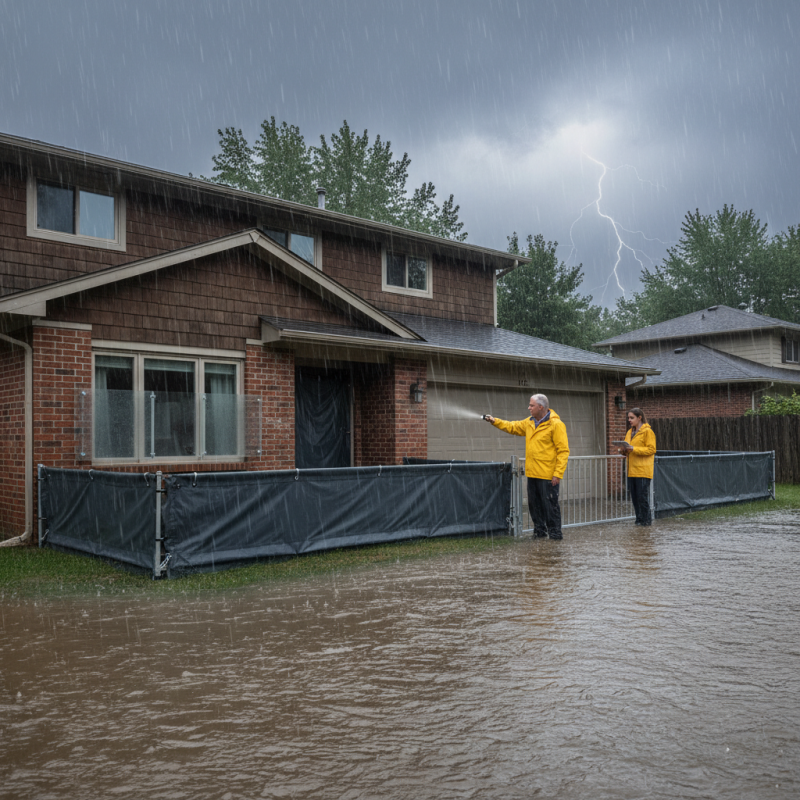
When considering flood protection barriers for homes, understanding the types available is crucial. Various options cater to different needs and environments. Some barriers are temporary, designed for quick deployment during heavy rains. Others are permanent structures, built to withstand long-term flooding. Each has its benefits and drawbacks.
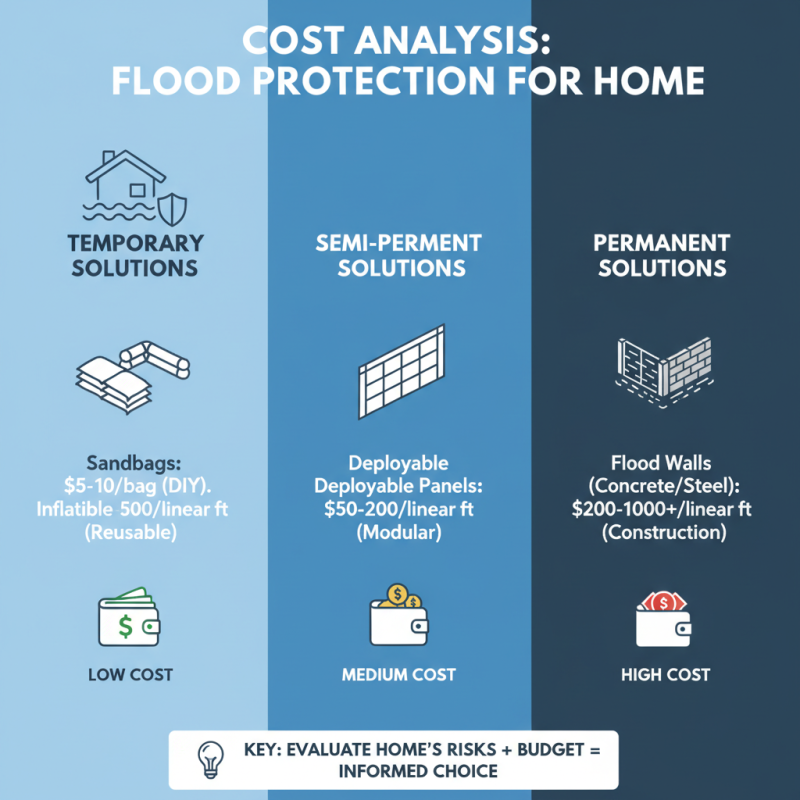
Sandbags are a popular choice for emergencies. They are relatively inexpensive and easy to use. However, they can be labor-intensive to set up. Homeowners often find them effective for short-term solutions. In contrast, inflatable barriers provide a different approach. They are lightweight and quick to install. Yet, they can be less reliable in severe weather events.
Another option is the flood wall, a solid structure that offers robust protection. These require more resources and planning to implement. Some people may struggle with local regulations or zoning laws when considering permanent barriers. Ultimately, choosing the right flood protection barrier depends on individual circumstances, budget, and local conditions. Each type has strengths and weaknesses that should be carefully assessed.
| Type of Barrier | Material | Height (ft) | Installation Time | Cost ($) |
|---|---|---|---|---|
| Permanent Barrier | Concrete | 3 - 6 | 1 - 2 weeks | 5000 - 10000 |
| Sandbags | Burlap/Cotton | 1 - 3 | Immediate | 0.50 - 1.00 each |
| Inflatable Dam | Vinyl | 2 - 5 | 1 - 2 hours | 1000 - 3000 |
| Steel Barrier | Steel | 3 - 7 | 2 - 4 weeks | 7000 - 15000 |
| Modular Barrier | Various | 1 - 5 | 1 day | 1500 - 5000 |
When selecting flood barriers for homes, several key factors come into play. First, the material of the barrier is essential. Some systems use aluminum, while others may rely on inflatable options. Each material has its own strengths and weaknesses. For instance, inflatable barriers are lightweight but may not withstand severe conditions. Assessing the durability of materials can be difficult.
Another critical aspect is the height and design of the barrier. Floodwaters can vary greatly in depth and flow rate. A low barrier may suffice for minor flooding but could fail during a storm surge. Therefore, measure the typical flood levels in your area, and choose a barrier that exceeds those heights.
Consider the installation process as well. Some systems require professional installation, while others are DIY-friendly. While DIY options may seem appealing, they might come with hidden challenges. Improper installation could lead to failure during flooding. It’s wise to weigh the installation method against your confidence level and experience.
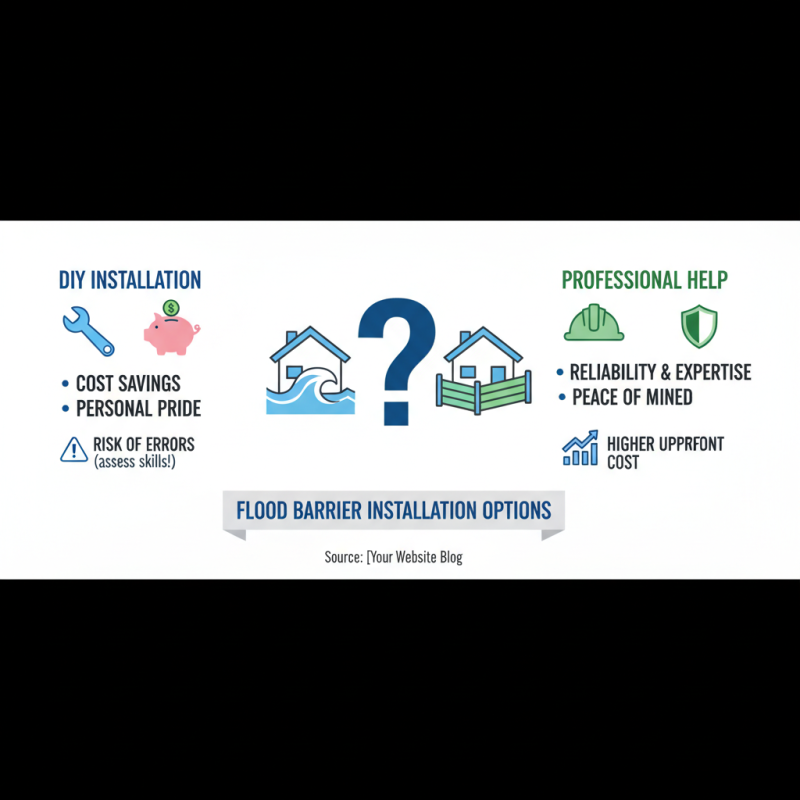
When deciding on flood barriers, homeowners face a critical choice: DIY installation or hiring professionals. Each option offers distinct advantages and challenges. A DIY approach can save money. Many homeowners take pride in their ability to handle projects themselves. However, inadequate preparation might lead to errors. It's essential to assess your skills honestly before taking on this task.
On the other hand, professional help brings expertise. Contractors with experience understand local regulations and safety standards. They can recommend the best materials based on your home's unique needs. Yet, professional services can be expensive. Homeowners should balance costs against the peace of mind that comes from a properly installed barrier. Miscommunication or lack of clarity with contractors can lead to frustration. Evaluating both choices thoroughly ensures an informed decision that prioritizes home safety.
When considering flood protection barriers for homes, maintenance and durability are crucial factors. Research indicates that improper maintenance can significantly reduce a barrier's effectiveness. According to the National Flood Insurance Program, about 80% of flood damage comes from preventable water intrusion. Regular inspections and prompt repairs are essential for ensuring longevity.
Durability of materials is also a key concern. Barriers made from high-quality, weather-resistant materials can withstand harsh conditions. A study from the American Society of Civil Engineers highlighted that barriers need to endure extreme weather variations. The ideal lifespan for these barriers is around 30 years with proper care. However, many homeowners neglect regular maintenance, leading to premature deterioration.
Ignoring minor repairs often leads to larger problems later. Even small cracks can allow water to seep through, undermining the entire barrier's purpose. Learning from past flooding incidents can reinforce the importance of proactive maintenance. Homeowners should periodically evaluate the integrity of their barriers for long-term effectiveness.
When budgeting for flood protection solutions, it's vital to evaluate costs carefully. Start by identifying the most suitable barrier types for your home. Options include sandbags, inflatable barriers, and permanent flood walls. Each solution has its own price range, from inexpensive temporary options to costly permanent installations. Understanding these choices is essential for making sound financial decisions.
Tips: Always consider the materials' durability. Investing in robust materials may cost more upfront but will save money on repairs in the long run.
Next, factor in installation costs. While some barriers can be set up by homeowners, others may require professional installation. Hiring experts can increase your overall budget significantly. It is advisable to get multiple quotes to compare service costs.
Tips: Research local contractors. Look for reviews and check their past flood protection projects. This can help you avoid unexpected expenses related to low-quality work.
Lastly, don't forget maintenance costs. Regular checks and repairs are part of a long-term strategy. Setting aside a small budget annually can ensure your flood barriers remain effective. Flood protection is an investment, but weighing initial costs against long-term savings is crucial.
Please enter the details to download, thank you
Get in Touch With Us
Please enter the details to download, thank you