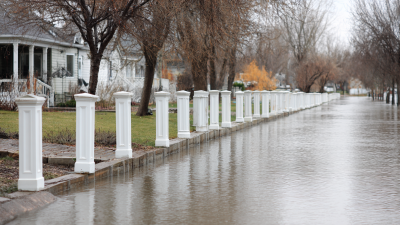
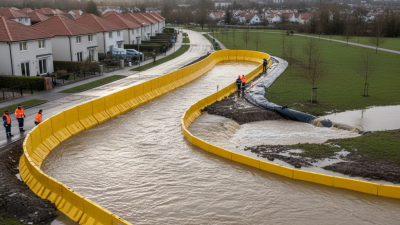
In 2026, effective management of flood prevention barriers is crucial for protecting communities. Flood prevention barriers play a vital role in mitigating flood risks. Their design and placement can save lives and reduce property damage. Proper usage can make a significant difference during natural disasters.
Communities must understand the limitations of flood prevention barriers. They are not a panacea for all flooding issues. Misunderstandings can lead to catastrophic outcomes. Training local teams in barrier deployment is essential. Knowledge about terrain and water flow is key.
Investing in durable materials will enhance barrier effectiveness. However, maintenance is often overlooked. Regular inspections are necessary for optimal performance. Unrealistic expectations can lead to neglect. Understanding both strengths and weaknesses will create a resilient flood defense strategy.

Flood prevention barriers play a crucial role in protecting communities from the devastating effects of flooding. According to the National Flood Insurance Program, floods are responsible for over $8 billion in damages annually in the U.S. alone. These barriers can significantly reduce this economic impact when properly utilized. They are designed to redirect water and protect critical infrastructure, but their effectiveness can diminish if not maintained or deployed correctly.
In 2026, awareness of local flood risks will be essential. Many communities underestimate their vulnerability. Reports show that nearly 80% of flood-related damage occurs in areas classified as low or moderate risk. This highlights the need for proactive measures, such as installing temporary flood barriers in anticipation of flooding events. An effective barrier system requires community engagement, proper training, and frequent drills, yet many areas lack these preparations.
Furthermore, the materials used for flood barriers can range from sandbags to inflatable dams. Each type has its strengths and weaknesses. For instance, while sandbags are readily available, they can be cumbersome to set up. On the other hand, inflatable barriers may offer quicker deployment but require specific storage conditions. Understanding these nuances is critical for effective flood prevention strategies. Continual assessment of the barriers and regular community reviews are necessary for improvement.
Flood prevention barriers come in various types, each suited for different applications. Among the most common are sandbags, which are often seen at construction sites and along rivers. Sandbags are affordable and easy to deploy. However, they can be labor-intensive and may not withstand heavy flooding for long periods.
Another type is the inflatable dam. These barriers are quicker to set up and can cover larger areas effectively. They also tend to offer more flexibility regarding location and deployment. However, they require a consistent power source to remain inflated, which poses challenges during emergencies.
Lastly, there are permanent barriers, usually made from concrete or steel. These structures provide long-term protection and resist significant water pressure. Yet, they can be costly and may require complex installation and maintenance. Each type has its pros and cons and needs careful consideration to ensure efficacy during floods. Emergency plans should also include strategies for possible failure or disaster scenarios. Reflecting on these limitations can lead to better preparedness in future flooding situations.
| Type of Barrier | Material | Height Range (m) | Installation Time (hrs) | Suitable Applications |
|---|---|---|---|---|
| Portable Flood Barriers | PVC/Polyethylene | 0.5 - 2.5 | 2-4 | Residential areas, commercial facilities |
| Inflatable Barriers | Rubber/Polyester | 1 - 3 | 1-2 | Urban flood protection, events |
| Earth-filled Barriers | Earth/Sand | 1 - 5 | 4-8 | Agricultural areas, industrial sites |
| Non-structural Barriers | Natural/Durable materials | Variable | N/A | Wetland conservation, biodiversity |
| Automated Barriers | Metal/Plastic composites | 1 - 4 | 3-6 | Infrastructure, urban areas |
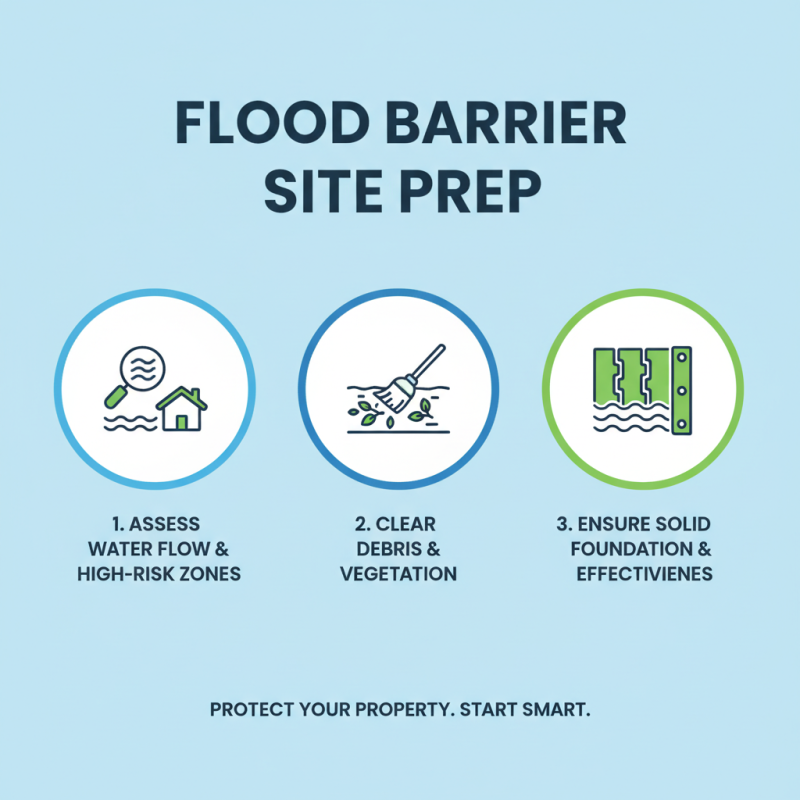
When installing flood prevention barriers, site preparation is crucial. Begin by assessing the area for potential water flow paths. Identify high-risk zones, such as low-lying areas or near rivers. Clear debris and vegetation to ensure a solid foundation for the barriers. This step can drastically improve the effectiveness of your barriers.
Next, ensure you select appropriate barrier materials. Some barriers are temporary, while others are permanent. Consider the prevailing weather conditions and the estimated height of floodwaters. Alignment and sealing are key aspects. Gaps can compromise the barrier's effectiveness. Use additional supports or reinforcements as needed. Watch for signs of wear and tear after a heavy rain.
Post-installation, reflect on the process. Did the placement work as anticipated? Were any barriers overtopped? Monitoring is essential. Regular checks can highlight weaknesses before the next flood season. Adjustments may be necessary, and adapting to local conditions is important for future installations. Taking these steps helps refine your approach to flood prevention over time.
Flood prevention barriers are crucial in protecting vulnerable areas. Regular maintenance and inspection are essential to ensure their effectiveness. According to industry reports, nearly 40% of barriers may deteriorate due to weather conditions and environmental factors within five years.
Routine inspections should cover the physical integrity of barriers. Inspectors need to look for cracks, erosion, and any signs of wear. In a recent survey, about 25% of respondents admitted they performed inadequate inspections. These gaps can lead to catastrophic failures during severe weather events.
Moreover, cleaning debris from barriers is vital. Blockages can cause water to overflow, rendering barriers useless. A study indicated that improper maintenance contributed to 30% of flood-related damages in affected regions. Communities must prioritize training for personnel responsible for these tasks. Engaging local volunteers can enhance awareness and encourage proactive measures, fostering a culture of shared responsibility.
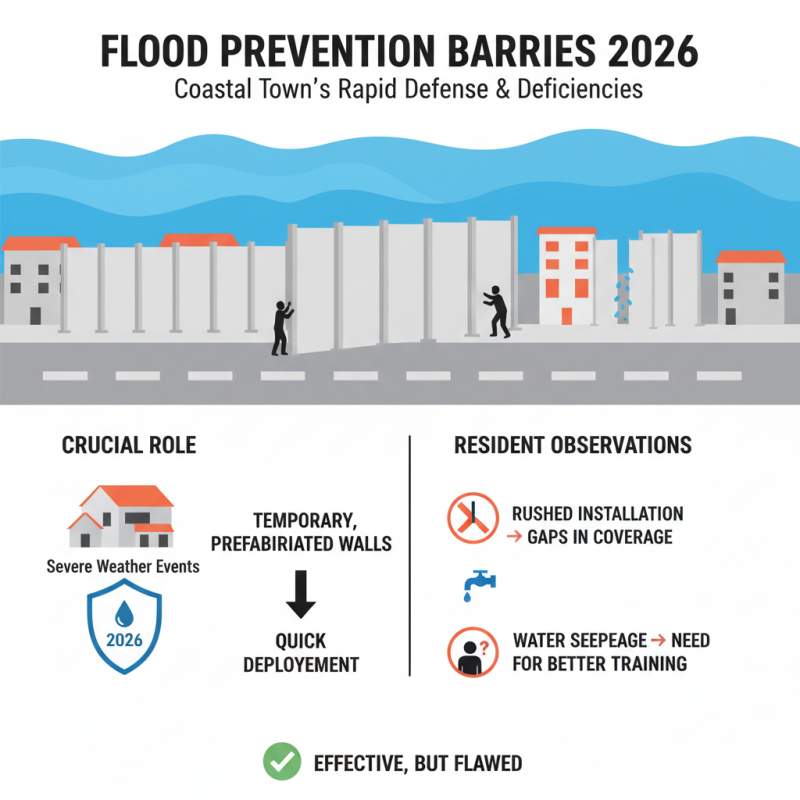
Flood prevention barriers played a crucial role in 2026 as communities faced severe weather events. One striking example comes from a coastal town that implemented temporary barriers to combat rising waters. The town used prefabricated walls that could be quickly deployed. Despite their effectiveness, residents noted some flaws. The installation process was often rushed, leading to gaps in coverage. These gaps allowed water to seep in, highlighting the need for better training in barrier setup.
Another case study emerges from an urban area prone to flash floods. Here, engineers utilized a combination of sandbags and inflatable barriers. While the approach showed promise, it faced issues with durability. On one occasion, a storm overwhelmed the inflatable system, causing significant damage. This incident prompted city planners to rethink their strategies. They realized that regular drills and maintenance were necessary to ensure reliability.
These examples underscore the importance of adaptive measures in flood prevention. Each case illustrates successes but also areas for improvement. Communities must learn from these experiences to enhance their resilience against future floods. Ensuring effective barrier use requires ongoing assessment and community involvement.
Please enter the details to download, thank you
Get in Touch With Us
Please enter the details to download, thank you