In the realm of water management, submersible pumps play a crucial role. These devices, designed to function underwater, are vital for various applications. According to John Smith, a leading expert in the submersible pump industry, "Choosing the right submersible pump can make a significant difference in efficiency."
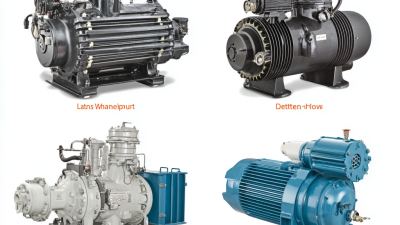
Submersible pumps come in various types, each tailored for specific needs. For example, the sewage pump is essential for handling waste materials while preventing blockages. Similarly, deep well pumps extract water from significant depths, serving agriculture and municipal needs. However, not all pumps perform optimally in every situation. Choosing the wrong type can lead to inefficiencies and increased costs.
Reflecting on the available options, it's evident that there is no one-size-fits-all solution. Proper assessment of requirements is necessary. Additionally, maintenance and operational challenges can arise with specific pump types. These aspects remind us to continually evaluate our choices in the submersible pump market for better outcomes.
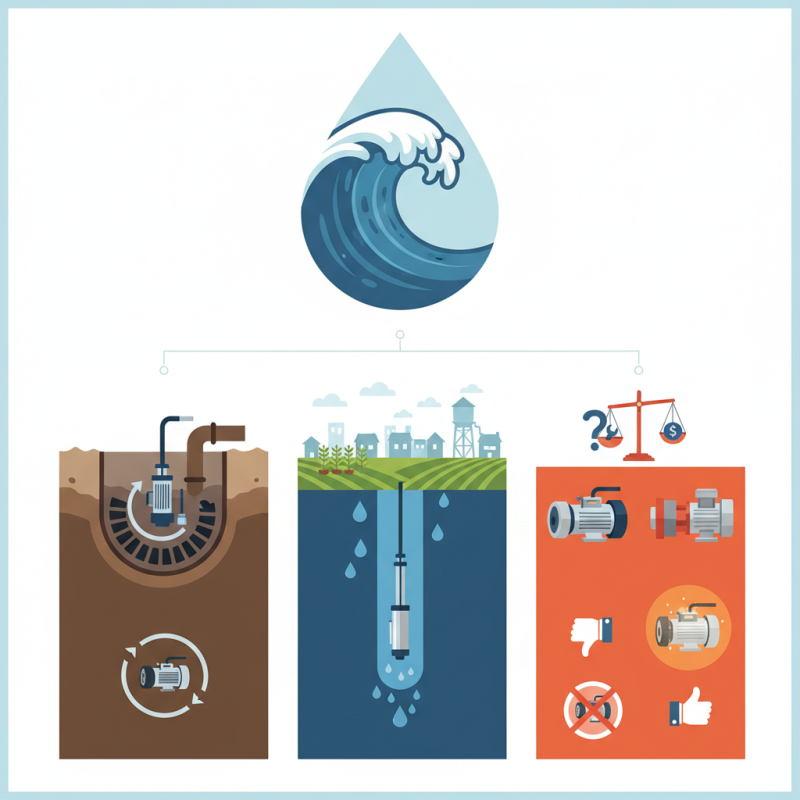
Submersible pumps play a crucial role in water management systems. They efficiently pump water from deep wells, basements, and other water bodies. The design allows them to operate underwater, making them ideal for various applications. They come in different types, catering to diverse needs.
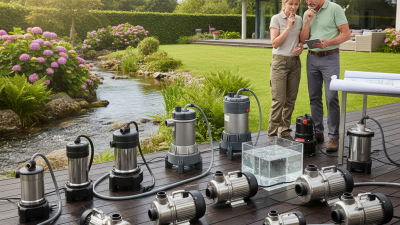
One popular type is the sewage submersible pump. It handles heavy-duty tasks, moving wastewater with solids. This pump is vital for managing sewage systems. In contrast, the utility submersible pump serves lighter jobs, like draining flooded areas. These are typically more portable and simpler to use.
However, choosing the right pump can be challenging. Users often overlook the importance of pump material and size. A wrong choice can lead to inefficiencies or early failures. It's essential to assess specific requirements before making a decision. Understanding the nuances of each type ensures effective water management solutions. It's a learning process, requiring careful consideration and occasional adjustments.
| Pump Type | Application | Flow Rate (GPM) | Head Height (ft) | Material |
|---|---|---|---|---|
| Electric Submersible Pump | Deep well water extraction | 10-600 | 50-1000 | Stainless Steel |
| Solar Submersible Pump | Irrigation in remote areas | 5-300 | 30-500 | Plastic/Composites |
| Borehole Submersible Pump | Water supply for households | 15-120 | 50-600 | Cast Iron |
| Wastewater Submersible Pump | Sewage management | 30-700 | 20-50 | Steel/Aluminum |
| Multistage Submersible Pump | High-pressure applications | 20-500 | 100-900 | Stainless Steel |
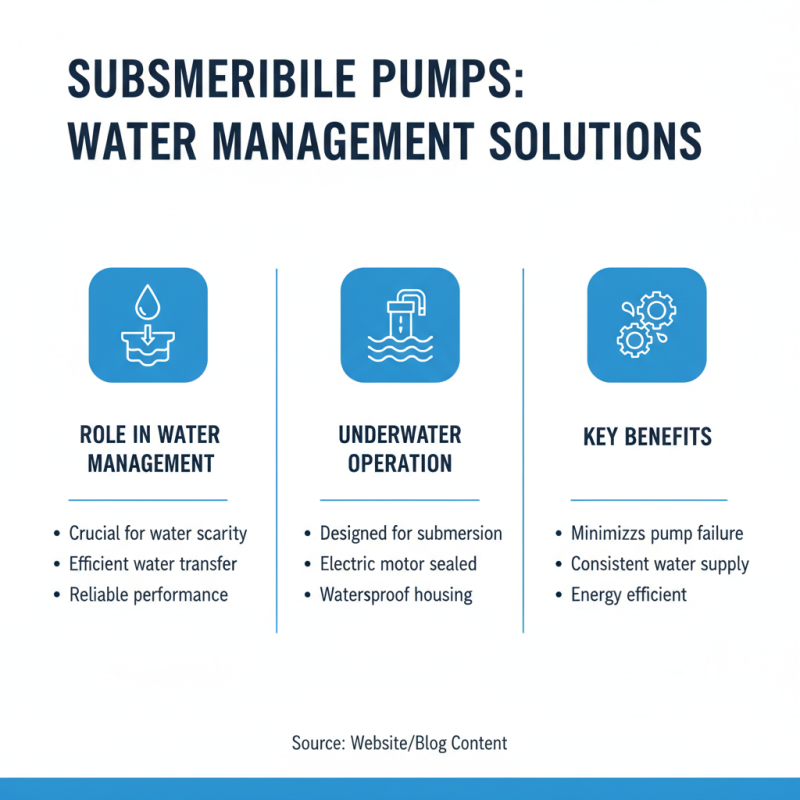
Submersible pumps play a crucial role in water management, especially in areas facing water scarcity. They are designed to operate underwater, effectively moving water from one location to another. These pumps remain submerged, utilizing an electric motor sealed in a waterproof housing. This design minimizes the risk of pump failure due to water exposure, ensuring reliable performance.
In various applications, submersible pumps are used in agriculture, construction, and municipal water systems. They can handle both clean and dirty water, making them versatile. For instance, when draining flooded areas, these pumps provide a quick solution. Yet, their installation and maintenance can be complex. Users often overlook regular inspections, leading to pump inefficiencies.
While submersible pumps offer efficiency, they can also pose challenges. The heat generated by the motor may affect performance. Additionally, sediment build-up can impair functionality over time. Thus, regular maintenance is vital. Understanding these factors can enhance water management practices. Recognizing the need for awareness and proactive measures is key to optimal use.
Submersible pumps play a vital role in various water management systems. They are designed to operate underwater. These pumps transport water efficiently, making them essential for irrigation, drainage, and sewage systems. The construction of a submersible pump consists of a motor, pump body, and seals. These components work together to create a reliable and efficient system.
One popular type is the centrifugal submersible pump. This pump uses a rotating impeller to move water. It is effective for high-flow applications. On the other hand, the positive displacement pump is used for high-pressure situations. It operates by trapping a fixed amount of fluid and forcing it out. Both types have unique strengths, but they also have limitations. They can be damaged if debris enters them. Proper maintenance and monitoring are crucial.
When selecting a submersible pump, consider the specific application. Each type of pump serves distinct needs. Not all pumps are suitable for every situation. Inadequate understanding can lead to inefficiencies. Users must reflect on their requirements and conditions before making a choice.
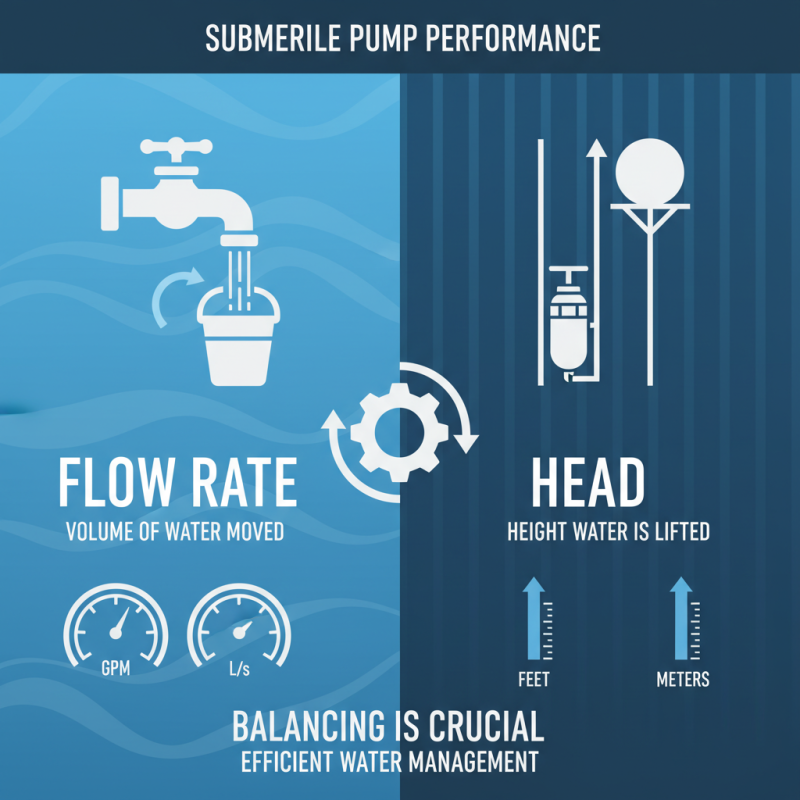
When choosing submersible pumps, two performance metrics stand out: flow rate and head. Flow rate indicates how much water a pump can move. It’s measured in gallons per minute (GPM) or liters per second (L/s). Head refers to the height, in feet or meters, that the pump can lift water. Balancing these metrics is crucial for efficient water management.
The ideal flow rate depends on specific needs. For instance, agricultural applications may require high GPM for irrigation. In contrast, residential uses often need lower rates but with adequate pressure. A report by the Hydraulic Institute states that a pump's efficiency increases when it operates within its best efficiency range. Understanding this can drastically improve performance.
Tips: Always check the pump's specifications. Ensure the flow rate matches your requirements. Don't underestimate the importance of head, as insufficient lift can lead to operational issues. Monitoring both metrics regularly can help identify potential problems early. Assessing your current system might reveal areas for improvement.
When selecting submersible pumps, energy efficiency standards play a critical role. These standards guide consumers towards pumps that consume less energy. Many pumps now offer better performance while using less power. This shift benefits both the environment and your wallet. A pump designed for efficiency can significantly reduce operational costs.
Tips: Always check the associated energy ratings of the pump. Higher ratings imply better efficiency. This can lead to long-term savings, even if the initial price is higher.
However, selecting the right pump isn’t just about energy efficiency. People often overlook maintenance considerations. Regular maintenance ensures optimal performance and prolongs the pump's life. A neglected pump can become less efficient, negating any energy-saving benefits. Make sure to factor in maintenance costs when choosing a pump.
Tips: Schedule regular checks and cleanings. Simple upkeep can prevent significant issues. Efficient pumps need care just like any mechanical device.
Submersible pumps are essential for effective water management across various sectors, including agriculture, industry, and municipalities. These pumps are designed to operate underwater, which allows them to efficiently pump water from wells, reservoirs, or other sources directly to the surface. The article explores the different types of submersible pumps, detailing their construction and functionality, as well as the performance metrics such as flow rate and head that are crucial for evaluating their efficiency.
Energy efficiency standards play a significant role in the selection of submersible pumps, influencing both environmental impact and operational costs. Understanding these metrics is vital for ensuring optimal performance, especially in large-scale applications. By selecting the appropriate submersible pump, organizations can enhance their water management strategies, leading to more sustainable practices and resource usage.
Please enter the details to download, thank you
Get in Touch With Us
Please enter the details to download, thank you