
When it comes to electrical projects, choosing the right wire terminal connectors is crucial. These connectors play a vital role in creating secure and efficient electrical connections. Understanding the various types available can be daunting. A poor choice could lead to costly repairs or dangerous electrical issues.
Quality wire terminal connectors enhance the performance of your electrical systems. They ensure reliability and safety in various applications, from automotive to home wiring. Factors like material, size, and type matter significantly. You need to consider both the environment and the specific requirements of your project. For instance, the connectors used in outdoor settings must withstand harsh conditions.
Don’t overlook the importance of compatibility. Some connectors work better with certain wire gauges. Testing different options might become necessary. This process can be tedious, yet it is essential for achieving optimal results. A thorough understanding of wire terminal connectors can save time and money in the long run. By paying attention to details, you’ll make informed decisions that enhance the quality of your electrical connections.
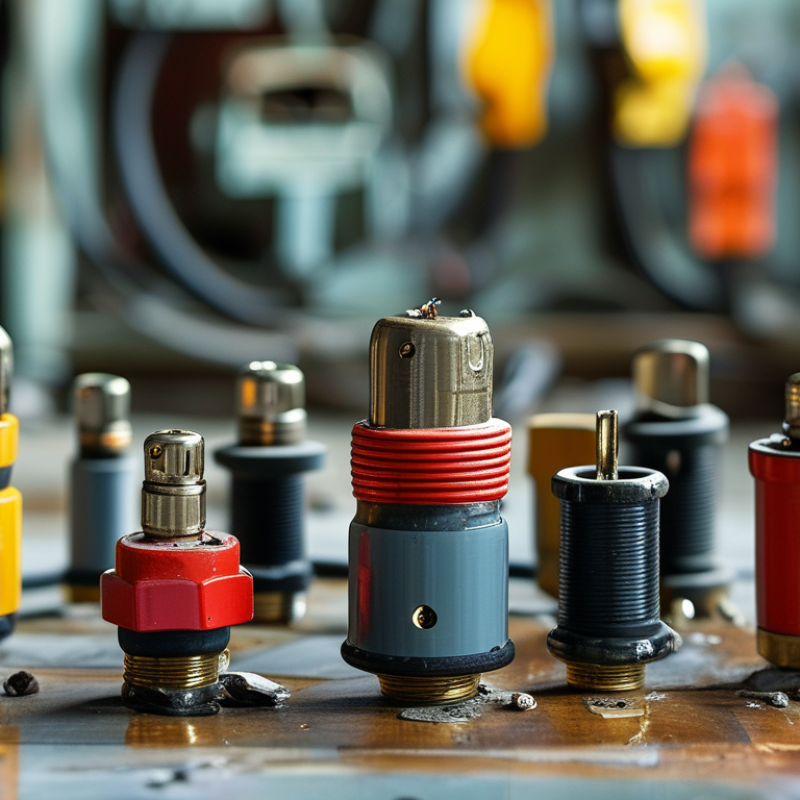
When selecting wire terminal connectors, several essential factors come into play. One of the most critical aspects is the gauge of the wire. According to a report by the Electrical Safety Foundation International, using connectors that match the wire gauge is crucial for maintaining safety and performance. Mismatched sizes can lead to poor connections or overheating, which may cause electrical failures.
Material choice is another important consideration. Connectors may be made of various materials, such as copper or aluminum. Copper connectors are known for their excellent conductivity but can be more expensive. A study from the Institute of Electrical and Electronics Engineers suggests copper-based connectors provide better long-term reliability. Therefore, weighing the costs against performance benefits is vital.
**Tip:** Always check environmental ratings. Some connectors are rated for extreme temperatures or humidity. It’s essential to ensure your choice can withstand the specific conditions in which it will be used.
Additionally, consider the connector type. Options include spade, ring, and bullet connectors. Each type serves different purposes. Choosing the wrong connector type may result in ineffective connections. It is also crucial to assess whether the connectors have necessary safety certifications. These certifications ensure that they meet industry standards and can guarantee reliable function under pressure.
When selecting wire terminal connectors, understanding the various types and their specific applications is crucial. Common types include ring terminals, spade terminals, and bullet connectors. Ring terminals are ideal for secure connections to posts or screws. They provide stable and solid connections but can be cumbersome in tight spaces. Spade terminals offer versatility. They allow for easy hookup and disconnection, making them ideal for temporary setups. However, they may not secure well under vibration. Bullet connectors, known for their simple and effective design, are great for quick connects but may fail if not seated correctly.
Each connector type serves different purposes. For example, ring terminals may be best for automotive applications due to their durability. Spade terminals suit hobby electronics where frequent changes may occur. Bullet connectors excel in audio applications because they minimize signal loss. It’s essential to match the connector to the application to ensure reliability.
Choosing incorrectly can lead to significant issues. Poor connections can cause electrical failures or even safety hazards. It’s important to consider factors like wire gauge, insulation type, and environmental conditions. Don’t ignore the importance of proper selection. A misfit connector might seem minor but could lead to larger complications down the road. Familiarizing yourself with these nuances can significantly enhance your project’s integrity.
Choosing the right wire terminal connectors
involves more than just matching colors. Understanding electrical specifications is crucial for successful installations. Connectors vary in material, current rating, and temperature tolerance. Ignoring these details can lead to overheating and failures.
When selecting connectors, pay attention to the voltage and current ratings. This information is often provided in the product specifications. Ensure these ratings meet or exceed your project's requirements. Many suggest selecting connectors with a higher rating than needed to enhance reliability.
Another crucial aspect is the connector's construction material.
Copper is widely used for its excellent conductivity. However, aluminum can be lighter and more cost-effective. Think about the environment where the connectors will operate. Humidity and corrosion can impact performance. Using terminal connectors made from corrosion-resistant materials can extend their life span.
Keep in mind that the installation process also matters. A poorly crimped connection can compromise performance, leading to intermittent failures. Using proper tools is key. Make sure to practice crimping techniques on spare wires before starting your project. These precautions can prevent mistakes and ensure a more reliable outcome.
When selecting wire terminal connectors, installation and maintenance are crucial for optimal performance. Proper installation reduces the risk of failures or safety hazards. According to recent industry reports, over 15% of electrical failures are linked to poor connections. Maintaining your wire connectors increases their lifespan and reliability.
One essential tip is to ensure proper stripping of insulation. Stripping too much can expose too much wire, causing corrosion over time. Stripping too little can lead to loose connections. Use the right tools to achieve accurate results.
Regular inspections can help maintain functionality. Disconnectors should be checked for signs of wear or any loosening. Tightening loose connectors can prevent overheating, which accounts for about 30% of connection failures. This proactive approach minimizes future issues and enhances safety. Remember, neglecting maintenance can lead to costly repairs and downtime.
| Dimension | Description | Best Practices | Maintenance Tips |
|---|---|---|---|
| Wire Gauge | Select appropriate size for current load and application. | Refer to a wire gauge chart for selection. | Regularly check for signs of wear or damage. |
| Connector Type | Choose between spade, ring, bullet, etc., based on application. | Understand the type of connection required. | Clean connectors regularly to prevent corrosion. |
| Material | Copper and aluminum are common; consider environmental factors. | Select based on conductivity and corrosion resistance. | Inspect for oxidation and replace if necessary. |
| Insulation | Protects against short circuits and environmental elements. | Ensure insulation is intact and suitable for the application. | Avoid exposure to extreme temperatures and chemicals. |
| Connection Method | Soldering, crimping, or Screw Terminal connections. | Follow manufacturer instructions for secure connections. | Check tightness and security periodically. |
Choosing wire terminal connectors requires careful consideration. Many make common mistakes that can lead to serious issues later. One frequent error is selecting connectors without confirming their compatibility with wire sizes. This can lead to poor connections or even damage to the wires over time. Always check the specifications to ensure a perfect fit.
Another common oversight is disregarding the environmental conditions the connectors will face. If connectors are used outdoors, they must be weather-resistant. For high-temperature environments, using heat-resistant connectors is essential. Neglecting this can result in quick deterioration and failure. It's crucial to understand the working environment when making your selection.
Many people also forget to assess the current rating of the connectors. Using connectors rated for lower currents can cause overheating and potential hazards. An overly simplistic approach to wiring can jeopardize not just equipment, but safety as well. Taking a moment to research and verify connector ratings can make a significant difference. Errors often stem from rushing the decision-making process, so taking time for reflection is key.
Please enter the details to download, thank you
Get in Touch With Us
Please enter the details to download, thank you