Are Flood Prevention Barriers the Best Solution for Your Needs?

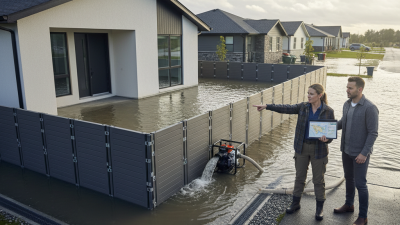
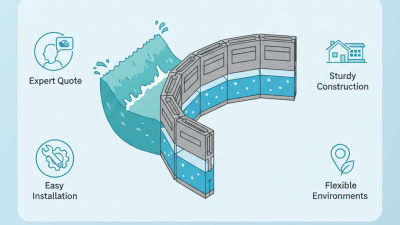
Flood prevention barriers have become a common solution for many communities facing the threat of water damage. These structures are designed to offer protection against rising waters and can be tailored to meet specific needs. However, the effectiveness of flood prevention barriers varies significantly based on location, material, and design.

Understanding the unique challenges your area faces is crucial. For instance, some regions may experience sudden flash floods, while others might deal with long-term rising water levels. A flood prevention barrier that works in one scenario may not be suitable in another. This inconsistency raises important questions about their overall practicality and reliability.

Moreover, investing in flood prevention barriers requires careful consideration of costs and maintenance. Many homeowners often overlook the long-term implications of these structures. In some cases, barriers may provide a false sense of security. This can lead to inadequate preparation for flood events. It’s essential to weigh the advantages and drawbacks of flood prevention barriers in relation to your specific circumstances.
Are Flood Prevention Barriers the Best Solution for Your Needs?

Types of Flood Prevention Barriers Available in the Market

Are Flood Prevention Barriers the Best Solution for Your Needs?

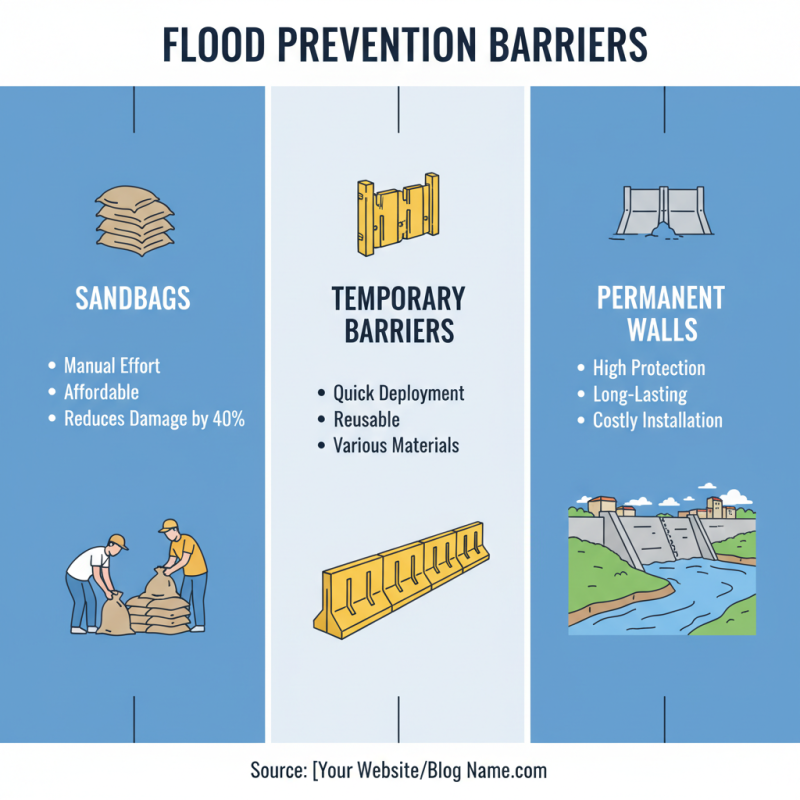
Flood prevention barriers come in various types, each designed for specific needs. Sandbags are a common option. They are easy to deploy and affordable. Reports indicate that using sandbags can reduce flood damage by up to 40% in vulnerable areas. However, they require significant manual effort and can be less effective if not stacked properly.

Another option is the more advanced temporary flood barriers, which can be set up quickly. These barriers often utilize inflatable designs, making them flexible and transportable. According to industry experts, these barriers can withstand water levels of up to 10 feet when properly installed. Yet, their reliance on proper dam techniques and materials means that training is critical to ensure success.

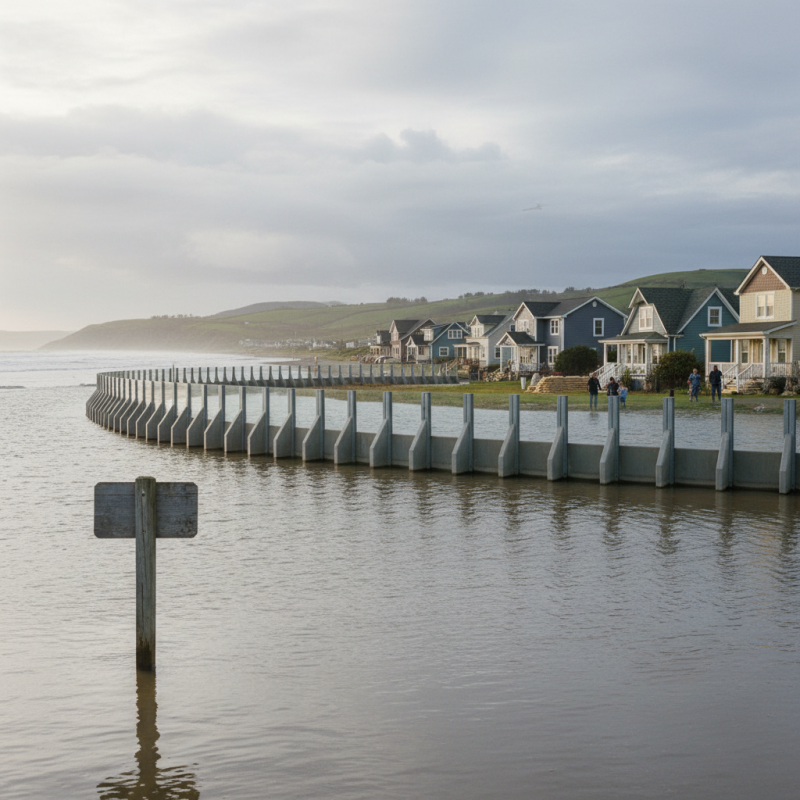
Permanent solutions, such as levees and flood walls, offer long-term protection but come with high costs. While these structures can effectively protect against rising waters, maintenance is essential for their effectiveness. An estimated 25% of levees are not up to standard, which raises concerns about their reliability. Choosing the right barrier depends on specific needs and local conditions. Each option has its pros and cons, revealing the complexities in flood prevention strategies.
Evaluation of Effectiveness of Flood Barriers in Different Environments

Flood barriers have gained popularity in many areas for protecting against rising waters. However, their effectiveness can vary significantly based on the environment. In urban settings, where flood risk is often higher, barriers must be tailored to specific needs. They should be robust enough to withstand strong currents and unexpected surges. Natural landscapes, like wetlands, may benefit from less rigid solutions that integrate with existing ecosystems.

Tips: Consider the landscape carefully. Evaluate both man-made and natural features. Flood barriers may work well in some scenarios but can hinder natural drainage.

In rural areas, the effectiveness of barriers might be challenged by larger floodplains. Water can pool in ways that barriers do not anticipate. Flexibility in design is crucial here. A barrier that's perfect for a small stream may not hold up against a river's surge.

Tips: Always plan for overflow. Include emergency protocols if barriers fail. Collaboration with local agencies can provide valuable insights into recurring flood patterns.

A one-size-fits-all approach simply won’t work. Each environment presents unique challenges. Effective flood prevention requires ongoing evaluation and adaptation to conditions.

Cost Analysis: Are Flood Barriers Worth the Investment?

Flood prevention barriers can be a considerable investment for homeowners and municipalities. According to the National Flood Insurance Program, homes in flood-prone areas face losses averaging around $33,000 per flood event. This data emphasizes the financial risk of flooding. The cost analysis often shows that flood barriers require substantial upfront expenses, which can range from $5,000 to $50,000 depending on factors like location and size.

Evaluating the long-term benefits is crucial. A study by the Environmental Protection Agency (EPA) indicates that effective flood barriers can reduce flood damages by up to 75%. However, the barriers must be well-maintained to achieve this success rate. Neglecting maintenance can lead to failures that are costly and detrimental. Some installations may not even function effectively during extreme weather events, raising questions about their reliability.

Additionally, environmental concerns arise from the installation of barriers. They can alter natural water flow and harm ecosystems. This creates an ethical dilemma for communities. The financial savings from flood barriers must be weighed against potential long-term environmental impacts. Ongoing discussions within the field highlight the importance of considering not just the initial outlay, but also the broader implications of investing in flood prevention measures.

Cost Analysis of Flood Prevention Barriers

This chart represents a cost analysis of flood prevention barriers, comparing initial costs with ongoing maintenance costs and potential annual savings from avoiding flood damage. This information can help determine if investing in flood barriers is worthwhile for your specific needs.

Maintenance and Longevity of Flood Prevention Barriers

Are Flood Prevention Barriers the Best Solution for Your Needs?

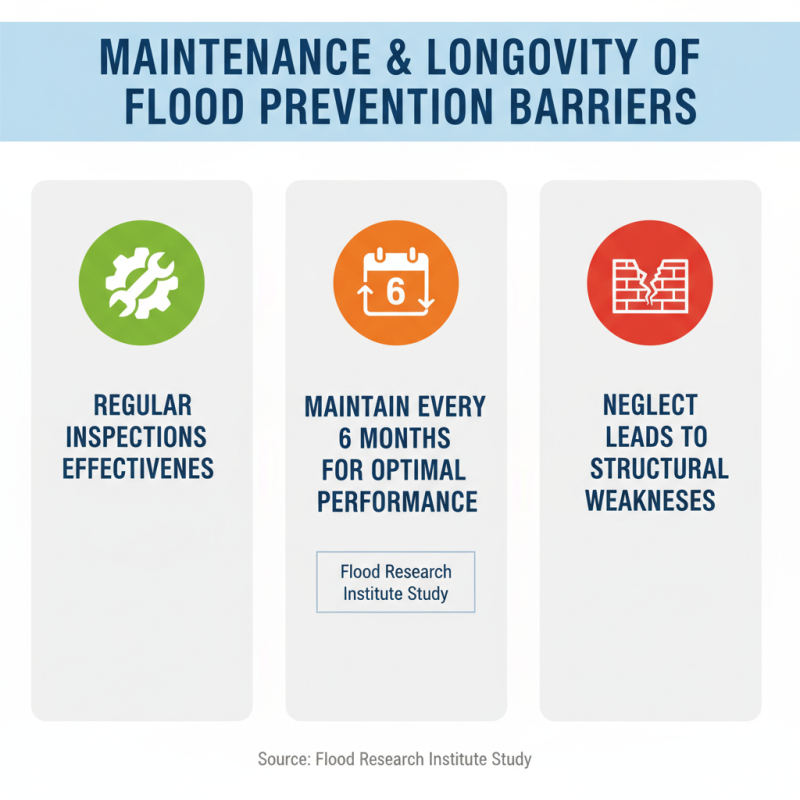
When considering flood prevention barriers, maintenance and longevity are crucial. Regular inspections can increase their effectiveness. According to a study from the Flood Research Institute, barriers require maintenance every six months to perform optimally. Neglect can lead to structural weaknesses.

Materials used in barriers also impact their lifespan. Some barriers are made from reinforced concrete, while others use flexible membranes. Research indicates that concrete barriers last up to 50 years with proper care. In contrast, membrane barriers may need replacement every 10-15 years. These factors can significantly affect long-term costs.

Unexpected issues can arise. For instance, improper installation might compromise the barrier's integrity. Regular training for installation crews is essential. A report by the National Flood Prevention Council emphasizes the need for skilled professionals. This training not only ensures proper setup but also helps in identifying potential issues early. Investing in training may seem costly, but it pays off in the long run.

Alternatives to Flood Barriers: Solutions and Strategies for Flood Control

When considering flood control, examining alternatives to traditional flood barriers is crucial. Many regions face increasing flood risks due to climate change. The National Oceanic and Atmospheric Administration (NOAA) reported that heavy rainfall events have doubled since the 1960s. This trend emphasizes the need for diverse solutions.

Natural infrastructure, such as wetlands restoration, plays a significant role. Wetlands act as sponges, absorbing excess water. A study published in the journal *Ecological Applications* found that restoring wetlands in certain regions reduced flood damages by up to 30%. This approach not only mitigates flooding but also enhances local ecosystems.

Strategically planting trees and creating green roofs can further alleviate flood threats. Trees slow down water runoff, reducing pressure on drainage systems. A report by the American Forests organization found that urban trees can intercept 760 million gallons of rainfall annually. While these methods sound effective, they require long-term commitment and community involvement. Balancing immediate needs with sustainable strategies is a challenge that many communities must face.

Are Flood Prevention Barriers the Best Solution for Your Needs? - Alternatives to Flood Barriers: Solutions and Strategies for Flood Control

Solution Type Effectiveness (%) Cost ($) Maintenance Frequency (Years) Environmental Impact
Flood Barriers 85% 10,000 5 Moderate
Wetlands Restoration 75% 20,000 10 Low
Green Roofs 60% 15,000 7 Very Low
Dikes 80% 30,000 15 High
Stormwater Management Systems 70% 25,000 8 Moderate