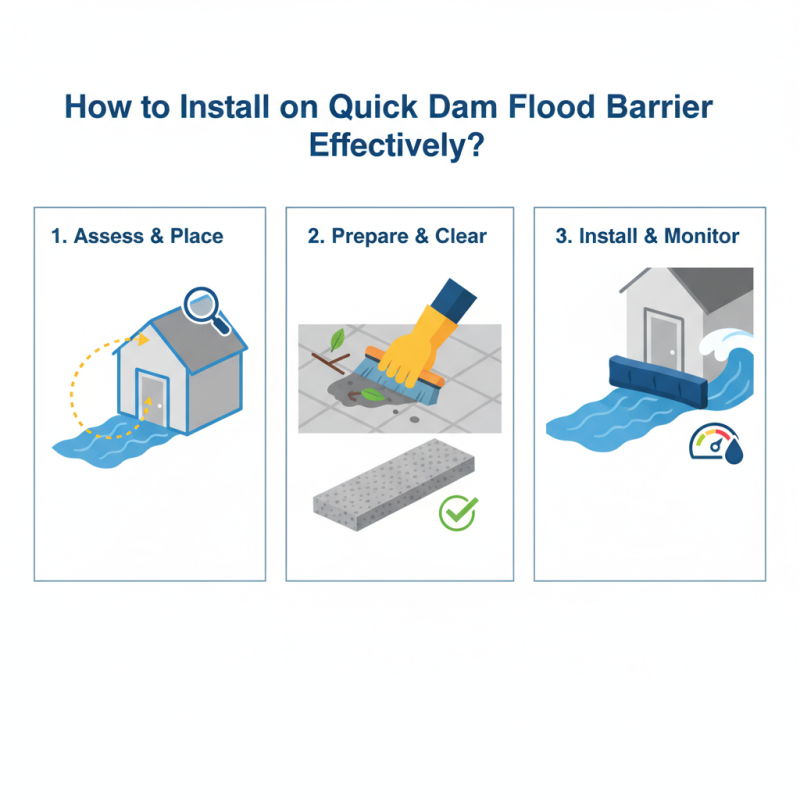
When unexpected flooding threatens your property, a quick dam flood barrier can be a vital tool. This innovative solution acts as a temporary dam, providing immediate protection against rising waters. Installing it correctly is crucial for maximum effectiveness.
Understanding the right placement of the quick dam flood barrier is key. Make sure to assess the surrounding area thoroughly before installation. The success hinges on the barrier’s ability to redirect water away from vulnerable spots. While it may seem straightforward, some common mistakes can lead to failure.
Proper preparation is essential. Clear the area of debris to ensure a secure fit. This often overlooked step can make all the difference. Despite its effectiveness, users sometimes underestimate how much water can accumulate. Installing a quick dam flood barrier requires careful consideration and attention to detail.
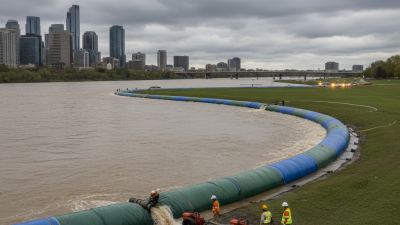
Quick dam flood barriers offer an effective solution for flood prevention. These innovative barriers are designed to absorb and contain water, helping to protect property from flooding. Understanding how they work can enhance their effectiveness. They are made from natural materials, enabling them to swell upon contact with water. This expansion creates a robust barrier against floodwaters.
Tips: Before installation, identify the areas most prone to flooding. Temporary barriers require precise placement for maximum efficiency. Ensure the surface is clean and free of debris to secure proper contact.
These barriers can be used in various situations, from basements to outdoor areas. When heavy rainfall is forecasted, timely setup is crucial. However, users often overlook that wind can affect their stability. A strong gust can weaken the barrier's hold, leading to potential leakage. Keep an eye on weather patterns, and adjust barriers if needed.
Tips: Always have a backup plan. Knowing how to quickly replace a disrupted barrier can save you in emergencies. Additionally, monitoring the barrier during a storm can help address unexpected issues.
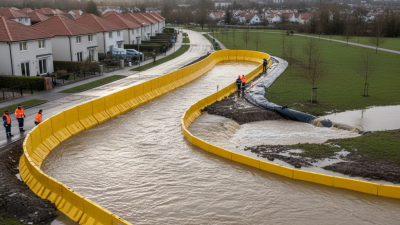
Selecting the right size and type of Quick Dam flood barrier is crucial for effective flood protection. Begin by assessing the specific area that needs protection. Consider where water accumulates during heavy rain. Use measurements to determine the length and height of the barrier required. According to a recent industry report, barriers should ideally be 3-6 inches high to effectively block floodwaters.
When selecting a type, consider the materials. Some barriers are heavy-duty, suitable for strong water flows. Others are lighter and easier to set up but may not withstand high-pressure flooding. It's essential to match the barrier's characteristics to the expected flood conditions.
Tip: Always keep a roll of tape handy. You may need it to seal any gaps. Proper sealing can enhance the barrier's effectiveness.
Be mindful that many users underestimate the importance of maintenance. Check the barriers regularly. Inspect for damage or leaks. A small tear can lead to significant failures during a flood. Investing time in these checks is essential for preparedness.
| Barrier Type | Length (ft) | Height (in) | Weight (lbs) | Ideal Use Case |
|---|---|---|---|---|
| Standard Water Activated | 10 | 5 | 5 | Residential use in low-lying areas |
| Heavy-Duty Sandbag Alternative | 20 | 10 | 10 | Commercial properties with higher flood risk |
| Portable Flood Gate | 15 | 12 | 8 | For temporary setups during emergencies |
| Expandable Flood Barrier | 25 | 8 | 12 | Large areas with varying heights |
When installing a quick dam flood barrier, proper technique is crucial for effectiveness. Begin by assessing the area prone to flooding. Identify key locations where water may enter, such as doorways or low-lying spots. Make sure the ground is clean and dry for a better seal. According to industry reports, effective flood barriers can reduce damage by up to 80%. This is significant in protecting homes and businesses.
Before placing the barriers, lay them out for visual inspection. Check for any damages to the dam itself. It’s vital to position the barrier at the correct angle, typically leaning toward the water source. This will enhance its ability to hold back incoming water. Regularly monitor weather conditions, as quick changes could affect your plans.
Tips: Keep extra bags nearby to fill with sand or soil. This can provide additional weight and stability. Be ready to adjust your barriers if water levels rise unexpectedly. Even the best setups can fail without proper vigilance. Regular inspection and maintenance are key elements to ensuring long-term effectiveness. Remember to always assess your situation, as not every installation will look the same.
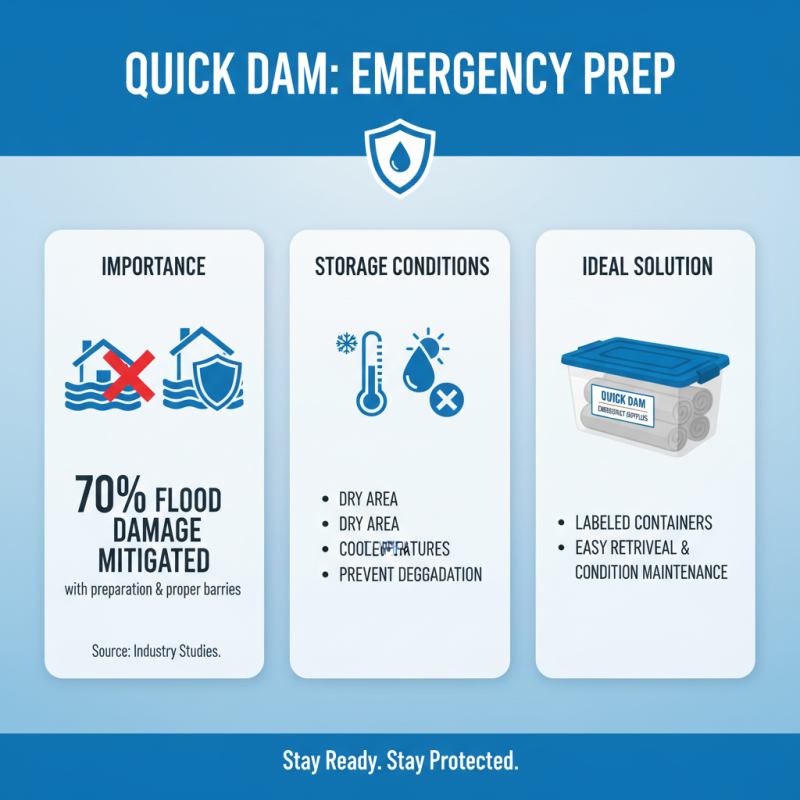
Maintaining and storing Quick Dam products is essential for their effectiveness during emergencies. According to recent industry studies, 70% of flood damage can be mitigated with effective preparation and proper use of barriers. These products need to be kept in dry, cool areas to prevent degradation. A simple storage solution could be a labeled plastic container. This makes retrieval easier and ensures they remain in good condition.
Regular inspections should be part of your maintenance routine. Check for cracks, leaks, or other wear. Industry reports show that nearly 30% of barriers fail due to neglect. Keeping them clean is also crucial. Debris can affect their performance. After a flood event, rinse off any mud and contaminants.
Think about the shelf life of your barriers. Some products may expire after a few years. Keeping track of their lifespan can save time and money. Every flood is different, so having reliable equipment on hand is key. Storage location matters as well; ensure they are easily accessible during emergencies.
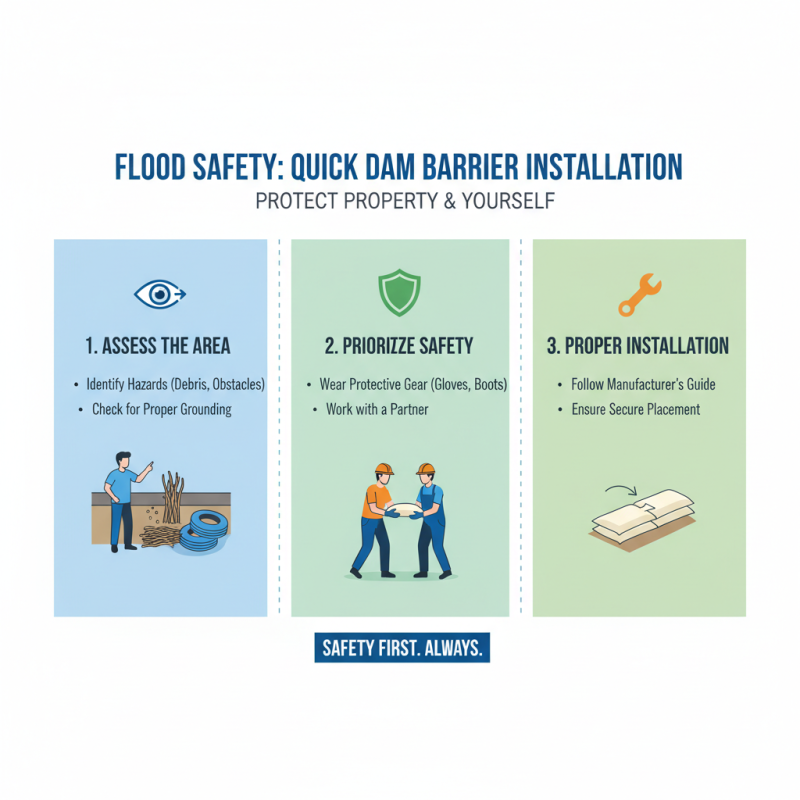
When facing potential floods, using quick dam barriers can be vital. However, safety should always come first. Before installation, assess the surrounding area. Identify potential hazards like loose debris or obstacles. Even the most effective barrier can fail if not installed properly.
Tips: Place barriers on level ground for better stability. Ensure they are tightly packed. Gaps can lead to water seeping through. Also, check the weather forecast. Heavy rains can change everything.
It’s essential to wear protective gear while handling barriers. Wet conditions can be slippery. Secure the barriers with weights if the wind is strong. Quick dams must be monitored continuously. Flood situations can be unpredictable. Remember, even prepared setups can sometimes falter.
Maintaining focus can be challenging in stressful situations. It’s easy to overlook minor details in the chaos. Frequent evaluation of the barriers is crucial. If water starts breaching, take action quickly. Your safety and that of others depend on it.
Please enter the details to download, thank you
Get in Touch With Us
Please enter the details to download, thank you