
Global buyers rarely choose a Foil Machine by appearance alone. A polished brochure can hide unstable feeding, excessive setup time, or weak after-sales support. The better question is practical: can the machine deliver consistent foil transfer across different materials, formats, and production volumes?
Frank Schaum, an executive associated with KURZ, has emphasized a useful principle: “The right foil process must balance visual impact, repeatability, and total cost.” This idea matters when comparing international suppliers. Buyers should examine stamping pressure, heating accuracy, foil-saving systems, registration control, and operator access. Spare-parts availability matters, too. A machine may perform well in a showroom, yet become costly when a small sensor requires weeks to replace.
This guide reviews leading Foil Machine suppliers for global buyers. It considers manufacturing experience, technical support, customization, certifications, and real production suitability. Suppliers with strong export records often provide clearer installation plans and better training. Still, reputation alone is not enough. Some brands may fit high-volume packaging plants, while others suit smaller printing workshops or specialized finishing lines.
A careful buyer should request sample tests using actual paper, film, board, or leather substitutes. Ask for cycle data. Ask about maintenance. Then compare the full ownership cost, not only the purchase price. No supplier is perfect. Even reliable equipment can disappoint when specifications are vague or local support is limited. This review aims to make those gaps visible before a major investment is approved.
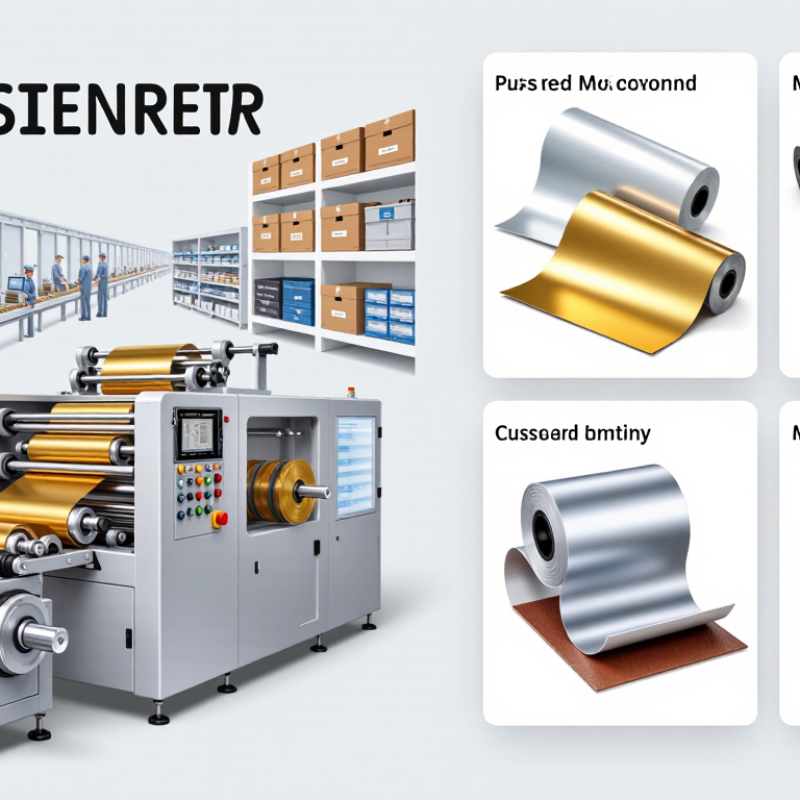
Foil machines serve different production goals. Hot stamping uses heat, pressure, and metalized foil to create sharp, reflective details. It suits cartons, labels, invitations, and premium covers. Cold foil transfers metallic effects through adhesive and inline printing. It supports high-speed decoration and smoother integration with flexographic or offset presses.
Laminating machines bond films to printed webs, improving barrier protection, stiffness, and surface durability. They are common in flexible packaging and label production. Grand View Research valued the global flexible packaging market at about $208.5 billion in 2024, with continued growth projected through 2030. This expansion increases demand for reliable finishing equipment, not merely attractive foil effects. Smithers’ report, The Future of Hot Foil Stamping to 2028, also identifies premium packaging and short-run customization as important growth areas.
Supplier evaluation should begin with material trials. Check foil adhesion, registration accuracy, waste levels, heating stability, and changeover time. Ask for results on the actual paper, film, ink, and adhesive combination. A machine may perform well in a showroom but struggle with thin film or textured stock. This happens.
For global buyers, service access matters as much as machine speed. Confirm spare-part availability, operator training, electrical compatibility, and remote troubleshooting. Cold foil can reduce heat-related risks, but adhesive control remains demanding. Laminating may improve durability, yet excessive tension can cause curling or wrinkles. The choice is rarely perfect. Production evidence should decide.
| Machine Type | Transfer or Bonding Method | Common Substrates | Typical Foil or Film Effects | Main Applications | Key Advantages | Important Buying Criteria |
|---|---|---|---|---|---|---|
| Hot Stamping Foil Machine Heat Pressure Die or Plate | A heated metal die or plate presses the foil against the substrate. Heat and pressure release the decorative or functional coating from the carrier film. | Paperboard, coated paper, plastics, leather, textiles, labels, and selected synthetic sheets. The substrate must tolerate the required temperature and pressure. | Metallic gold and silver, pigment colors, holographic effects, matte finishes, diffraction effects, and selected security foils. | Luxury packaging, book covers, greeting cards, labels, certificates, cosmetic cartons, pharmaceutical cartons, and promotional print. | Strong visual impact, precise image definition, high opacity on many substrates, and good suitability for premium short- and medium-run work. | Heating-zone stability, pressure consistency, die registration, foil-saving control, maximum sheet or web size, changeover time, and availability of compatible dies and spare parts. |
| Cold Foil Printing Unit Adhesive UV Curing Inline | A printed adhesive receives the foil, and the foil is laminated onto the adhesive before or during UV curing. No heated stamping die is normally required. | Paper, paperboard, pressure-sensitive label stock, and selected flexible packaging materials compatible with the printing and curing system. | Metallic and holographic effects, fine text, screened tones, gradients, and combined foil-and-ink graphic effects. | Labels, folding cartons, flexible packaging, magazines, commercial print, beverage labels, and high-volume decorative web printing. | High line productivity, efficient inline integration, fine detail reproduction, and the ability to combine foil with conventional or UV inks. | Adhesive compatibility, UV lamp output, web tension control, foil registration, anilox or coating system, waste rate, curing safety, and availability of qualified service support. |
| Foil Laminating Machine Thermal Film Pressure Roll-to-Sheet | A foil or decorative film is bonded to the substrate through a heated or pressure-sensitive adhesive layer. The process covers a broad surface instead of transferring only a die image. | Printed paper, paperboard, cartons, book covers, display boards, synthetic sheets, and selected films designed for lamination. | Full-surface metallic effects, soft-touch, gloss, matte, scuff-resistant, anti-scratch, and protective decorative finishes. | Book and magazine covers, premium packaging, menus, presentation folders, retail displays, signage, and protective print finishing. | Surface protection, improved durability, broad-area decoration, consistent coverage, and compatibility with many post-print converting operations. | Lamination temperature range, nip pressure, roller design, film thickness compatibility, wrinkle control, adhesive performance, sheet alignment, and trimming accuracy. |
| Digital Foil Transfer System Variable Data Toner or Ink No Plate | A digital image-forming layer, commonly toner or a specially formulated adhesive, selectively bonds the foil without a conventional stamping die. | Coated papers, specialty papers, labels, synthetic stocks, and substrates approved by the equipment manufacturer. | Metallic accents, personalized names, variable images, short-run holographic details, and mixed matte or gloss effects. | Personalized invitations, short-run packaging, photo products, marketing materials, prototypes, labels, and on-demand commercial print. | Fast job changes, no physical die production, economical variable data, and practical for prototypes and customized orders. | Digital press compatibility, toner or adhesive requirements, supported media list, image durability, foil waste, software workflow, and replacement consumable cost. |
| Hybrid Foil Finishing Line Combined Processes Inline Multi-Function | Combines two or more operations, such as printing, cold foil, hot foil, embossing, coating, or laminating, in one production workflow. | Paper, paperboard, labels, flexible packaging webs, synthetic sheets, and other materials supported by the integrated modules. | Layered metallic effects, embossing, spot coatings, tactile finishes, holographic effects, and protective laminates. | Premium cartons, high-end labels, security print, luxury publishing, branded promotional materials, and complex decorative packaging. | Reduced handling, improved registration between operations, shorter production flow, and broader finishing capability from one line. | Module compatibility, control-system integration, registration accuracy, operator training, maintenance access, line balancing, safety certification, and total lifecycle cost. |
Note: Actual productivity, substrate range, foil compatibility, and finished quality depend on machine configuration, material specifications, artwork complexity, operator settings, and production conditions. Buyers should request application samples and a complete technical specification before placing an order.