Top 10 Flood Gates You Should Consider for Your Projects?

Flood gates play a critical role in managing water flow and preventing floods. They are essential for both residential and commercial projects. Choosing the right flood gates ensures safety and protects properties from water damage.

In this article, we explore the top 10 flood gates available today. Each option is examined for its efficiency, durability, and design. It's important to consider the specific needs of your project. While many flood gates excel in function, their installation can often pose challenges.

Understanding these flood gates helps in making informed decisions. Reliability is key, and selecting the right type can prevent future issues. Flood gates come in various materials and sizes, each catering to different environments. Finding the best solution may require some reflection and research.
Top 10 Flood Gates You Should Consider for Your Projects?

Introduction to Flood Gates and Their Importance in Engineering Projects

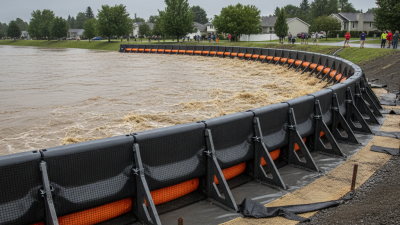
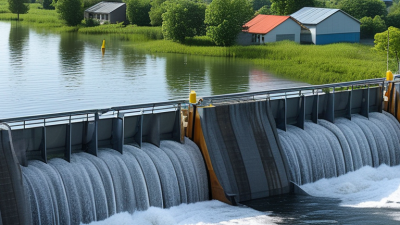
Flood gates play a crucial role in managing water flow. They are essential in projects aimed at controlling flooding and protecting infrastructure. Engineers often integrate these gates into designs to enhance safety and resilience. Flood gates help prevent property damage and ensure public safety during heavy rainfall or rising water levels.

Incorporating effective flood gates is not always straightforward. Engineers must consider various factors, such as location, environment, and potential flood risks. Each project presents unique challenges. For instance, a gate that works well in one setting may not be suitable for another. This inconsistency highlights the need for a thorough assessment of each situation.

Furthermore, the materials used in flood gates can affect their performance. Not all materials withstand extreme conditions, and this can lead to failures. Engineers must stay informed about advancements in technology and materials to improve reliability. Being aware of these complexities is vital for successful project outcomes. It’s a continuous learning process in the field of civil engineering.

Top 10 Flood Gates You Should Consider for Your Projects

Gate Type Material Height (m) Width (m) Weight (kg) Application Area
Hydraulic Flood Gate Steel 5 3 1200 Rivers, Lakes
Sliding Gate Aluminum 4 2 800 Urban Areas
Swing Gate Fiberglass 6 2.5 1000 Coastal Regions
Flap Gate Stainless Steel 3 1.5 600 Drains, Canals
Culvert Gate Concrete 4.5 3 1500 Rural Drainage
Temporary Flood Barrier PVC 2 1 50 Event Sites
Tide Gate Aluminum 3 2 700 Marshlands
Weir Gate Wood 5 2 900 Reservoirs
Barrier Gate Composite 2.5 1.8 400 Flood Zones

Factors to Consider When Selecting Flood Gates for Your Project

When selecting flood gates for your project, various factors come into play. Start with the environment where the gates will be installed. You need to assess the flood risk level in the area. Look for data on historical flooding trends. Knowing the maximum expected water levels is crucial. This information helps you choose gates that can handle extreme conditions.

Another important aspect is the gate's material. Options include steel, aluminum, and composite materials. Each has its own durability and maintenance needs. Think about corrosion resistance, especially in coastal areas. The ease of operation is also a key consideration. Some gates operate manually, while others are automated. Your project timeline and user expertise will impact this choice.

The design is not just about functionality; it also needs to fit the landscape. Bulkiness may not be visually appealing. Seek a balance between effectiveness and aesthetics. Remember that installation and long-term maintenance should also be factored into your decision. Sometimes, the optimal choice may require a bit of compromise. Be open to re-evaluating your priorities as you analyze the available options.

Overview of the Top 10 Flood Gates Available on the Market

Flood gates play a crucial role in preventing water damage during heavy rainfall or flooding. A recent study by the American Society of Civil Engineers indicates that effective flood management can reduce property damage by up to 50%. This statistic underscores the importance of selecting the right flood gate for your project.

Various types of flood gates are available, each designed for specific applications. For instance, sliding gates work well for large openings, while gravity gates are ideal for smaller channels. Based on a report from the National Flood Insurance Program, over 30% of flood damage occurs in areas outside of flood zones. This data highlights the urgency for homeowners and builders to consider flood gates, even in seemingly safe locations.

The installation process varies according to gate types, which can complicate decision-making. Some gates require more maintenance than others. According to industry predictions, the global flood gate market is expected to grow by 6% annually through 2025. This growth reflects increased awareness regarding flood risks and the need for reliable protection. Inadequate knowledge about the available options could lead to costly mistakes.

Top 10 Flood Gates Comparison

Comparative Analysis of Flood Gate Materials and Their Durability

When considering flood gates for your projects, material choice significantly impacts durability. Common materials include steel, aluminum, and composite options. Steel is robust but prone to rust without proper treatment. Aluminum, although lightweight, can bend under extreme pressure. Composite materials promise resilience but may be costly. Each material offers distinct strengths and weaknesses.

Tips: Regular maintenance is crucial. Check for signs of wear and tear. Rust on steel should be addressed promptly to prolong lifespan.

Durability also depends on design. Flood gates with multiple seals perform better. Consider automated systems for large areas. They provide quick deployment in emergencies. However, these systems require reliable power sources, which can be a potential vulnerability.

Tips: Evaluate the environment where the gate will be installed. Coastal areas may need different materials than riverbanks. Conduct thorough testing before installation. This can uncover unexpected weaknesses.

Maintenance and Installation Tips for Optimal Flood Gate Performance

Proper maintenance of flood gates is crucial for their performance. Regular inspections can help detect issues before they escalate. Look for cracks, rust, or debris buildup. These factors can impede the gate's function. Cleaning both the gate and surrounding area is essential. Ensuring there is no obstruction will facilitate smoother operation during heavy rains.

Installation is equally important. Follow instructions carefully to ensure your flood gate fits perfectly. Pay attention to the level and alignment. An improperly installed flood gate may fail under pressure. Consider the earth movement and rise in water levels. These factors can affect the gate's integrity over time.

Documentation of maintenance and installation processes can be beneficial. Tracking repairs can guide future work. Engaging a professional for installation will likely yield better results. An expert can provide insights you might miss. Regularly review your flood gate performance to ensure readiness for any storm. Reflections on past issues can inform better practices moving forward.