Top Flood Pump Options for Effective Water Management Solutions?

Flooding can cause significant damage to homes and businesses. In response, many seek effective flood management solutions. One of the most viable options is a flood pump. These pumps are designed to manage excess water efficiently.

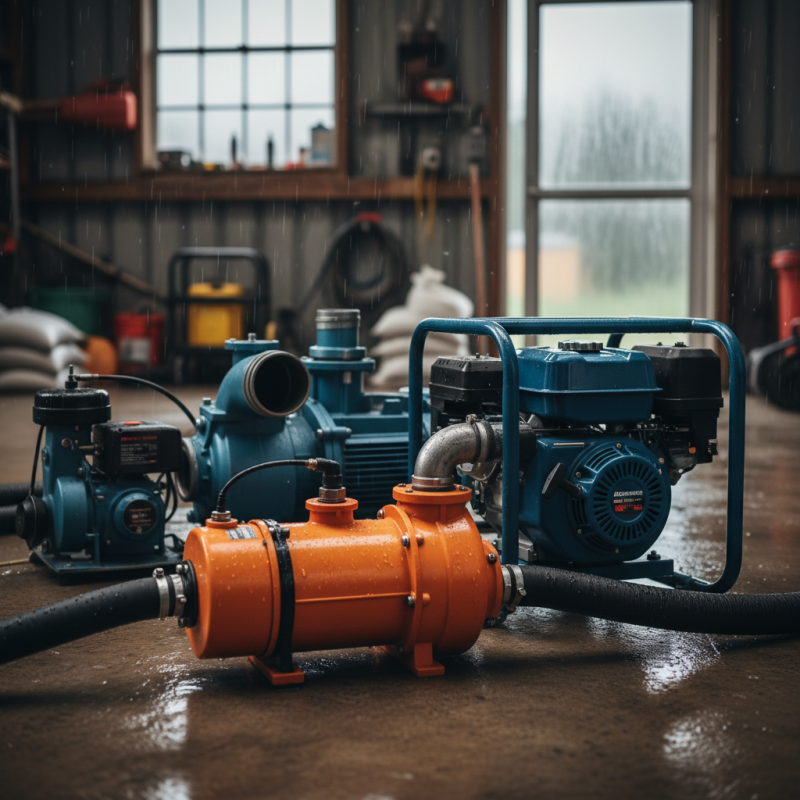
Various flood pump options are available today, catering to different needs. Some models focus on residential use, while others are suitable for commercial properties. Choosing the right flood pump involves assessing the specific needs of your property. Consider factors such as water flow rate, power source, and durability.

Selecting a flood pump is not always straightforward. Misjudgments in capacity can lead to inadequate water removal. Additionally, relying solely on electric pumps can be risky during power outages. It's essential to understand these factors to ensure reliable performance when it matters most.
Top Flood Pump Options for Effective Water Management Solutions?

Key Factors to Consider When Choosing a Flood Pump

Top Flood Pump Options for Effective Water Management Solutions?

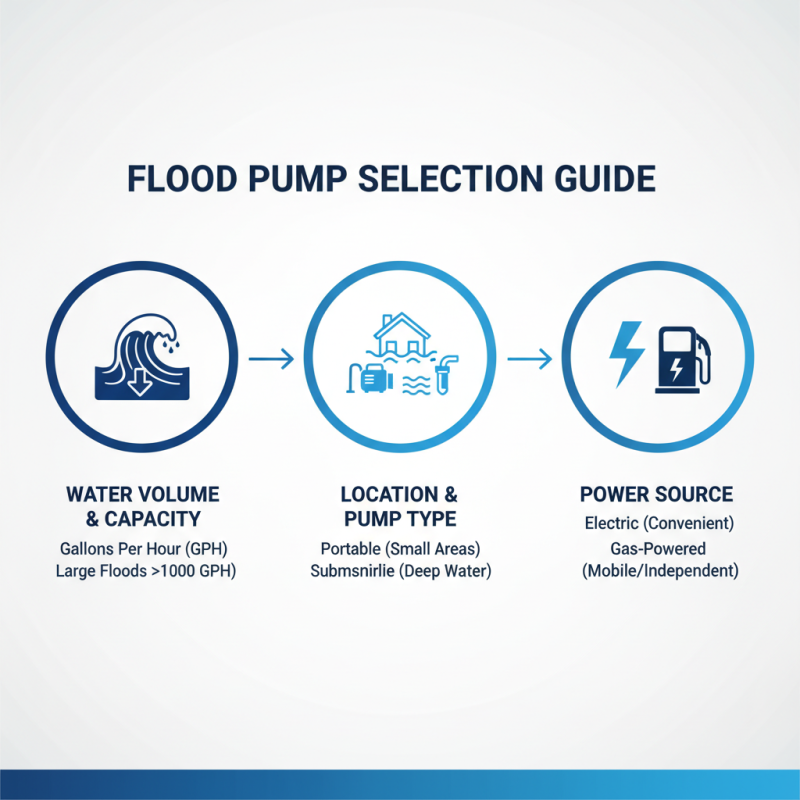
When selecting a flood pump, several key factors come into play. The pump's capacity to handle water volume is crucial. Larger floods require pumps that can move thousands of gallons per hour. Consider the location of use. A portable pump may suffice for small areas, while a submersible pump is often better for deeper water. Pay attention to the pump's power source as well. Electric pumps are convenient, but gas-powered options offer greater mobility and independence.

Durability is another important aspect. Look for pumps made with corrosion-resistant materials. A robust design helps ensure long-term performance in tough conditions. Also, think about the ease of maintenance. Pumps that are straightforward to clean and repair will save time and resources. Noise levels can impact user satisfaction too. Some designs operate more quietly than others, which can be a deciding factor for residential use.

Sometimes, budget constraints lead to compromises. A lower-priced pump may not function effectively under heavy load. Research and reviews can illuminate common problems faced by users. Understanding the total cost of ownership is essential. It’s not just about purchase price. Consider energy consumption and maintenance costs over time. Relying solely on online ratings can mislead, as individual experiences vary widely. Be prepared to ask local experts for advice.
Types of Flood Pumps and Their Unique Applications

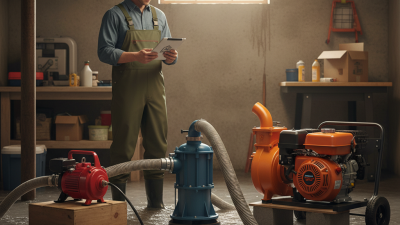
Flood pumps come in various types, each designed for specific applications. Submersible pumps are a popular choice for residential areas. They can operate underwater and efficiently handle large volumes of water. These pumps are ideal for flooded basements or heavy rainfall situations. Their ability to fit into tight spaces makes them versatile and practical.

Another type is the diaphragm pump. This pump is effective for transferring water with solids and debris. It is often used in construction sites or areas with muddy conditions. These pumps can run dry without damage, which adds to their reliability in challenging environments. They offer great control over the flow rate, making them suitable for various tasks.

Trash pumps are built to handle everything from wastewater to storm runoff. They can manage larger solids without clogging. These pumps are essential for emergency situations when dealing with severe flooding. However, their noise levels can be a concern, and they require regular maintenance. It's vital to assess the specific needs of your situation before choosing a pump type, as each has strengths and weaknesses.

Top Flood Pump Options for Effective Water Management Solutions

Assessing Pump Capacity and Flow Rates for Optimal Performance

Top Flood Pump Options for Effective Water Management Solutions?

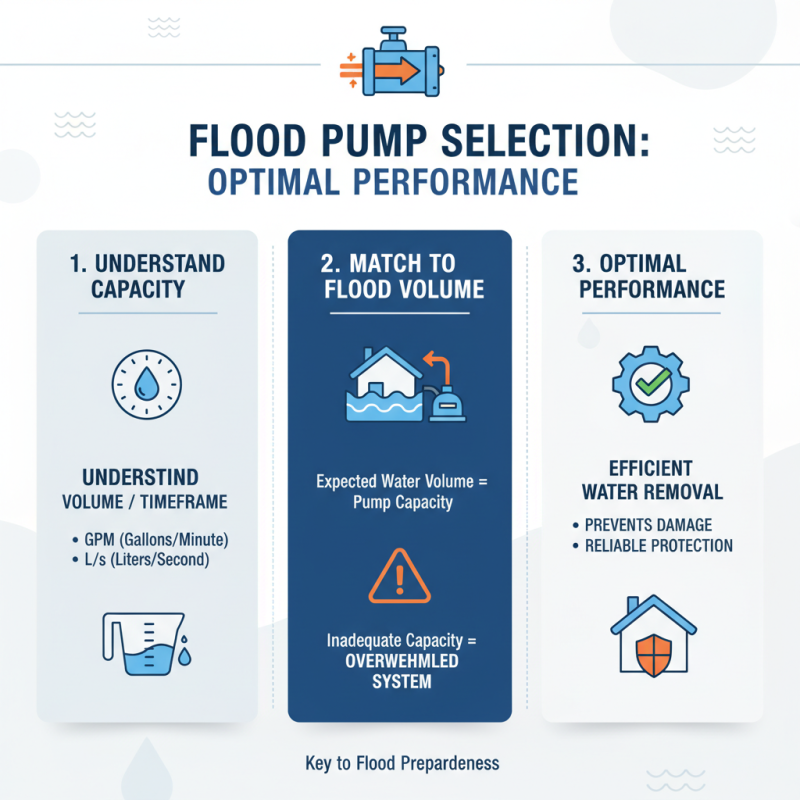
When choosing a flood pump, understanding pump capacity and flow rates is critical. A pump’s capacity typically refers to how much water it can move in a specific timeframe. This measurement is often expressed in gallons per minute (GPM) or liters per second (L/s). It’s crucial to match the pump’s capacity to the expected water volume from potential flooding. Inadequate capacity can lead to overwhelmed systems.

Flow rates also play a pivotal role in performance. A higher flow rate allows for faster removal of water. However, it is not always about speed. Sometimes a slower flow rate might be more efficient. Factors like the size of the area needing drainage and the nature of the water source must be considered.

Many overlook the importance of these specifications. In some cases, users may prefer stronger pumps without truly assessing their needs. This can lead to inefficient water management. Choosing a pump should involve careful calculations. Think about the specific conditions you may face. Consider potential future scenarios as well.

Additional Features to Enhance Flood Pump Efficiency

When considering flood pump options, additional features can greatly enhance efficiency. Automatic shut-off systems are vital. They prevent damage by ceasing operation when water levels drop. This feature not only protects the pump but also conserves energy. A reliable float switch ensures automatic activation, making the pump easy to use. Users appreciate the convenience of hands-free operation.

Another valuable feature is the presence of a durable, corrosion-resistant casing. This extends the lifespan of the pump. A robust design withstands harsh environmental conditions. Furthermore, some pumps offer a dual-port discharge. This flexibility allows users to redirect water based on specific needs. It enhances efficiency while managing water in various landscapes.

Investing in advanced filtration is also beneficial. Fine filters prevent debris from clogging the system. This improvement leads to smoother operation and less maintenance. Despite these options, feedback suggests that some users overlook basic elements. Regular inspections can prevent unexpected failures. It's essential for optimal performance. Understanding how to use these pumps effectively can guarantee a reliable water management solution.

Top Flood Pump Options for Effective Water Management Solutions

Pump Type Max Flow Rate (GPM) Max Lift Height (ft) Power Source Weight (lbs) Additional Features
Submersible Pump 4000 25 Electric 30 Automatic Float Switch
Trash Pump 3000 20 Gasoline 75 Heavy-Duty Construction
Diaphragm Pump 1500 15 Electric 25 Self-Priming
Pressure Pump 2000 30 Electric 40 Variable Speed Control
Centrifugal Pump 5000 40 Electric 55 Energy Efficient Motor

Maintenance Tips for Longevity and Reliability of Flood Pumps

Flood pumps are vital for effective water management, but their longevity depends on proper maintenance. Regular inspections can prevent unexpected failures. Checking hoses and connections weekly helps identify wear or leaks early. If you notice any moisture, it’s time to replace that part.

Cleaning the pump thoroughly is essential. Debris can clog the intake and reduce efficiency. Use a soft brush to remove dirt and sediment. Additionally, ensure the pump is stored in a dry, clean area when not in use. Corrosion can shorten its lifespan significantly.

Routine oil changes for lubricated pumps cannot be overlooked. This simple task can improve performance. Seasonal maintenance checks are wise. Look for signs of rust or worn components. Addressing these issues proactively will save time and costs later. A well-maintained flood pump serves you better when you need it most.