
In the world of construction and drilling, understanding the nuances of Hydraulic Rotary Drilling Rigs is crucial. As Joe Anderson, a seasoned drilling engineer, aptly stated, "Selecting the right rig can make or break a project." This highlights the importance of informed decision-making when it comes to these complex machines.
Hydraulic Rotary Drilling Rigs are not just tools; they are vital assets in drilling operations. Buyers need to grasp the technical specifications, pricing, and applications of these rigs. Each rig comes with distinct features tailored to specific projects. The choice of a rig can depend on various factors, such as soil type and drilling depth.
However, not all buyers conduct thorough research. Some may focus solely on the initial cost, overlooking long-term benefits. The risk of choosing an unsuitable rig is significant. It can lead to costly delays and unexpected complications. Buyers must engage with industry experts and review case studies. This due diligence is essential for making an informed purchase that aligns with project requirements.
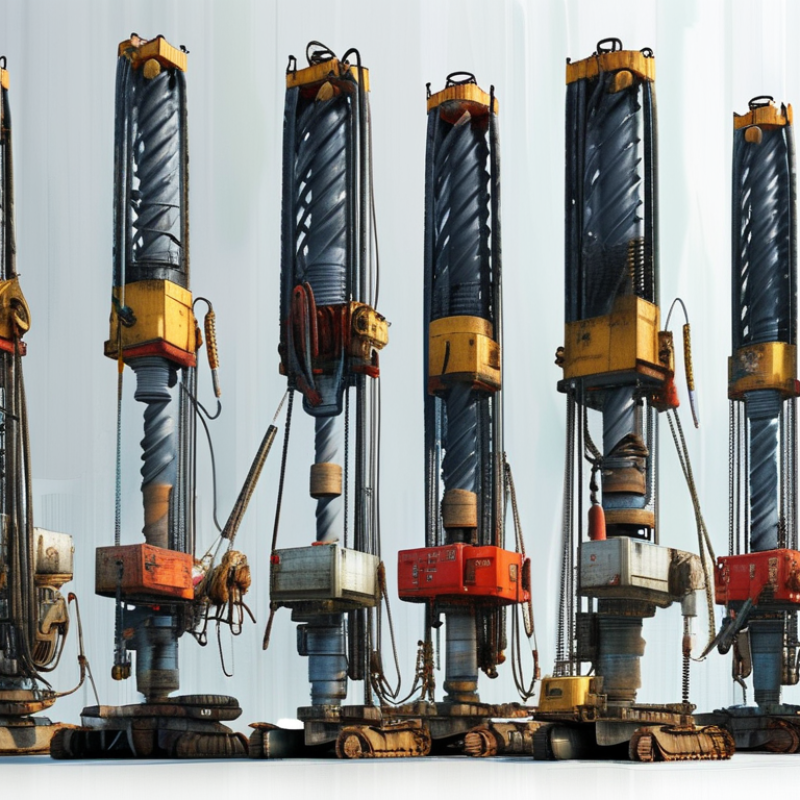
Hydraulic rotary drilling rigs play a vital role in various industries, including construction and natural resource extraction. These rigs offer versatility, efficiency, and improved safety compared to traditional methods. According to a recent industry report, the global hydraulic rotary drilling rig market is expected to reach $12 billion by 2025, growing at a CAGR of 5.2%. Understanding the components and mechanics of these rigs is essential for buyers.
Key features include the rotary table, hydraulic system, and drill string. The rotary table provides the necessary rotational force, while the hydraulic system controls the rig's movement and pressure application. Drill strings consist of multiple rods that transfer both torque and weight to the drill bit. Buyers should note that different rig types are designed for varying depths and soil conditions. It’s crucial to compare specifications and performance data to find the right fit.
Tip: Always evaluate the operational efficiency of the rig. High fuel consumption can significantly increase your overall costs.
Despite advancements, challenges remain. Maintenance is integral to rig performance. Failure to address wear and tear can lead to costly downtimes. Tracking maintenance schedules prevents unexpected outages and enhances rig lifespan.
Tip: Consider investing in training for your operators. Proper training reduces errors and improves overall productivity.
When choosing hydraulic rotary drilling rigs, several key features should be in your consideration. Firstly, the rig's power and efficiency are crucial. A robust hydraulic system can significantly enhance drilling performance. Look for rigs with high torque and rotary speed for better penetration in various soil types.
Another important aspect is the rig's mobility. Consider how easily the rig can be transported to different job sites. A compact, mobile rig can save time and costs during setup. Weight and overall dimensions affect accessibility in remote locations, making this an essential factor.
Safety features should never be overlooked. Rigs equipped with emergency shutoff systems and proper shielding can prevent accidents. Regular maintenance and support services are vital to ensure reliability over time. However, many buyers ignore maintenance costs in their budget, leading to issues later on. It's a point worth reflecting on during the purchasing decision.
This chart displays the key features of the top 10 hydraulic rotary drilling rigs that buyers should consider, including drilling depth, maximum torque, and operational weight.
Hydraulic rotary drilling rigs are essential for various industries, including construction and mining. Understanding the different types can help buyers make informed decisions. There are several key categories of hydraulic rotary drilling rigs. The most common types include top drive rigs, direct pull rigs, and dual rotary rigs. Each type serves different purposes and comes with unique advantages.
Top drive rigs are known for their efficient drilling capabilities and improved safety features. They provide better torque and control, allowing for deep hole drilling. Direct pull rigs, on the other hand, are popular for their simplicity and cost-effectiveness. They are often used in medium-depth applications. Dual rotary rigs combine the benefits of both top drive and direct pull systems, making them versatile for various projects.
Tips:
In the dynamic world of hydraulic rotary drilling, understanding key manufacturers is crucial for buyers. Many brands dominate this market, each with unique features and technologies. Not all brands deliver the same quality or performance, so it's essential to evaluate their reputations carefully. Reliability is often tied to user feedback and long-term performance. Researching engineering reports will help in assessing effectiveness.
Drilling rigs come in various designs, tailored for different applications. Some models excel in tough terrains while others focus on efficiency. There’s a significant variation in price, often reflecting the technology and materials used. Buyers should consider the maintenance and support provided by each brand. This aspect can greatly influence operational costs over time.
Not every manufacturer provides clear information about their rigs. This lack of transparency can lead to confusion. Buyers may not always recognize the importance of technology trends and innovations in their purchasing decisions. Understanding the market landscape and technological advancements is vital for making informed decisions. Trustworthy sources and expert opinions can guide potential buyers through this process.
Selecting the right hydraulic rotary drilling rig requires careful consideration. Begin by evaluating the specific requirements of your project. Assess factors like soil conditions, depth requirements, and expected drilling speed. Each project is unique, making it vital to match the rig capabilities with your needs.
Expertise in hydraulic systems is also essential. Familiarize yourself with the various types of hydraulic drill rigs available. Consider the power, torque, and stability of each option. Strong hydraulic systems offer efficiency but can increase costs. Don't be afraid to question manufacturers about their technology. Transparency is crucial for reliability.
Seek feedback from previous users. Their experiences can provide valuable insights. Sometimes, what may seem perfect on paper falls short in the field. Conduct thorough research and not rush into decisions. Take time to compare different models and their performance metrics. A well-informed choice leads to project success.
| Model | Max Depth (meters) | Weight (tons) | Power (kW) | Features |
|---|---|---|---|---|
| Rig A | 150 | 35 | 250 | Automated drilling, high torque |
| Rig B | 180 | 40 | 300 | Compact design, efficient fuel usage |
| Rig C | 200 | 50 | 400 | GPS navigation, enhanced stability |
| Rig D | 220 | 45 | 350 | Multi-functional, easy transport |
| Rig E | 160 | 30 | 225 | User-friendly interface, low maintenance |
Please enter the details to download, thank you
Get in Touch With Us
Please enter the details to download, thank you