In the face of increasing climate change and unpredictable weather patterns, homeowners are more concerned than ever about flood risks. With the rising frequency of flooding events, it is essential to explore effective solutions for safeguarding properties. According to Dr. Emily Tanner, a leading expert in flood mitigation strategies, “Investing in residential flood barriers not only protects your home but also provides peace of mind to homeowners during storm seasons.”
Residential flood barriers come in various forms and are designed to create a resilient line of defense against encroaching water. These essential tools can drastically reduce the risk of flood damage, allowing homeowners to feel secure in their choice to protect their investment. As we delve into the top 10 residential flood barriers available, we will explore their features, benefits, and recommendations to help you make an informed decision that best suits your home and needs. In an era where preparation can make all the difference, understanding the options in residential flood barriers is vital for every homeowner looking to enhance their flood resilience.
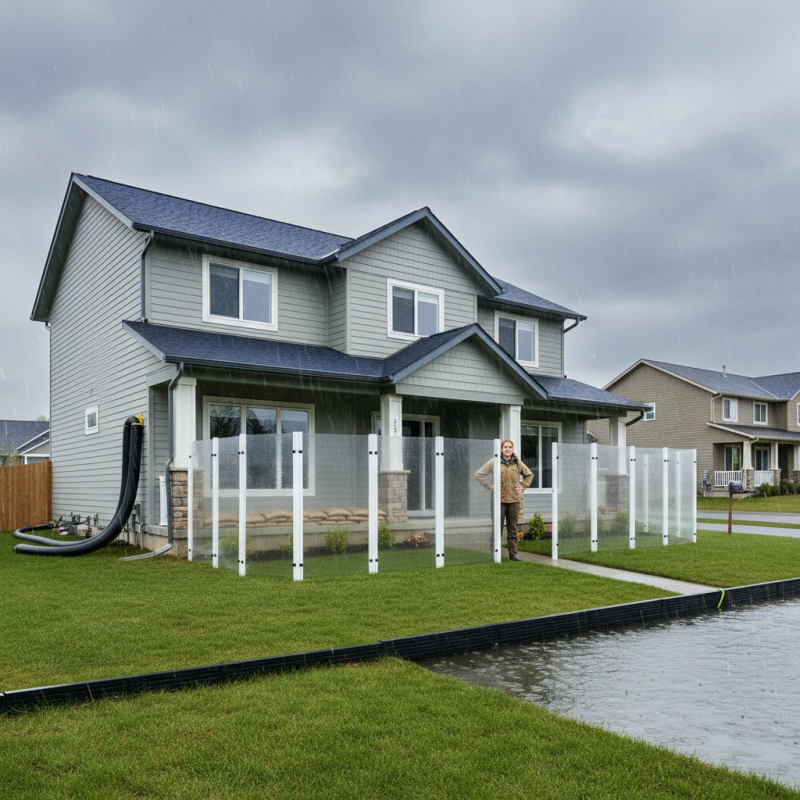
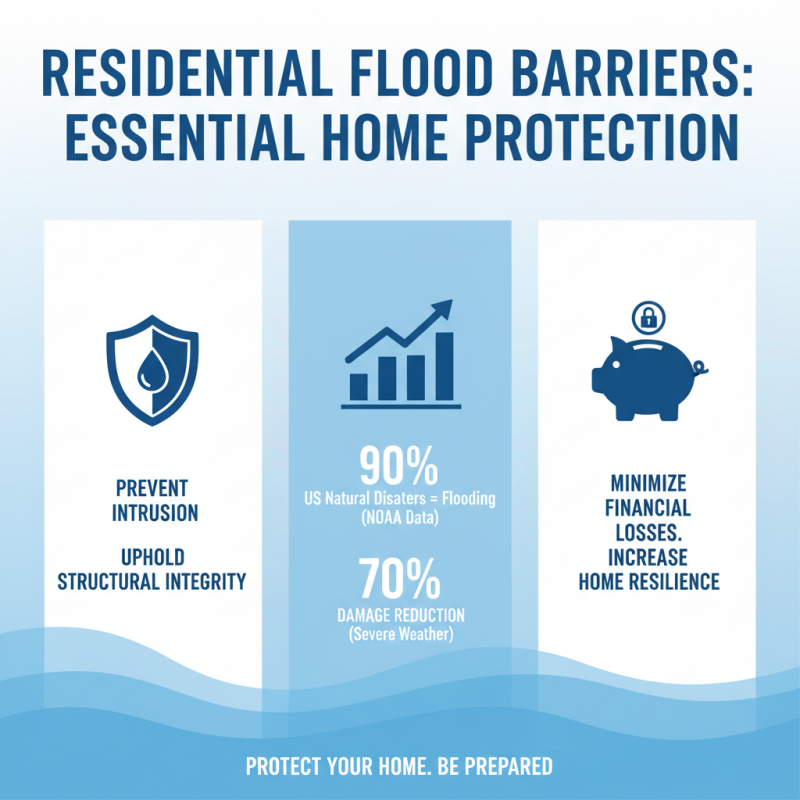
Residential flood barriers play a crucial role in protecting your home from the devastating effects of flooding. With data from the National Oceanic and Atmospheric Administration (NOAA) indicating that nearly 90% of natural disasters in the U.S. involve flooding, the need for effective flood protection is more pressing than ever. These barriers not only prevent water intrusion but also safeguard your property’s structural integrity and minimize financial losses during flood events. Research shows that homes equipped with flood barriers can experience damage reductions of up to 70% compared to those without during severe weather conditions.
One important tip for homeowners is to assess the specific flood risks based on their geographical location. Understanding local weather patterns and flood zones can significantly inform the type of barriers that are appropriate for your home. Additionally, it's vital to regularly maintain and inspect these barriers to ensure they function effectively when needed. You might also want to consider community flood management efforts, as they often provide resources and support for installing and maintaining residential barriers.
Another consideration is to combine various types of barriers for optimal protection. For instance, utilizing a combination of temporary and permanent solutions can create a comprehensive defense system against flooding. Look into the latest flood protection technology and materials that are lightweight yet durable, as advancements in these areas continue to enhance the effectiveness of residential flood barriers.
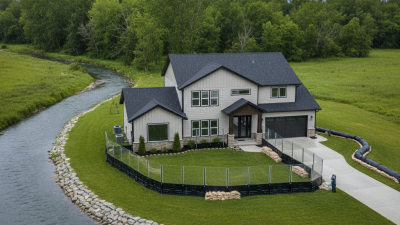
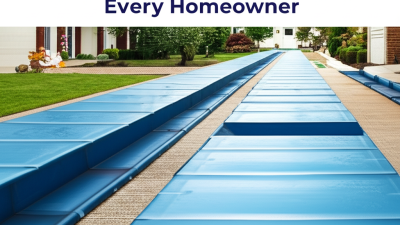
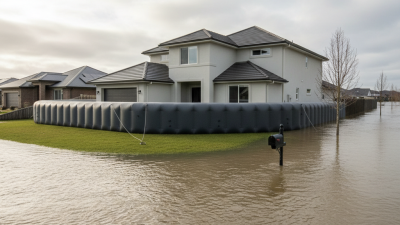
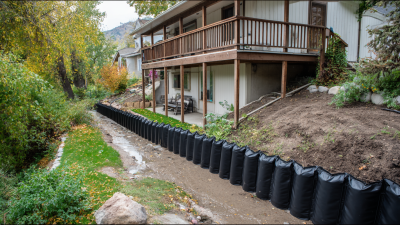
When it comes to protecting your home from flood damage, understanding the various types of residential flood barriers available is essential. Flood barriers generally fall into two main categories: temporary and permanent solutions. Temporary barriers, such as sandbags and inflatable dams, can be quickly deployed during a flood event. They offer flexibility, allowing homeowners to adapt to changing weather conditions. Sandbags, while effective, require a certain level of manual labor, and their effectiveness can diminish over time if not properly maintained. Inflatable dams, on the other hand, are increasingly popular for their ease of use and quick setup, making them ideal for urgent situations.
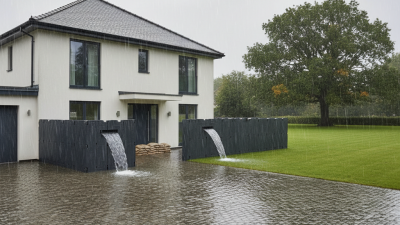
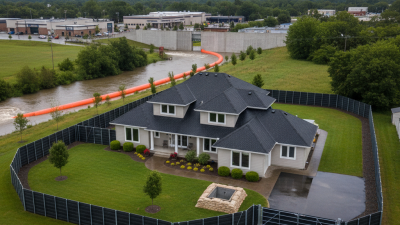
Permanent flood barriers, like levees and flood walls, offer a more long-term solution to flood protection. These structures can be built around properties to divert water effectively, reducing the risk of flooding during severe weather events. While they require significant investment and might involve complex installation processes, their durability and reliability provide peace of mind for homeowners in flood-prone areas. Additionally, newer designs in permanent barriers incorporate designs that blend with landscape aesthetics, ensuring that they do not compromise the visual appeal of the home. By understanding these options, homeowners can make informed decisions about the best flood protection solutions for their specific needs.
When selecting an effective flood barrier for residential protection, there are several key features to consider. First and foremost, durability and material strength are critical. According to a report by the National Flood Insurance Program, homes equipped with robust barriers can reduce flood damage by up to 80%. Look for barriers made from resilient materials such as aluminum or reinforced plastic, which can withstand not only water pressure but also the impact of debris during turbulent flood conditions.
Another important feature is ease of installation and deployment. Many homeowners may not have the luxury of time when a flood is imminent. Quick-deploy systems that can be set up in minutes are advantageous. The Federal Emergency Management Agency (FEMA) recommends barriers that can be operated by a single person without specialized tools. This independence can make a significant difference in ensuring timely protection for your property.
Tip: Before purchasing, consider conducting a flood risk assessment on your property. This will help you determine the height and type of barriers needed, as different zones may require tailored solutions. Additionally, always check for local regulations or community standards regarding flood defenses, as compliance can play a vital role in their effectiveness. Investing in the right flood barrier not only protects your home but also provides peace of mind in the face of unpredictable weather patterns.
| Barrier Type | Height (ft) | Material | Ease of Installation | Reusability | Price Range ($) |
|---|---|---|---|---|---|
| Inflatable Barrier | 3 | PVC | Easy | Yes | 250-400 |
| Modular Barrier | 4 | Aluminum | Moderate | Yes | 600-800 |
| Sandbag Barrier | 2 | Fabric | Difficult | No | 100-200 |
| Temporary Barrier | 3 | Steel | Easy | Yes | 400-700 |
| Permanent Barrier | 6 | Concrete | N/A | Yes | 1000-1500 |
| Flexible Barrier | 5 | Vinyl | Moderate | Yes | 300-600 |
| Rigid Barrier | 4 | Fiberglass | Difficult | Yes | 500-900 |
| Hydraulic Barrier | 5 | Metal | Moderate | Yes | 800-1200 |
| Eco-Friendly Barrier | 4 | Bamboo | Easy | Yes | 200-350 |
| Smart Barrier | 5 | Plastic Composites | Easy | Yes | 400-800 |
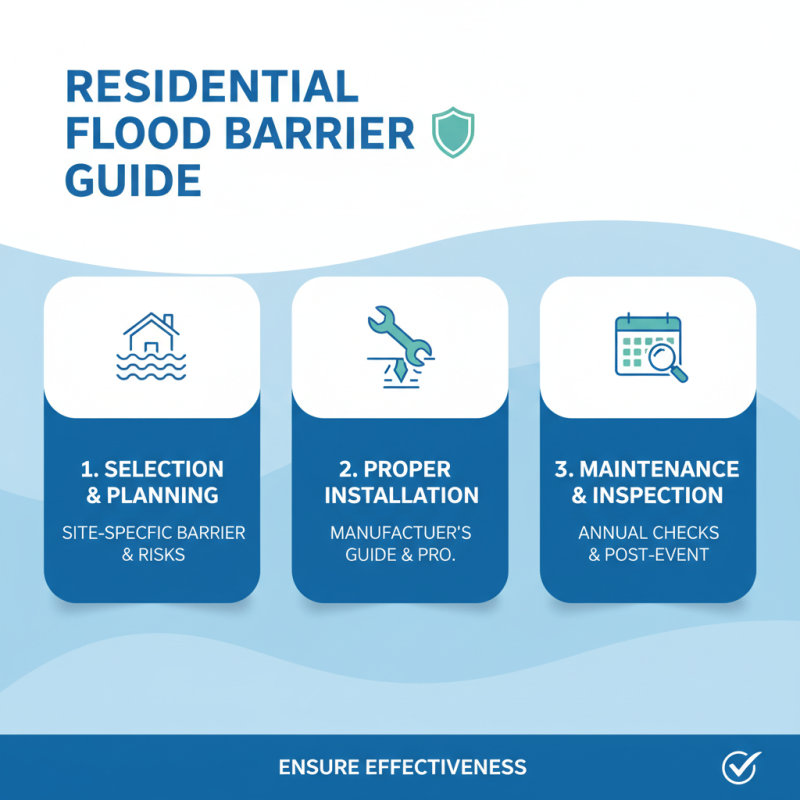
When considering the installation of residential flood barriers, homeowners should prioritize proper preparation and maintenance to ensure effectiveness. Firstly, select a site-specific flood barrier that suits your home’s layout and typical flood risks. Proper installation is crucial; make sure to follow the manufacturer's guidelines or consult with a professional to avoid common pitfalls, such as improper sealing or inadequate anchorage. It’s also essential to conduct an annual inspection to assess any wear or damage, especially after significant weather events.
Maintenance is equally important to ensure that flood barriers remain functional when needed most. Regularly check for any debris or blockages that could hinder the barrier’s performance during a flood. Additionally, keep the surrounding area clear to facilitate rapid deployment if necessary. Homeowners should consider creating a maintenance schedule to routinely clean and inspect both the barriers and their surroundings. This proactive approach not only helps in maintaining the barriers' integrity but also provides peace of mind during storm season.
When it comes to safeguarding your home against potential flood damage, choosing the right flood barrier is crucial. A comparative analysis of the top flood barrier products reveals significant differences in effectiveness, design, and ease of installation. According to a recent report by the National Flood Insurance Program, approximately 90% of all natural disasters in the U.S. involve flooding, emphasizing the need for adequate protection. The report also indicates that homes without proper flood barriers are at a higher risk of incurring damages exceeding $30,000 on average, underscoring the importance of investing in reliable solutions.
When comparing products, key factors such as height, material durability, and deployment mechanisms should be carefully considered. Studies show that barriers with a proven height of at least 3 feet are essential for effective protection against moderate flooding scenarios, while those with advanced materials can withstand more intense weather events. Additionally, ease of installation is paramount; products that require minimal tools and labor not only save time but also reduce the likelihood of mistakes during setup. An effectiveness review from a leading construction safety organization indicates that flood barriers with user-friendly designs have seen a 40% increase in adoption rates compared to more complex options. By making informed choices based on comparative analyses, homeowners can significantly enhance their flood resilience and reduce the financial impacts associated with flood damage.
Please enter the details to download, thank you
Get in Touch With Us
Please enter the details to download, thank you