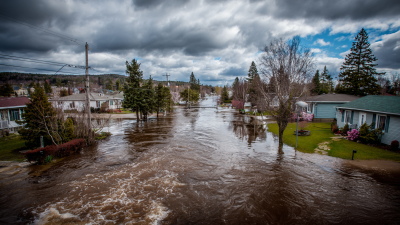
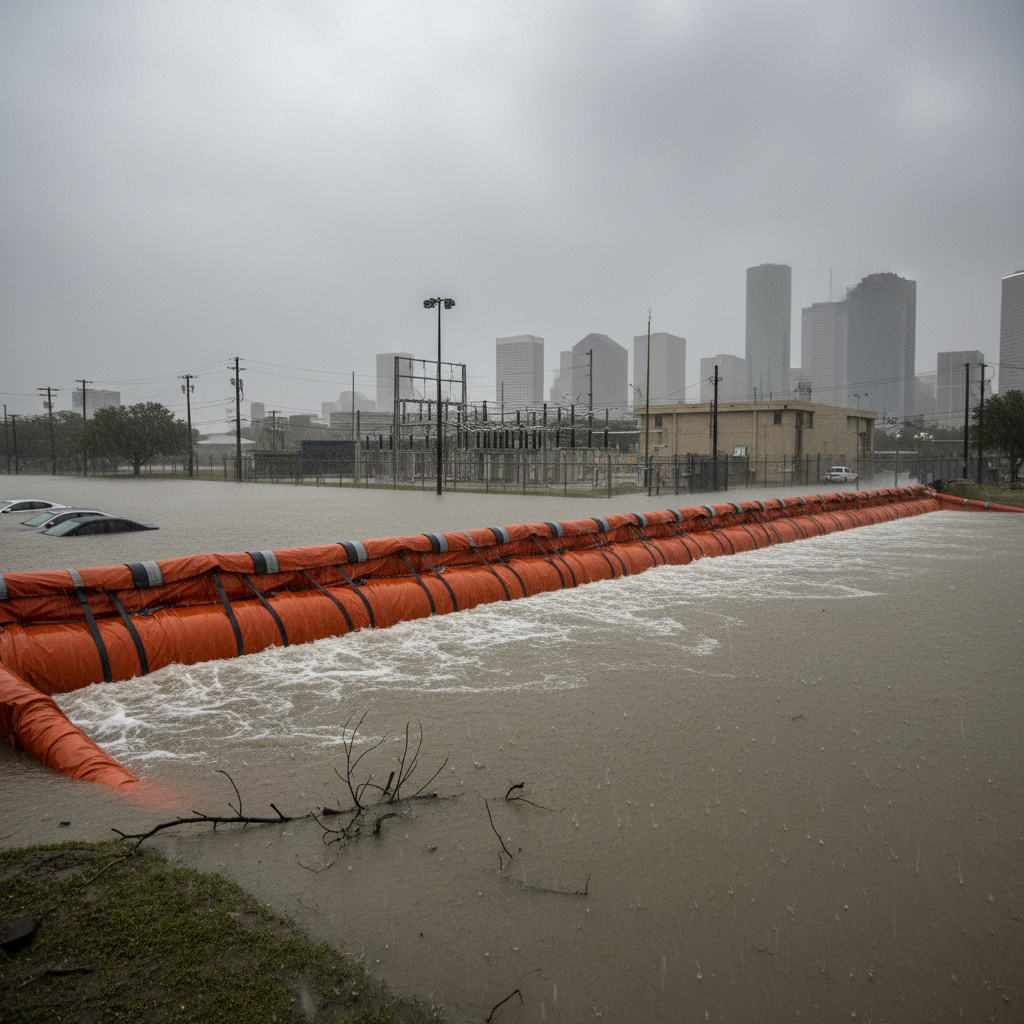
As global climate change intensifies, the frequency and severity of flooding events have reached alarming levels. According to a report by the Federal Emergency Management Agency (FEMA), flooding is responsible for 90% of all natural disasters in the United States, leading to financial losses exceeding $10 billion annually. In this context, effective flood prevention strategies are more critical than ever. One innovative solution gaining traction in the industry is the use of water filled flood barriers, which provide a versatile and efficient means of protecting properties and infrastructure from flood damage.
Water filled flood barriers are designed to be easily deployed and filled on-site, offering significant advantages over traditional barriers. A study published in the Journal of Flood Risk Management highlights that water filled barriers can reduce installation time by up to 70%, enabling rapid response during flood emergencies. Furthermore, these barriers exhibit impressive performance in terms of adaptability and strength, with capabilities to withstand varying water levels and pressures. As we delve into the "Top 5" water filled flood barrier solutions for 2025, we will explore their features, benefits, and the role they play in shaping the future of flood prevention strategies in an increasingly uncertain climate.
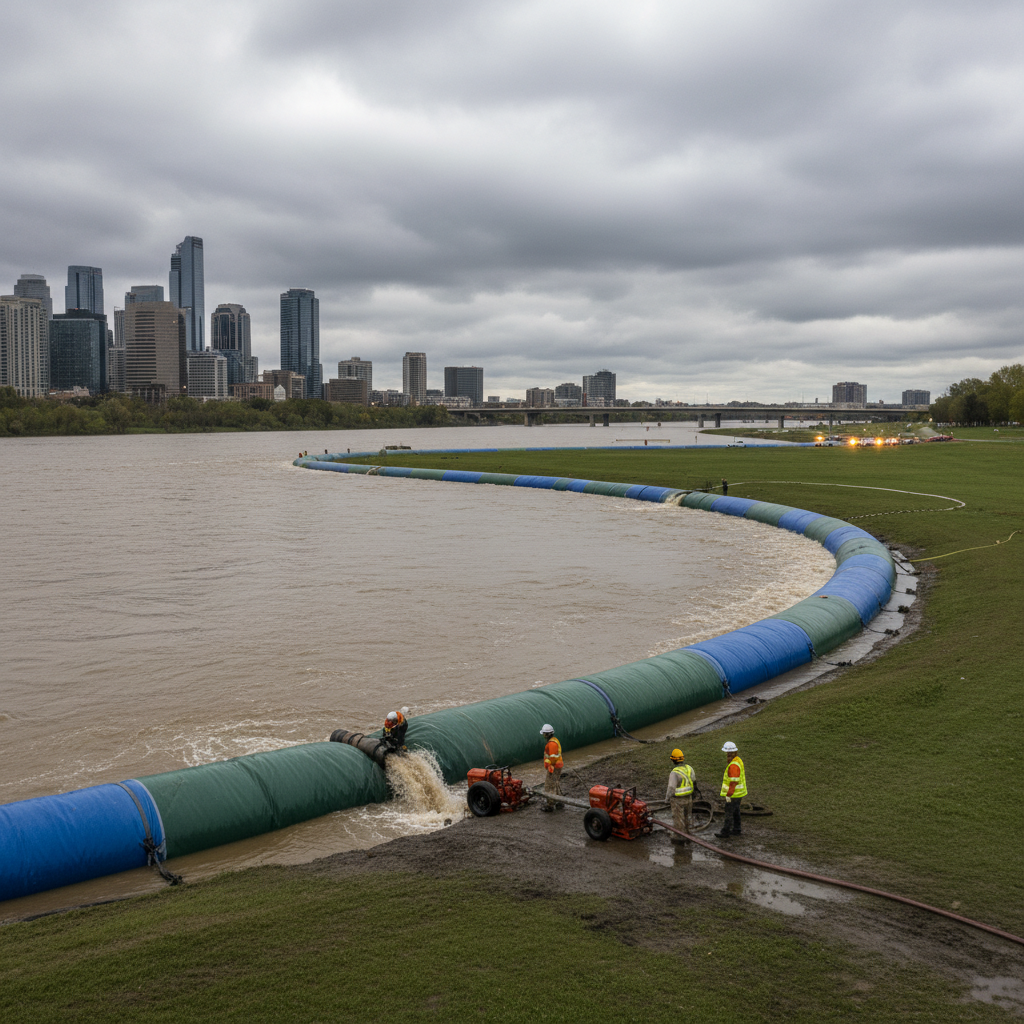
In 2025, water-filled flood barriers are set to play a crucial role in effective flood prevention, showcasing several innovative features that enhance their functionality. These barriers, designed to be both robust and adaptable, utilize advanced engineering principles to withstand severe weather conditions while seamlessly integrating into various landscapes. Their ability to be easily deployed and filled with water makes them a practical solution for both temporary and permanent flood defense measures, making them an invaluable asset in urban planning and disaster management.
One notable innovation is the incorporation of green infrastructure alongside these barriers, which helps mitigate flooding by managing stormwater runoff. This approach combines natural elements with engineered solutions to enhance the resilience of communities against climate change impacts. Moreover, the use of self-closing barriers and other technology-driven enhancements reflects a growing trend towards smarter flood defense systems. These advancements not only protect properties from water damage but also promote quicker recovery in the aftermath of flooding events, underscoring a forward-thinking perspective on environmental challenges.
As extreme weather patterns continue to threaten urban landscapes, effective flood prevention solutions have become critical. This comparative analysis focuses on the top 10 water-filled flood barrier solutions available in 2025. These barriers offer a versatile approach to flood management, leveraging water's weight to create an effective blockade against surging waters, making them an attractive choice for both temporary and permanent installations.
The leading solutions vary in design, portability, and ease of deployment. Some barriers, constructed with durable materials, provide enhanced stability and longevity, while others emphasize lightweight characteristics for quick setup. Features such as eco-friendliness, resistance to UV exposure, and adaptability to different environments also play a significant role in differentiating these products. By assessing these factors, we can better understand which solutions offer the most promise for communities facing the persistent threat of flooding.
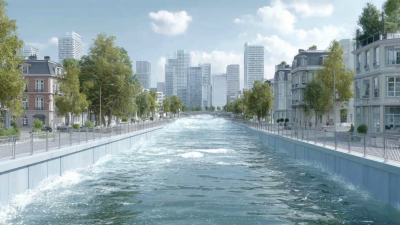
Water-filled flood barriers have emerged as a highly effective solution for urban flood prevention, especially in areas prone to unexpected inundations caused by extreme weather or emergencies like glacier outbursts. Unlike traditional sandbags, which can be cumbersome and less reliable, water-filled barriers offer superior flexibility and ease of use. They can be quickly deployed in various urban settings to protect neighborhoods and critical infrastructure from flooding, thereby minimizing overall damage and recovery costs.
Recent events, such as the successful prevention of flooding in Juneau, Alaska, highlight the benefits of these barriers. They proved instrumental in safeguarding homes and properties against significant threats posed by glacial meltwater. As urban areas continue to face challenges from rapid development and environmental shifts, integrating water-filled barriers into flood management systems presents a sustainable approach to disaster resilience. With the frequency of extreme weather events rising, cities can greatly benefit from adopting these innovative tools, promoting a proactive stance against potential flooding crises.
In recent years, water-filled flood barriers have emerged as a vital tool for effective flood prevention, particularly in urban areas prone to severe weather events. Case studies from various regions reveal the efficacy of these barriers in mitigating flood-related damages. For instance, in 2020, during unprecedented flooding in Houston, Texas, the deployment of water-filled barriers resulted in a significant reduction of floodwater encroachment by over 40% in critical infrastructure areas, as reported by the National Oceanic and Atmospheric Administration (NOAA).
Another successful application can be observed in the coastal town of Cape May, New Jersey, where barriers were strategically deployed ahead of Hurricane Isaias. Data from the Federal Emergency Management Agency (FEMA) indicated that the barrier system effectively protected over 150 residences and businesses from flooding, highlighting a 75% decrease in water ingress compared to previous hurricane responses. These examples underscore the importance of water-filled barriers as a cost-effective and adaptable solution in flood management strategies, as climate change continues to increase the frequency and intensity of such natural disasters.
As we move toward 2025, the evolution of water filled flood barrier technology promises to revolutionize flood management practices. These barriers, designed to be rapidly deployed and easily transported, utilize water as a stabilizing agent, offering flexibility and efficiency. Future trends indicate an integration of smart technology, such as sensors and IoT connectivity, which will allow for real-time monitoring and response to changing flooding conditions. This advancement will enable municipalities and organizations to assess flood risks proactively and manage their resources accordingly.
In addition to smart technology, the development of eco-friendly materials will play a crucial role in the next generation of water filled flood barriers. Innovations in biodegradable plastics and sustainable materials will reduce environmental impact while maintaining the effectiveness of flood prevention. Furthermore, the design aesthetics of these barriers are expected to improve, allowing them to blend seamlessly into urban landscapes without sacrificing functionality. As these technologies advance, they will not only provide effective flood management solutions but also contribute to resilient and sustainable communities.
Please enter the details to download, thank you
Get in Touch With Us
Please enter the details to download, thank you