How to Use Water Filled Flood Barriers for Effective Flood Protection?

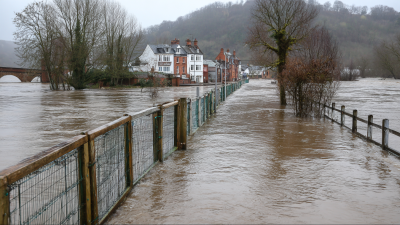
Flooding has become a significant threat in many regions worldwide. According to the National Oceanic and Atmospheric Administration (NOAA), flooding accounts for nearly 90% of all natural disasters in the U.S. Water filled flood barriers offer a practical solution to mitigate these risks. These barriers are easy to deploy and highly effective in preventing water intrusion into properties.

John Smith, a flood protection expert at FloodDefense Inc., emphasizes that "water filled flood barriers provide a flexible and immediate response to flooding challenges." This statement underscores the value of quick action when facing rising waters. Many homeowners and businesses have found relief through these barriers. However, not all situations are the same. Understanding the limitations and proper use of these barriers is crucial.

Using water filled flood barriers requires planning and knowledge. Placement and height are key factors that determine their effectiveness. Some users have reported challenges when positioning the barriers in high-current areas. As a result, thorough research and preparation are essential. Recognizing these potential shortcomings can lead to better outcomes during actual flood events.
How to Use Water Filled Flood Barriers for Effective Flood Protection?

Understanding the Mechanism of Water-Filled Flood Barriers

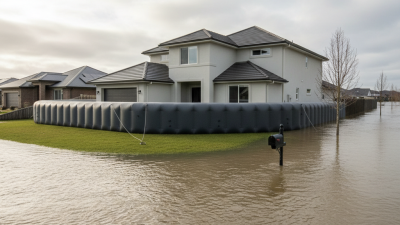
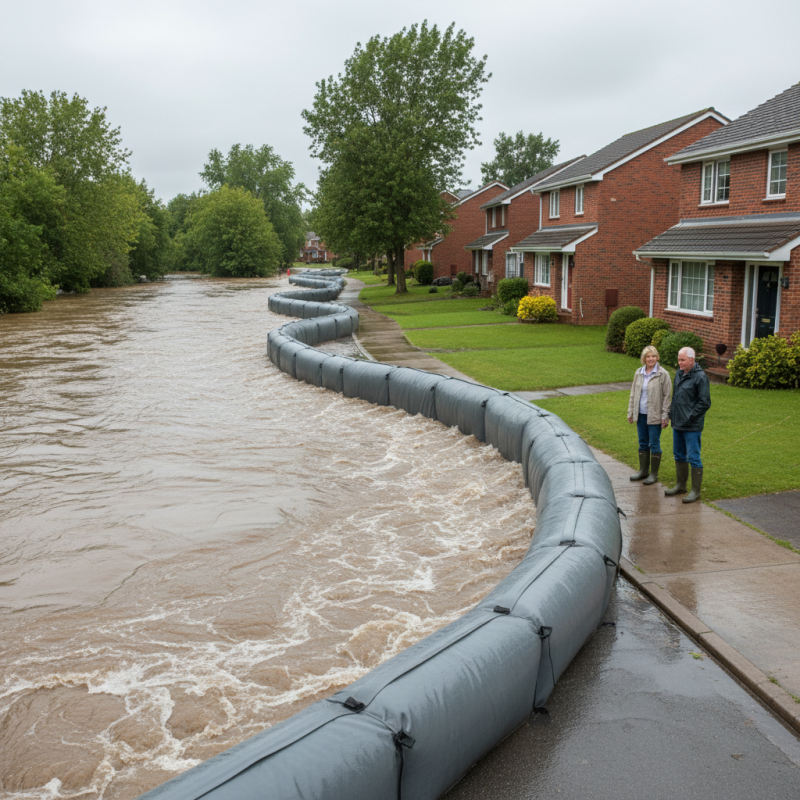
Water-filled flood barriers have gained attention as a natural solution for flood protection. They work on a simple yet effective principle: using water's weight to hold the barrier in place. When deployed, these barriers fill with water, creating a solid structure that blocks floodwaters. The flexibility in their design allows them to adapt to different terrains.

The barriers are easy to set up and can be used in various locations, from urban streets to rural homes. They lay flat until filled, making storage straightforward. However, people often underestimate their limitations. If not filled properly, they can shift or fail under pressure. Training is necessary to ensure effectiveness.

Rain forecasts should be closely monitored. Knowing when to deploy these barriers is critical. Timing can make a difference in preventing property damage. Flood barriers are not a cure-all, but they can provide tangible assistance when used correctly. Experience shows that vigilance and preparation are key to effective flood management.

How to Use Water Filled Flood Barriers for Effective Flood Protection? - Understanding the Mechanism of Water-Filled Flood Barriers

Component Material Height (ft) Length (ft) Weight (lbs) Water Capacity (gallons)
Flood Barrier A PVC 1.5 6 50 25
Flood Barrier B Polyethylene 2 8 70 30
Flood Barrier C Vinyl 1 5 40 20
Flood Barrier D Nylon 3 10 90 40

Comparative Analysis of Flood Barrier Materials and Their Efficacy

How to Use Water Filled Flood Barriers for Effective Flood Protection?

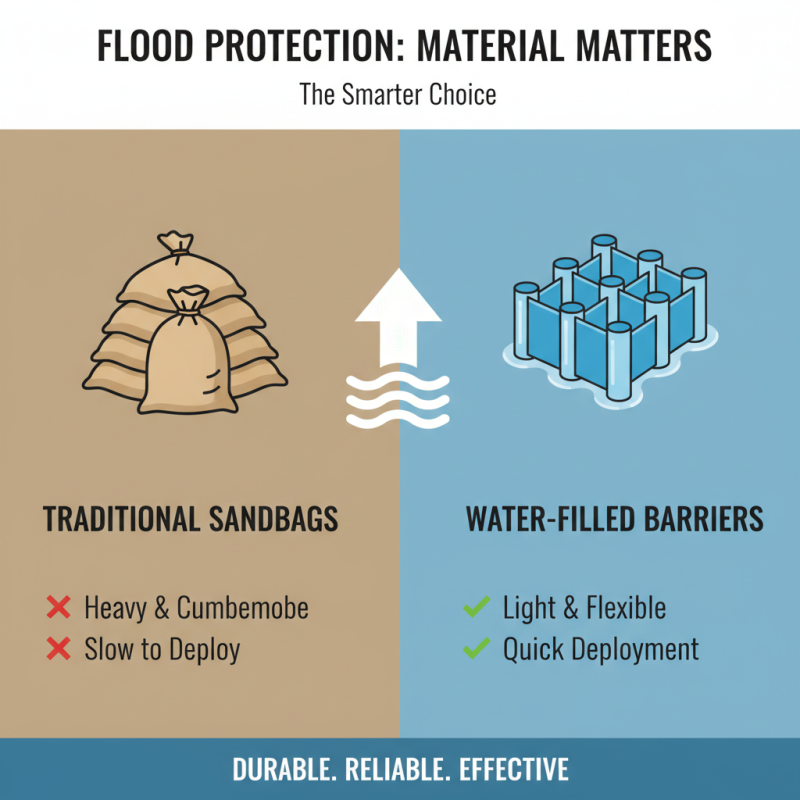
When it comes to flood protection, material choice is crucial. Water-filled flood barriers offer flexibility and effectiveness. These barriers are made from durable materials, making them reliable against rising waters. Traditional sandbags can be heavy and cumbersome. In contrast, water-filled barriers can be easily deployed and adjusted as needed.

The efficacy of these barriers depends on various factors. For instance, the material's strength and water retention capability play significant roles. Some materials may leak over time, causing potential failures during heavy floods. Regular maintenance checks are essential. Users often overlook this step, which can lead to devastating consequences.

Choosing the right barrier is not straightforward. Some barriers might work well in small-scale floods but fail in more severe situations. A comparative analysis reveals that not all materials perform equally under pressure. It's vital to assess local flood risks. Understanding the limitations of each type of barrier is important for effective flood protection.

Step-by-Step Installation of Water-Filled Flood Barriers

Water-filled flood barriers offer an effective way to combat flooding. Their installation can be straightforward, ensuring quick deployment when disaster strikes. Begin by selecting the appropriate site. The ground must be firm and level, as unstable soil can compromise barrier integrity.

To install, lay the barrier flat along the desired area. Use connectors to attach multiple barriers for larger spans. Next, fill the barriers with water. Local reports indicate that these barriers can withstand pressures of up to 10 psi when filled correctly. Ensure the water is clean to avoid algae build-up.

Tips: Monitor the weather conditions before installation. Expected heavy rains may dictate a faster setup. Regularly inspect the barriers for any leaks or punctures. If you notice a decrease in water level, address it promptly.

Finally, once the flood threat has passed, drain the barriers and store them properly. They can be reused multiple times, making them a sustainable option for flood management. However, constant maintenance is essential for future reliability. Always reflect on past usage to improve techniques.

Water-Filled Flood Barriers Effectiveness

Maintenance Requirements for Optimal Performance of Flood Barriers

Proper maintenance of water-filled flood barriers is essential for optimal performance. According to a report by the National Flood Insurance Program, improper upkeep can reduce effectiveness by up to 40%. Regular checks on seals and connections help prevent leaks, ensuring barriers perform when needed.

It's crucial to monitor the water levels within the barriers. Too little water can compromise stability, while too much can lead to bursting. Each barrier typically needs a review after heavy storms. An actual inspection takes roughly 15 minutes but can significantly impact the outcome during a flood event.

Cleaning debris from the barriers is another vital step. Mud and sediment can create blockages that weaken the barrier structure. An annual deep clean is recommended. Ignoring this task might lead to unexpected failures. It’s clear that consistent maintenance is necessary.

Keeping a checklist of these tasks can streamline the process. Ultimately, each barrier requires attention to details for reliable performance.

Case Studies: Successful Uses of Water-Filled Flood Barriers in Communities

Water-filled flood barriers are becoming popular for communities facing flood risks. In recent years, several towns have successfully used these barriers to protect homes and businesses. During a significant storm last summer, a small town implemented these barriers along its main street. With the barriers in place, the flooding was significantly minimized. Residents were relieved and grateful.

In another case, a community faced severe flooding due to a nearby river swelling. They deployed water-filled barriers around vulnerable properties. This proactive measure prevented many homes from sustaining flood damage. The local government reported that their investment in these barriers saved the town thousands of dollars in potential repairs.

Tips for using water-filled flood barriers:

  • Ensure proper placement. They should secure vulnerable areas without gaps.
  • Regularly check the conditions of the barriers, especially during storms.
  • Monitor water levels and adjust as needed.
  • It’s essential to communicate with neighbors and coordinate efforts for better results.
  • Not every attempt will be flawless, and learning from past experiences is key to improving future use.