
Waste heat boilers are vital components in modern energy systems. They capture excess heat from processes, enhancing efficiency. In industrial settings, waste heat is often overlooked. However, utilizing it can yield significant benefits.
These boilers convert waste heat into usable energy. This process reduces fuel consumption and lowers emissions. Industries are under pressure to improve sustainability. Waste heat boilers contribute to this goal by recovering valuable energy.
Many facilities still lack awareness of waste heat's potential. Often, it simply escapes into the environment. This oversight can lead to increased operational costs. Adopting waste heat boilers can optimize energy use. Yet, some may hesitate due to perceived complexity. Understanding their workings is crucial for informed decisions.
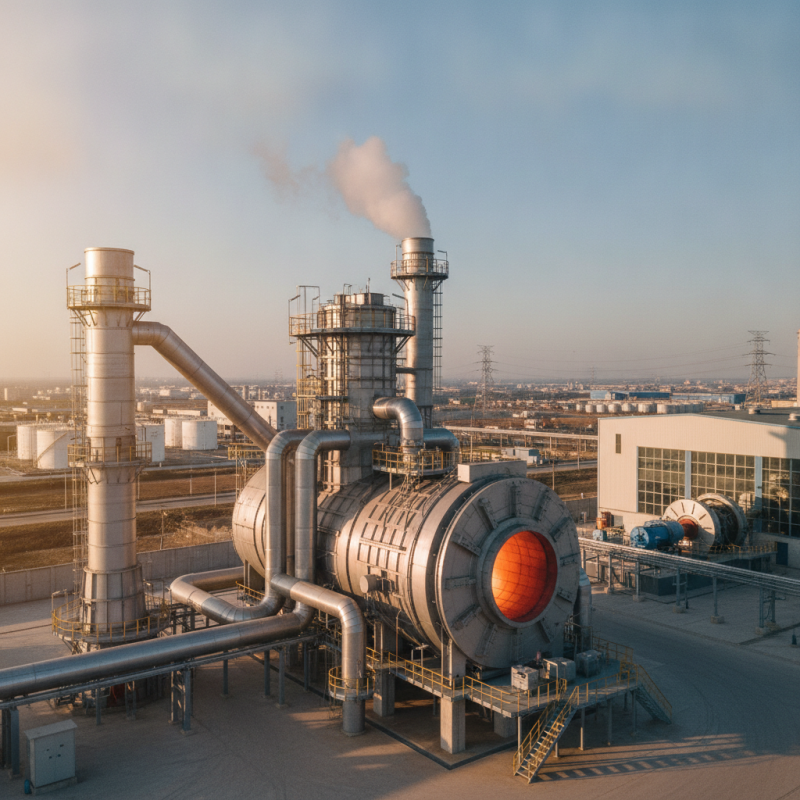
Waste heat boilers play a crucial role in energy efficiency. They capture surplus heat from industrial processes or power generation. Instead of letting this heat go to waste, these boilers convert it into steam or hot water, which can be reused. This process not only conserves energy but also reduces emissions, promoting a greener environment.
The main purpose of a waste heat boiler is to utilize heat that would otherwise escape into the atmosphere. By doing so, industries can lower their operational costs. This system is not without challenges. Designing a boiler requires expertise. Engineers must consider temperature variations and the type of gases involved. Each installation is unique, necessitating precise calculations.
While waste heat recovery systems are beneficial, they sometimes face practical issues. Maintenance can be complex. Failures in heat exchange efficiency can occur. This often leads to energy losses that can diminish expected savings. Continuous monitoring and improvement are essential for maximizing effectiveness. Recognizing these hurdles is vital for those looking to invest in waste heat technology.
Waste heat boilers play a crucial role in energy efficiency. They capture excess heat from industrial processes and convert it into usable energy. According to the U.S. Department of Energy, waste heat recovery systems can improve overall energy efficiency by 10% to 50%. This statistic highlights their importance in reducing fossil fuel consumption.
These boilers utilize heat that would otherwise be released into the environment. They operate by transferring heat from hot exhaust gases to a fluid. This fluid can then be used to generate steam or hot water. A report from the International Energy Agency shows that about 20% of industrial fuel input goes to waste as heat. By harnessing this energy, industries can lower operational costs and decrease greenhouse gas emissions.
Despite their potential, many facilities underutilize waste heat boilers. Some may lack the necessary infrastructure for effective integration. Others might hesitate due to perceived high upfront costs. It's critical for industry leaders to assess their energy use and identify opportunities for improvement. Achieving greater efficiency demands ongoing evaluation and innovative thinking.
Waste heat boilers are essential for energy recovery in various industrial processes. Key components of these systems include economizers, superheaters, and heat exchangers. Economizers capture residual heat from flue gases, enhancing system efficiency. Superheaters increase the temperature of steam, improving turbine output.
The design of waste heat boilers varies based on application and type of waste heat source. For instance, industrial setups often utilize multi-pressure systems, maximizing energy recovery. According to a report by the International Energy Agency, implementing waste heat recovery systems can reduce energy consumption by up to 30%.
Tips: Regular maintenance is crucial for optimal performance. Check for scaling and erosion, which can hinder efficiency. Moreover, ensure proper insulation on piping to minimize heat loss. The complexity of waste heat boiler systems requires thoughtful design. Attention to detail in component integration is vital to avoid costly inefficiencies.
| Component | Function | Material | Efficiency (%) | Design Feature |
|---|---|---|---|---|
| Heat Exchanger | Transfers heat from flue gases to water | Steel or Copper | 85-95 | Multi-pass design |
| Boiler Drum | Houses the water or steam to be heated | Carbon Steel | 80-90 | Horizontal orientation |
| Stack | Discharges flue gases into the atmosphere | Stainless Steel | - | Tall structure for better dispersion |
| Feedwater System | Supplies water to the boiler | Copper or Plastic | - | Automated control |
| Control Panel | Monitors and controls boiler operation | Plastic | - | User-friendly interface |
Waste heat recovery systems are critical for enhancing energy efficiency in industrial applications. A waste heat boiler captures exhaust gases and converts thermal energy into steam or hot water. By reusing this energy, industries can reduce fuel consumption and lower operational costs. Industry reports indicate that effective waste heat recovery can achieve energy savings of up to 30%.
Efficiency metrics often focus on thermal efficiency and overall recovery rates. A well-designed waste heat boiler can reach thermal efficiencies over 90%. However, many systems fall short due to poor maintenance or improper design. For example, a study revealed that up to 50% of waste heat recovery systems in operation do not utilize optimal designs.
Performance data shows that integrating advanced emissions control can enhance recovery rates significantly. Despite the potential, barriers remain. A lack of awareness or the necessary upfront investment often means that many facilities do not implement these systems fully. Addressing these issues could unlock further savings and performance gains in waste heat recovery.
Waste heat boilers play a crucial role across various industries. They capture excess heat from industrial processes, converting it into steam or hot water. This process not only enhances efficiency but also reduces emissions, a vital step in today’s eco-conscious landscape.
In manufacturing, waste heat boilers are often used in steel mills and cement plants. These facilities generate significant heat during production. By reusing this heat, companies can lower energy costs and improve sustainability. The food processing industry also benefits. Here, heat recovery can help with pasteurization processes, making operations more efficient.
However, challenges remain. The integration of waste heat boilers can be complex. Each facility has unique conditions that must be addressed. Proper engineering and design are essential for maximizing effectiveness. Without careful planning, systems may underperform or lead to safety issues. This highlights the importance of expertise in waste heat recovery systems.
Please enter the details to download, thank you
Get in Touch With Us
Please enter the details to download, thank you