What Are the Best Domestic Flood Barriers in China?
Choosing the best domestic flood barriers in China requires more than comparing prices or advertised water heights. Local flooding varies sharply. A factory in Guangdong may face short, intense rain. A residence near the Yangtze may need protection against prolonged rising water. Site conditions matter.
Floodplain-management pioneer Gilbert F. White offered a useful warning: “Floods are acts of God, but flood losses are largely acts of man.” His observation remains relevant to domestic flood barriers. A strong barrier cannot replace drainage planning, routine inspection, or timely evacuation. It only reduces exposure when selected and installed correctly.
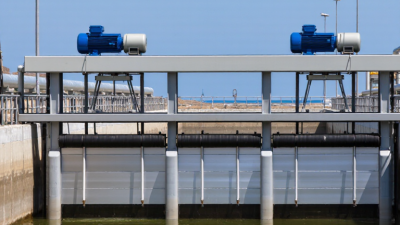
This guide examines Chinese-made flood barriers through practical criteria. These include sealing performance, panel strength, anchoring methods, deployment time, storage needs, maintenance, and verified test evidence. It also considers aluminium flood panels, inflatable systems, sandless barriers, and modular water-filled designs. A barrier standing beside a warehouse door must resist seepage around uneven concrete. A residential model should deploy without specialized machinery. Small details decide real performance.
No product is perfect. Marketing claims can sound stronger than field evidence. Some systems perform well in controlled tests but disappoint when drains clog or surfaces settle. That weakness deserves attention. Buyers should request installation instructions, test reports, warranty terms, and project references. They should also confirm whether local service teams can respond before seasonal flooding. The best domestic flood barriers are not simply the tallest or cheapest. They are practical systems matched to China’s climate, buildings, budgets, and emergency habits.
China’s Household Flood Risk: Rainfall, Waterlogging, and Protection Data
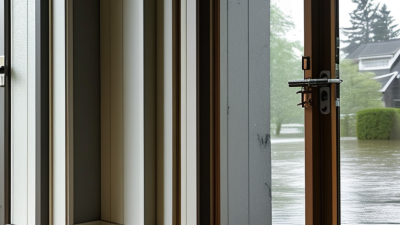
China’s household flood risk is shaped by intense summer rainfall, typhoons, and urban waterlogging. Short cloudbursts can overwhelm drains before residents receive a warning. Low entrances, basement windows, garage ramps, and ground-floor shops face the greatest exposure.
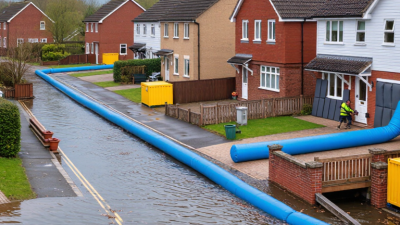
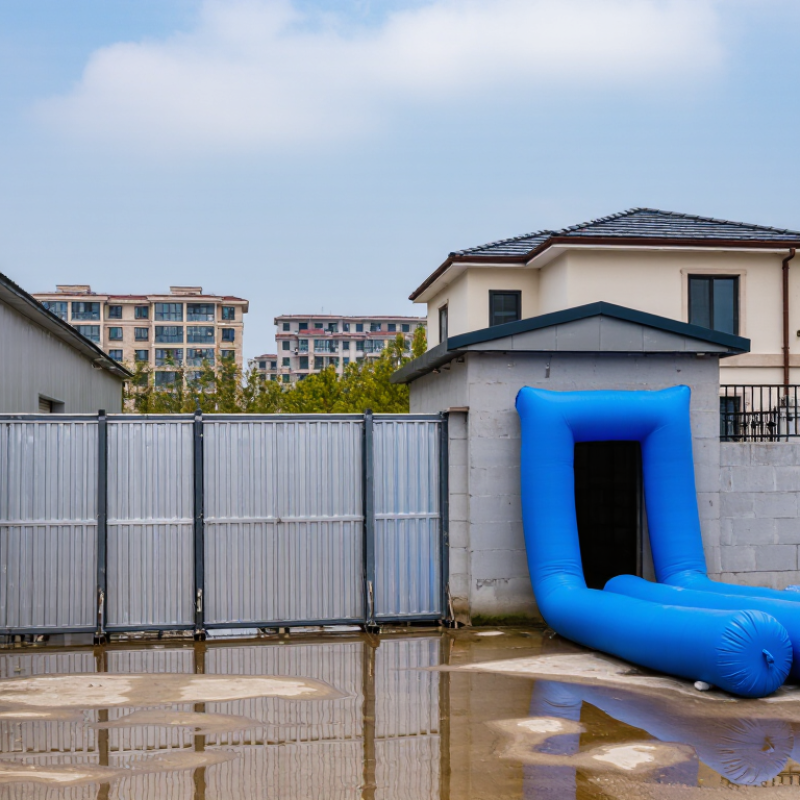
The best domestic flood barriers depend on the opening, not advertising claims. Removable door panels suit narrow entrances and can be stored indoors. Water-activated barriers are lighter, but they need flat ground and careful placement. Drain covers and temporary plugs help protect bathrooms and utility areas. A barrier should state its tested height, width, installation time, leakage rate, and resistance to flowing water. A ten-minute setup may be more useful than a taller product that requires tools.
Check rainfall alerts from the China Meteorological Administration and local emergency departments. City waterlogging maps can reveal risks that national averages hide. Official data may show rainfall intensity, flooded roads, or drainage capacity, but household-level protection figures remain limited. That gap matters. Do not assume a product tested in still water will stop fast street runoff. Inspect seals every season, photograph the installation, and record how long setup takes. No barrier is perfect. A blocked drain, weak door frame, or rising water behind the barrier can still cause failure. I would treat flood barriers as one layer, alongside raised appliances, emergency power, and a clear evacuation route.
What Are the Best Domestic Flood Barriers in China?
China’s rainstorm warning levels provide a practical risk reference for selecting household flood barriers. Higher rainfall intensity generally calls for earlier deployment and taller, more stable protection.
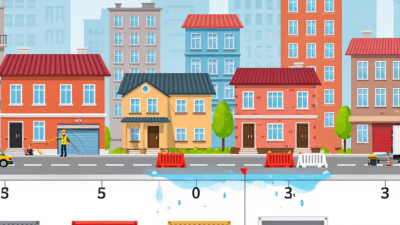
The chart converts commonly published China Meteorological Administration rainstorm-warning triggers into approximate rainfall intensity: Blue, 50 mm in 24 hours; Yellow, 50 mm in 6 hours; Orange, 100 mm in 3 hours; and Red, 100 mm in 3 hours. Local warning criteria may be adjusted by regional authorities. For households, portable barriers should be selected according to doorway width, expected water depth, ground conditions, drainage, and safe evacuation access.
Materials and Compliance: Aluminum, PVC, Rubber Seals, and Chinese Standards
Choosing a domestic flood barrier in China requires more than comparing height and price.
Aluminum systems are lightweight, rigid, and easier to handle during sudden rainfall. However, joints and anchors must resist hydrostatic pressure without bending. PVC barriers can reduce cost and weight, but prolonged sunlight and winter temperatures may cause brittleness. Rubber seals, often EPDM or similar weather-resistant compounds, need correct compression. A seal that looks intact may still leak around uneven flooring.
Compliance deserves equal attention.
China does not use one universal label for every flood barrier. Buyers should request current GB or GB/T references relevant to structural loads, materials, fire performance, and water resistance. Project conditions may also require local construction or municipal water-control specifications. Ask for factory inspection records, installation drawings, pressure-test data, and reports from a CMA-accredited laboratory. Check whether the testing covered the complete assembly, not only the aluminum panel. That distinction matters.
Tips:
Measure the doorway at several points. Inspect the threshold for cracks and slope. Confirm the rubber seal’s temperature range and replacement method. Test the installed barrier before the rainy season. Do not rely only on product photographs. A clean specification can still miss drainage, anchoring, or maintenance problems. In practice, installation quality often decides performance, and this is where many otherwise strong designs fall short.
Selection Process: Match Door Width, Flood Depth, Setup Time, and Budget
What Are the Best Domestic Flood Barriers in China?
Choosing a flood barrier starts with the doorway, not the advertisement. Measure the clear opening at three points. Record the smallest width. A five-centimeter error can create a costly gap.
Flood depth determines the barrier type. For water below 30 centimeters, a lightweight removable panel may be practical. Deeper water needs stronger anchoring, reinforced seals, and verified pressure resistance. The UNDRR Global Assessment Report 2022 identifies flooding as one of the most widespread hazards worldwide. China’s Ministry of Water Resources also continues to emphasize urban drainage upgrades and local flood-risk management. These reports support a cautious approach: household barriers are supplementary protection, not a replacement for drainage planning.
Setup time matters during sudden rainfall. Select a system that one person can install without special tools, especially for shops and ground-floor homes. Test it with a hose before the rainy season. Real doors are rarely perfectly level. That matters. A barrier that performs well in a laboratory may leak beside an uneven threshold. I would also leave budget for replacement seals, storage, and annual inspection. The cheapest purchase can become the least economical choice.
Tips:
Match the barrier width to the narrowest measured point. Confirm the rated flood depth and test duration. Ask for pressure-test records, installation instructions, and maintenance requirements. Photograph the installed seal during testing. Small details reveal weak contact points.