How to Choose the Right Flood Pump for Your Home?

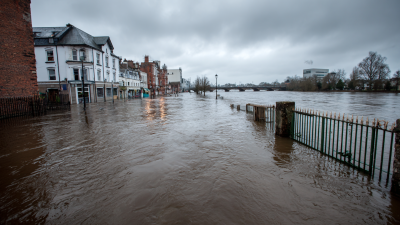
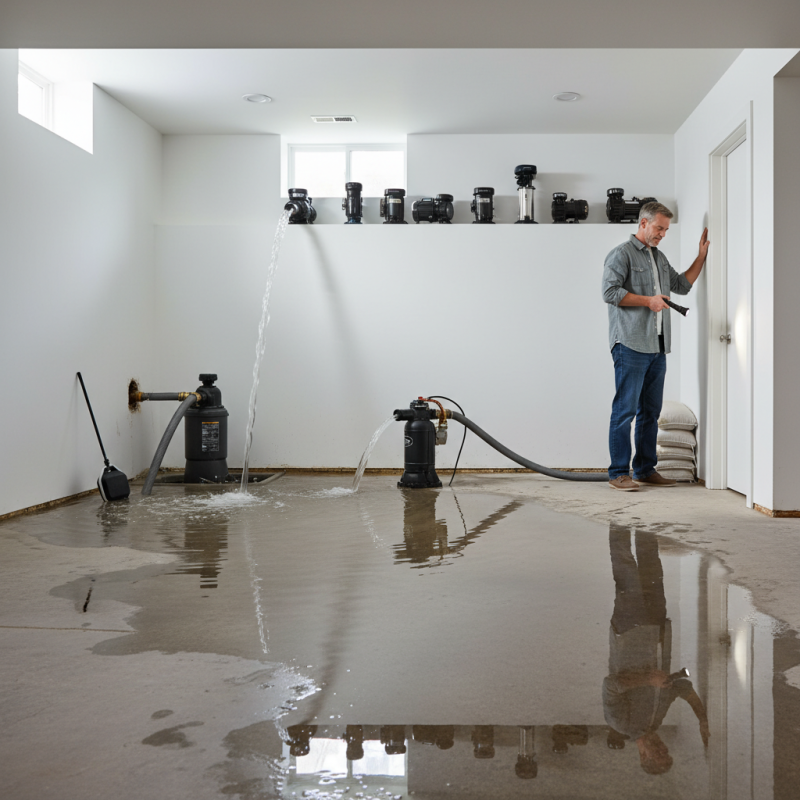
Flooding can wreak havoc on homes, making the choice of a flood pump essential. According to the National Flood Insurance Program, over 90% of U.S. disasters involve flooding. Selecting the right flood pump not only protects your property but also ensures peace of mind.

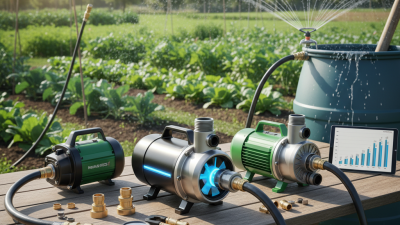
Understanding your needs is crucial. There are various types of flood pumps, each designed for different situations. For example, submersible pumps work well in standing water, while sump pumps excel in areas with a basement. Recent studies indicate that a quality flood pump can reduce water damage by up to 50%.

However, not all pumps are created equal. It’s important to assess specifications and features carefully. Users often overlook the pump’s capacity and power source. This oversight can lead to inadequate performance during emergencies. A well-informed choice in flood pumps can ensure your home remains safe, even in extreme weather conditions.
How to Choose the Right Flood Pump for Your Home?

Understanding Different Types of Flood Pumps: Submersible vs. Pedestal

When choosing a flood pump for your home, understanding the differences between submersible and pedestal pumps is essential. Submersible pumps are designed to work underwater. They can handle larger volumes of water quickly. According to industry reports, submersible pumps can remove up to 2,000 gallons per hour. Their sealed design prevents damage from water, making them a reliable option in severe flooding. However, their installation can be complex and may require professional help.

Pedestal pumps, on the other hand, are positioned above the water level. They are easier to access for maintenance. These pumps typically handle smaller amounts of water. Many models can pump around 1,200 gallons per hour. Their mechanics are simpler, yet they might struggle with debris in flooded areas. In a high debris context, their efficiency can wane, leading to the need for more frequent cleaning.

Understanding these differences is critical for effective flood management. The choice should align with your property's specific requirements. Each type has its strengths and weaknesses. You should consider your situation before making a decision. Evaluate factors like expected water levels and possible debris. This will help you find the best solution for your needs.

How to Choose the Right Flood Pump for Your Home?

This chart illustrates the average performance of different types of flood pumps for home use. The submersible pump significantly outperforms the pedestal pump in terms of gallons per hour (GPH), making it a preferable option in situations where high water removal is crucial.

Key Factors to Consider When Sizing a Flood Pump for Your Home

When selecting a flood pump for your home, sizing is crucial. Proper sizing ensures efficient operation and minimizes energy costs. A pump that is too small may struggle during heavy rains, leading to water damage. Conversely, an oversized pump can waste energy and increase wear.

Consider the water inflow rate. A report from the National Flood Insurance Program indicates that homes in high-risk areas can face over 6 inches of water per hour during severe flooding. Calculate your home’s square footage to estimate necessary pump capacity. Generally, a pump must move at least 2,000 gallons per hour for most basements.

Check the vertical lift required. This factor is vital for moving water from the basement or crawl space to a drain or higher ground. A lift over 10 feet can significantly reduce a pump’s efficiency. Look for performance curves from reputable sources to help evaluate your options. Lastly, think about local environmental conditions. Factors like soil type and drainage can influence the performance of your chosen pump. Be prepared to reassess your choice as conditions change over time.

Evaluating Pump Performance: Flow Rate and Head Height Specifications

Choosing the right flood pump requires careful evaluation. Key specifications include flow rate and head height. The flow rate measures how much water a pump can move in a given time. It’s usually expressed in gallons per minute (GPM) or liters per second (LPS). Select a pump with a flow rate suitable for your home's needs.

Head height, on the other hand, refers to how high the pump can raise water. This measurement is critical. It determines if the pump can effectively push water where you need it. Look for this specification in feet or meters. Consider the elevation of your property and any obstacles in the way.

Be aware that specifications may not always paint the full picture. A pump could look ideal based on numbers but may fail in real situations. Reading user reviews allows you to see practical performance, beyond the technical data. Consider scenarios where pumps might struggle. Understanding these points aids in making a better choice.

Assessing Power Source Options for Your Flood Pump: Electric vs. Gas

When choosing a flood pump, the power source is crucial. Homeowners typically face two primary options: electric and gas. Electric pumps are usually lighter and easier to operate. They often require less maintenance, making them ideal for those who prefer convenience. However, they depend on a reliable power source. In cases of severe flooding, power outages can occur, leaving homeowners without a pump.

Gas-powered pumps offer more portability and are often more powerful. They can operate independently, which is a huge advantage during widespread blackouts. Nevertheless, these pumps need regular maintenance, such as checking oil and fuel levels. Additionally, they can be noisy and emit fumes. Some homeowners may find the upkeep and environmental impact concerning.

Ultimately, the choice of power source comes down to your unique situation. Evaluating factors like budget, pump usage, and available maintenance resources is vital. Consider how often you might face flooding and how quickly you need the pump to respond. Rushing the decision could lead to regrets later.

Maintenance Tips for Ensuring Longevity of Your Flood Pump System

How to Choose the Right Flood Pump for Your Home?

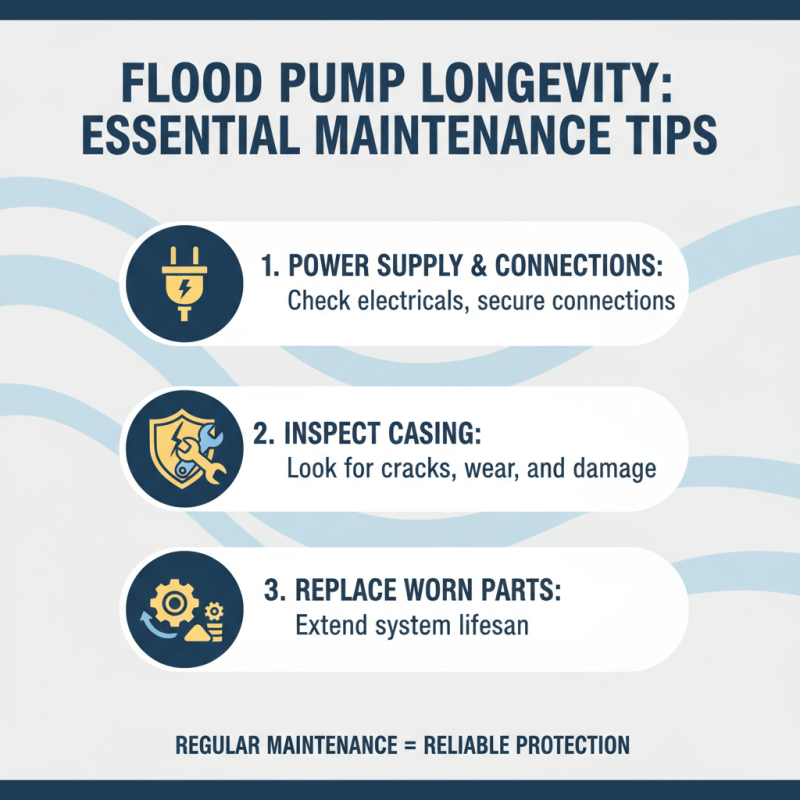
To ensure your flood pump system lasts, regular maintenance is crucial. Start by checking the power supply and ensuring that the electrical connections are secure. Inspect the pump's casing for any cracks or signs of wear. Simply replacing worn parts can extend the life of your system significantly.

Another important aspect is cleaning the pump and its filters. Debris can clog the intake, causing it to work harder and risk damage. Remove any visible dirt or algae that may have built up. This is a common oversight that can lead to bigger issues later.

Don't forget about periodic testing. Run your pump to ensure it activates and operates correctly. This will help identify potential problems before they escalate. Documenting maintenance tasks can also aid in tracking the pump's performance over time.