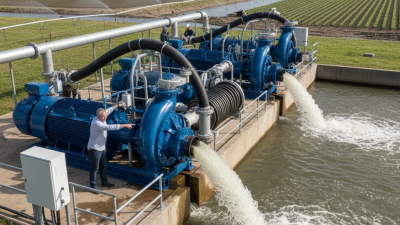
China Best Water Pump for Flooding How to Choose?
Choosing the China best water pump for flooding requires more than comparing horsepower or price. Floodwater can carry mud, gravel, leaves, and household debris. A suitable water pump for flooding must match the site’s flow rate, lifting height, discharge distance, and contamination level.
The UNDRR Human Cost of Disasters report recorded 7,348 major disaster events from 2000 to 2019. These events caused about 1.23 million deaths and nearly US$2.97 trillion in economic losses. The figures show why dependable drainage equipment matters. The WMO State of the Global Climate 2023 also reported that 2023 was the warmest year recorded, with severe weather affecting communities worldwide. Climate data does not select a pump for you. It does, however, underline the need for faster and more resilient flood response.
Start with performance, not marketing language. Check the pump curve, rated flow, total head, power consumption, and maximum solid-particle diameter. A 4-inch discharge may drain a basement quickly, but long hoses and sharp bends can reduce real output. Diesel pumps suit remote sites, while electric models offer quieter operation and simpler indoor control. Submersible pumps need reliable insulation and leakage protection. Self-priming pumps need correct suction conditions. Small errors matter.
Look for testing aligned with ISO 9906 and motors built under relevant IEC requirements. Ask for factory test records, warranty terms, spare-parts availability, and service response times. A low purchase price can become expensive after one failed impeller. No pump is perfect. The best choice balances measured performance, local conditions, operator skill, and long-term maintenance.

What Makes a Water Pump Effective for Flood Control in China?
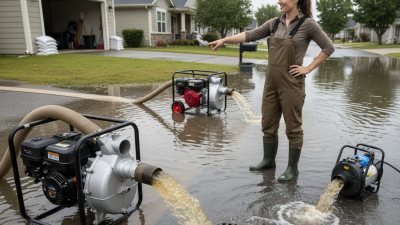
An effective water pump for flood control must match the site, not just the advertised flow rate. In Chinese flood zones, water may carry mud, leaves, gravel, and plastic waste. A pump with a wide passage reduces clogging during urgent drainage. Engineers should check total head, discharge distance, suction lift, and required pumping time before selecting equipment. A powerful motor cannot compensate for an unsuitable pipe layout.
Field inspections often reveal simple problems. The inlet may sit too close to soft ground. The suction hose may bend sharply. Small details matter. Self-priming ability is valuable when water levels change quickly. For deeper flooding, submersible equipment can reduce setup time, but cable protection and insulation require careful inspection. Electric pumps suit areas with stable power. Diesel units may provide flexibility during outages, although ventilation and fuel management become important.
Reliable flood-control equipment needs more than a strong casing. Look for corrosion-resistant materials, overload protection, accessible seals, and clear maintenance instructions. Local service capacity also affects real performance in China’s remote towns and industrial areas. Operators should test the pump before the rainy season, record actual flow, and inspect vibration, noise, and oil leakage. One common mistake is choosing maximum capacity without considering energy use or pipeline loss. That choice can increase costs and still drain water slowly. Even experienced teams should review their assumptions after each flood event.
How to Match Pump Type and Capacity to Flooding Conditions
China Best Water Pump for Flooding How to Choose?
Pump matching starts with water volume, not the outlet size. The USGS reports that one inch of rain over one acre produces about 27,154 gallons, or 102,800 liters. A flooded 200-square-meter yard receiving 50 millimeters of rain can hold roughly 10,000 liters. Removing it within two hours requires at least 5 cubic meters per hour. Add inflow from drains, leakage, and hose friction. A small safety margin is sensible.
Flow is only half the decision. Measure vertical lift from the water surface to the discharge point. Then include pipe length, bends, and outlet resistance. This is total dynamic head. Hydraulic Institute guidance emphasizes evaluating pump performance across the operating curve, not at zero head. A pump advertised at 20 cubic meters per hour may deliver far less at six meters of head. That shortcut is tempting, and sometimes wrong.
Choose a clear-water pump for filtered rainwater. Choose a trash pump when mud, leaves, or small stones are present. Check the stated solids-passage diameter. Submersible models suit deep standing water and narrow pits. Self-priming pumps can work from outside the flooded area, but their suction height needs careful checking. Field teams should inspect cables, grounding, and connections before operation. Never place ordinary electrical equipment in wet conditions. A neat calculation can still fail when debris blocks the intake, so use a strainer, monitor the water level, and recheck flow during the first hour.
Which Materials and Features Ensure Reliable Pump Performance?
Flooding exposes weak pump materials quickly. NOAA recorded 27 billion-dollar weather disasters in the United States during 2024. Reliable drainage equipment now faces harsher, more frequent field conditions.
Choose a cast iron or stainless-steel pump body for demanding floodwater. Stainless steel offers stronger corrosion resistance when water contains salt, chemicals, or fine sediment. A hardened impeller helps handle grit, leaves, and small stones. That matters. Avoid assuming stainless steel solves everything. Poor seals can still fail first.
Look for mechanical seals rated for dirty water, thermal overload protection, and a screened inlet. Automatic level sensors can start the pump when water rises, reducing response time. Hydraulic Institute guidance emphasizes matching pump selection with flow, head, and operating conditions. Oversizing can increase energy use and create unstable operation. Undersizing leaves water behind.
The World Bank’s 2024 climate resilience research also links stronger flood preparation with reduced infrastructure losses. In practice, test the pump before storms. Check cable joints, float movement, and discharge connections. I would inspect the impeller after every severe event, even when performance seems normal. Sediment can quietly reduce clearance. A portable unit should also have a stable base and a discharge hose that resists kinking. Small details often decide whether a basement stays dry.
China Best Water Pump for Flooding: How to Choose?
Which materials and features ensure reliable pump performance?
How to read this chart: Floodwater pumps that handle larger solids are generally better suited to muddy water, leaves, gravel, and debris. For dependable operation, choose corrosion-resistant stainless steel or coated cast-iron components, a hardened or stainless-steel impeller, mechanical seals suited to dirty water, thermal overload protection, and an IP-rated motor enclosure. The values shown are typical reference ranges; actual performance depends on pump design and operating conditions.
What Installation, Operation, and Maintenance Practices Matter Most?
Choosing the best water pump for flooding depends on installation, operation, and maintenance discipline. A powerful pump can still fail when placed poorly. Before installation, inspect the floodwater depth, debris level, discharge distance, and available power supply. Set the pump on a stable platform, not directly in mud or loose gravel. Keep the intake screen clear, and use a discharge hose with suitable diameter and pressure ratings.
Check every cable, plug, grounding point, and control switch before starting. Electrical equipment should remain outside standing water unless specifically designed for submerged use. Follow local electrical and safety requirements. For diesel units, provide strong ventilation and keep fuel away from ignition sources. Never run an engine indoors. Never.
During operation, monitor vibration, unusual noise, water flow, and rising temperature. A blocked intake may reduce flow within minutes. Stop the pump before removing debris. Do not allow the pump to run dry, even briefly, unless its design permits dry operation. Operators should record start times, flow changes, and shutdown reasons. These simple notes often reveal problems earlier than visual checks.
After each flooding event, flush sand and silt from the pump body and hoses. Dry electrical connections before storage. Inspect seals, impellers, bearings, clamps, and hose joints for wear. Replace damaged parts promptly, although replacing everything too early can waste money. A practical maintenance schedule should follow operating hours, water quality, and manufacturer instructions. In real flood work, maintenance is sometimes delayed; that mistake usually becomes expensive.