Choosing flood protection barriers in 2026 requires more than comparing product prices or advertised water heights. Flood patterns are becoming less predictable, while urban surfaces send runoff into streets faster. Sir James Bevan, former Chief Executive of the Environment Agency, has stated, “Climate change is not a distant threat. It is happening now.” That warning matters when selecting protection for homes, warehouses, transport routes, and critical facilities.
The right barrier should match the site, not merely the brochure. Measure expected flood depth, water velocity, ground slope, available storage space, and likely debris. Check whether the system depends on anchors, ballast, seals, pumps, or trained installation teams. A doorway barrier may work well against shallow water, but it may fail beside a fast-flowing channel. Temporary flood barriers also need clear deployment plans, regular inspections, and realistic maintenance budgets. Test them before an emergency.
Small details decide performance.
Look for independently verified testing, transparent specifications, warranty limits, replacement-part access, and evidence from comparable installations. Ask how the barrier behaves after repeated use, ultraviolet exposure, mud, and damaged pavement. No product is perfect. That is uncomfortable, but useful. Even a strong system can fail if warnings arrive late or staff cannot assemble it quickly. This guide, “How to Choose Flood Protection Barriers in 2026?”, examines those practical weaknesses alongside material strength, installation speed, lifecycle cost, and environmental fit. The safest choice is rarely the tallest barrier. It is the system your team can deploy correctly, inspect honestly, and improve after every flood event.
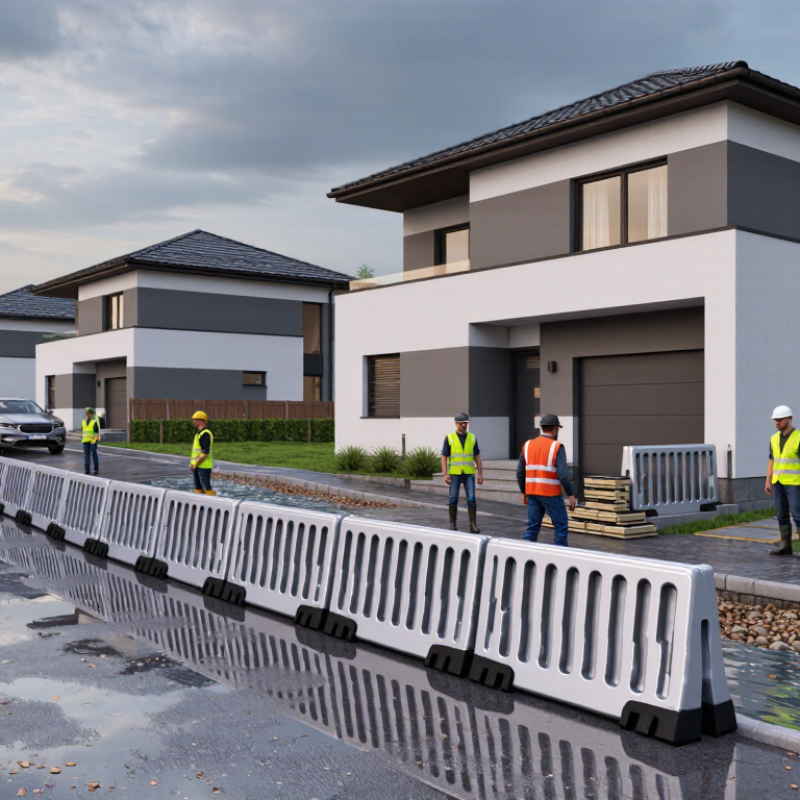
Flood protection starts with understanding where water will go, not with choosing a barrier. Check local flood maps, past water levels, and drainage paths around the property. Look for low doorways, basement windows, garage openings, and gaps where utilities enter. A shallow puddle beside a wall can reveal a larger flow problem during heavy rain.
Measure each opening and note its surface. A barrier that seals well against smooth concrete may leak over uneven paving or gravel. Record the width, height, and available storage space, then consider how many people can install the system quickly. Check whether the barrier can be anchored safely and whether nearby drains could send water back toward the building. Site conditions vary. Some measurements may need a second check.
Tips: Photograph the site before buying, and keep a simple sketch with measurements. Test the barrier in dry conditions if practical. Make sure the planned setup leaves a safe exit route and does not block essential access. A perfect fit on paper can still fail on a sloped threshold, so inspect the contact points carefully.
Start with the expected flood level, the route water may take, and the consequences of flooding. Compare barrier approaches against the site conditions below; actual capacity and installation requirements depend on the specific system and an appropriate site assessment.
| Assessment dimension | What to check | Barrier options to consider | Practical selection guidance | Verification before purchase |
|---|---|---|---|---|
| Flood source and likelihood | Determine whether the main threat is river or coastal flooding, surface-water runoff, groundwater, or sewer backup. Check local flood maps, past events, drainage information, and site-specific assessments. | Temporary barriers may suit occasional, localized exposure. Reusable demountable systems or permanent defenses may be more appropriate where exposure is recurrent or protection must be deployed quickly. | Choose for the credible flood scenario at the property, not only the most recent event. Consider warning time and how often protection may be needed. | Confirm flood levels and likely flow routes with relevant local authorities or a qualified flood-risk professional. Maps indicate risk but may not describe every property-level condition. |
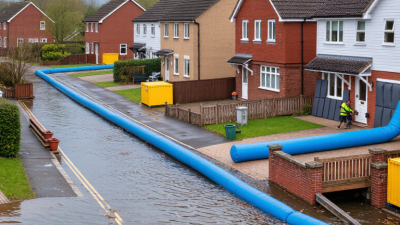
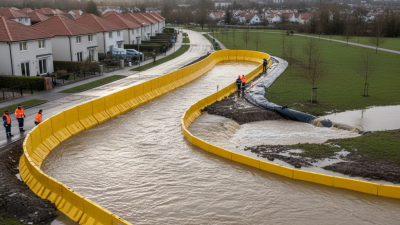
| Required protection level | Estimate the design water level at each opening and vulnerable boundary. Include an appropriate allowance for uncertainty and anticipated changes where required by local guidance. | Sandbags, water-filled tubes, panel barriers, and permanent walls each have different limits. No option should be assumed suitable without a stated, verified capacity. | Compare the required level with the system’s documented maximum protection height and operating conditions. A barrier that is too low can be overtopped. | Request test or engineering documentation for the exact configuration, including joints, corners, end points, anchoring, and the surface it will rest on. |
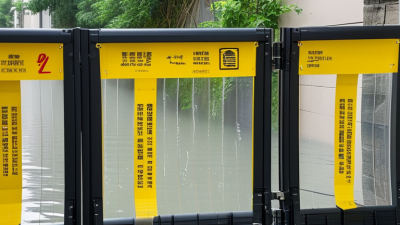
| Opening width and layout | Measure doorways, garage entrances, driveways, loading bays, and other openings. Note uneven thresholds, steps, columns, corners, and nearby obstructions. | Door-sized removable panels can suit regular openings; modular systems can accommodate some wider spans; flexible temporary products may suit short-term needs but require careful placement. | Measure the actual clear opening and identify where posts, seals, or end returns can be installed. Wider spans may need additional structural support. | Check installation drawings, maximum supported span, connection details, and required storage space. Confirm that the system fits the finished opening, not just nominal dimensions. |
| Ground and wall condition | Inspect paving, concrete, asphalt, soil, wall strength, drainage channels, and joints. Identify slopes, cracks, loose surfaces, and routes for water to pass beneath or around a barrier. | Anchored panel systems need suitable fixing points and a compatible substrate. Ballasted or self-supporting systems may reduce drilling but still need an appropriate, stable surface. | Surface irregularities and weak fixings can undermine performance. Where water pressure or structural loading is significant, seek a site-specific design review. | Confirm substrate limits, fixing requirements, sealing method, and permissible surface slope with the system documentation or a competent installer. |
| Warning time and deployment | Consider how much notice is usually available, who will install the barrier, and whether access remains safe during heavy rain or rising water. | Pre-installed guides with removable panels can simplify deployment. Loose materials may be easy to source but often require substantial handling and preparation. Permanent measures avoid deployment but require upfront works. | Match deployment time to the available warning window. Do not rely on staff entering floodwater or working in unsafe conditions to install protection. | Run a practice installation and record the time, staffing, tools, and sequence needed. Set a clear trigger for deployment based on official alerts and site procedures. |
| Leakage and water pathways | Identify low points, side gaps, thresholds, drains, utility penetrations, air vents, and routes through walls or floors. Barriers protect only the paths they are designed to control. | Sealed systems may reduce water entry at a specific opening. Wider site protection may require a coordinated set of measures rather than a single barrier. | Assess the whole building perimeter and internal drainage. A barrier at a doorway may not prevent water entering through another opening or through the ground. | Check seal inspection and replacement requirements. Include backflow protection and drainage arrangements in the overall flood plan where relevant. |
| Frequency, storage, and upkeep | Estimate how often the system may be used, where components can be stored, and whether they can be inspected and maintained between events. | Reusable panel systems need organized storage and inspection. Temporary consumables need timely availability. Permanent defenses need periodic checks of structure, drainage, and condition. | Choose an approach that can be maintained and deployed reliably over time. A stored system is useful only if components remain complete and accessible. | Ask for maintenance intervals, expected replacement parts, storage conditions, and inspection instructions. Keep an inventory and review it before flood seasons. |
| People, access, and operations | Consider accessible entrances, evacuation routes, deliveries, emergency services, and the needs of occupants or staff with reduced mobility. | Removable systems can preserve normal access when not installed. Permanent defenses may change site access and require suitable gates or alternative routes. | Ensure flood measures do not block escape routes or create an unsafe threshold. Include occupants and site operators in planning. | Review access and evacuation plans with relevant building or safety professionals. Confirm the barrier can be handled safely by the people expected to use it. |
| Total cost and consequences | Compare purchase and installation costs with potential damage, business interruption, clean-up, replacement, and the value of critical contents or equipment. | Temporary products may have lower initial cost but recurring labor or replacement needs. Reusable and permanent measures may require greater initial investment and site work. | Evaluate whole-life costs and residual risk, not just the price of the barrier. Flood protection reduces exposure but cannot guarantee that damage will be prevented. | Obtain itemized costs for installation, accessories, maintenance, training, and storage. Check relevant insurance and local approval requirements independently. |
Important: Flood conditions vary by location, and barrier performance depends on the product, installation, water depth, flow, surface, and building condition. Use current local flood information and qualified advice for design decisions; do not treat this comparison as a site-specific engineering specification.