Choosing flood gates for houses in China starts with one practical question: where can water enter? A doorway facing a low street needs a different barrier from a garage opening or courtyard entrance. Threshold height, opening width, wall strength, drainage, and warning time all matter. Small details matter.
China’s National Climate Center, in its China Climate Change Blue Book 2024, reported that 2023 was the warmest year in China since records began in 1961. The IPCC Sixth Assessment Report also identifies increasing heavy-precipitation risks across many parts of Asia. These findings do not predict flooding at any particular home, but they support careful, site-specific preparation.
Common options include removable aluminum panels, hinged barriers, inflatable barriers, and automatic systems. Removable panels can suit doorways where storage and quick installation are manageable. Hinged gates may be easier to deploy, but need secure fixings and room to swing. Automatic systems can reduce setup time, yet depend on correct installation, maintenance, and reliable activation. FEMA’s floodproofing guidance stresses that barriers must be designed for the building and expected water conditions; a gate alone cannot protect every structure.
There is no universal winner. A narrow entrance, uneven paving, or a blocked drain can change the right choice. Measure the opening, inspect the wall, and ask a qualified local engineer or installer to assess water pressure and anchoring. Even careful planning has limits. A gate is one layer of protection, not a guarantee.

Flood gates for houses are barriers fitted across vulnerable openings, such as front doors, garage entrances, and low patio doors. Some are fixed in place; others slide into side channels or are installed only when heavy rain is expected. Their purpose is simple: create a sealed or tightly fitted barrier that slows water entering the home. Even a few centimeters of water can damage flooring, wiring, and stored belongings.
A gate works best when its frame is firmly anchored and its seals sit flat against a clean, even surface. Before a storm, check that the channels are clear of leaves and grit. Close the gate fully, then inspect the bottom edge for gaps. Small details matter. Water can find them. A barrier may reduce shallow flooding, but pressure rises as water gets deeper, and no household gate can guarantee protection in every flood.
The opening itself also matters. A garage may need a wider barrier than a doorway, while uneven stone or old concrete can make sealing difficult. I would not assume one gate solves every risk; drains, air vents, and other low openings may still let water in. Take measurements carefully, test the fitting before flood season, and ask a qualified flood-protection professional about site conditions. A slightly awkward test now is better than discovering a poor fit during a storm.

Main Types of Residential Flood Gates Available in China
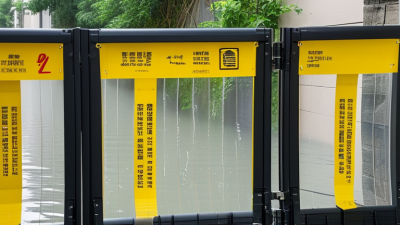
Homes in China commonly use removable panel barriers, hinged flood gates, and flood-resistant doors. Removable panels fit into fixed side channels across a doorway or garage entrance. Aluminum panels are light enough for many households to handle, while rubber seals help close gaps along the floor and sides. They work well when flooding is occasional, but someone must store and install them before water arrives.
Hinged gates stay attached to a wall or frame and swing across the entrance when needed. They suit locations where quick access matters, though the gate needs clear space to open and secure fixing points. Flood-resistant doors offer a more permanent option for entrances exposed to repeated water. Some sites also use self-rising barriers, but their mechanism and maintenance needs should be checked carefully. Fit matters. A small gap at a threshold can weaken an otherwise sturdy barrier.
Tips: Measure the opening at several points, including the floor, because older homes may have uneven thresholds. Ask an installer to assess expected water depth, wall strength, and drainage. Test seals before the rainy season. One detail is easy to overlook: a gate can block floodwater outside, yet water may still enter through nearby drains or lower vents.
| Residential Flood Gate Type | How It Works | Best Suited For | Main Advantages | Key Limitations | Installation and Upkeep |
|---|---|---|---|---|---|
| Removable aluminum panel barrier | Horizontal panels slot into fixed side channels across a doorway, garage entrance, or other opening. | Homes that need temporary protection at openings with accessible side walls and storage space for panels. | Panels can be removed when not needed; the opening remains unobstructed in normal conditions; modular panels can suit different opening widths. | Must be installed before flooding; correct assembly and sealing are essential. Stored panels can be heavy or awkward to handle. | Side channels need secure anchoring and a suitable sealing surface. Inspect seals, fasteners, and panels before flood season. |
| Lift-out door threshold barrier | A compact panel or board is fitted into brackets or channels across a doorway threshold. | Pedestrian doors and other relatively narrow openings where a low, removable barrier is practical. | Simple to store and deploy; generally less intrusive than a permanent door or gate; suitable for occasional use. | Protection is limited to the opening it covers and depends on a close fit. It does not protect walls or other nearby entry points. | Check threshold level, side-wall fixings, and gasket condition. Keep the panel and fittings accessible for rapid installation. |
| Hinged swing flood gate | A permanently mounted panel swings across an opening and closes against a frame with seals and locking hardware. | Frequently used entrances or sites where a permanently attached barrier is preferred. | Does not require separate panel storage; can be ready to close when flooding is forecast; suitable for repeated operation. | Needs room for the panel to swing and a strong, properly aligned frame. Hinges and seals are exposed to wear and corrosion. | Have the frame and anchors designed for the expected water pressure. Check hinges, locks, and seals regularly and keep the closing area clear. |
| Vertical lift-up or drop-down gate | A panel moves vertically in side guides, either manually or with a powered mechanism. | Garage or service openings where side space for a swing gate is limited and permanent equipment is acceptable. | Does not need a clear swing path; can be integrated into a fixed opening; powered operation may reduce manual handling. | Requires overhead or below-ground space depending on the design. Powered versions may be unavailable during a power failure unless backup operation is provided. | Guide alignment and drainage around the opening matter. Follow the manufacturer's inspection schedule for moving parts, seals, and any power backup. |
| Automatic rising flood barrier | A barrier rises from a recessed housing, commonly using water pressure or a powered mechanism, depending on the system design. | Selected sites needing a discreet barrier that can deploy without carrying loose panels, where a suitable recess can be built. | Can remain largely out of sight when not deployed; some designs use incoming water to trigger deployment. | Typically requires substantial civil works, careful drainage design, and specialist maintenance. Automatic operation should not be assumed without confirming the specific system. | Assess the foundation, pit drainage, debris risks, and access for servicing. Confirm how the barrier operates during power loss and test it as directed. |
| Garage-door flood protection system | A removable barrier, reinforced door assembly, or dedicated gate is fitted at the garage opening. | Garages and other wide vehicle openings, which often need a solution designed for their span and threshold. | Addresses a large potential entry point; dedicated systems can be designed around the garage opening and its use. | Wide spans can create substantial loads. A standard garage door should not be assumed to provide flood protection unless specifically designed and verified for it. | Check the opening width, floor slope, side supports, and adjoining walls. Keep vehicle access and emergency exit requirements in mind. |
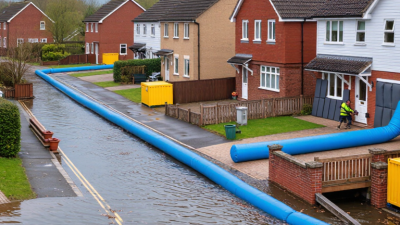
| Water-filled temporary barrier | Flexible tubes or linked units are filled with water to form a temporary barrier in front of an opening or along a perimeter. | Temporary protection over longer, reasonably even sections where a permanent gate is impractical. | Can cover broader areas and may be stored compactly before use; some systems use locally available water for filling. | Needs setup time, a suitable surface, and protection from punctures or displacement. It may not seal tightly against an uneven doorway threshold. | Check the ground profile and deployment instructions. Inspect the material for leaks and keep filling connections and accessories available. |
Which type is best? There is no single best flood gate for every home. Removable panel barriers are often practical for occasional protection at doors and garages; hinged or vertical gates may suit frequently used openings; automatic rising barriers require suitable site conditions and specialist design. Selection should consider the opening size, threshold and wall condition, expected flood depth and duration, installation quality, evacuation needs, and local flood guidance. A gate protects only the openings it covers and is not a substitute for a site-specific flood-risk assessment.
For homes in China, the best flood gate depends on the entrance, expected water depth, and how quickly protection must be installed. Removable panel gates suit doorways and garage openings where storage space is available. Panels slide into fixed side channels, creating a firm barrier when seals and anchors fit correctly. They can offer strong protection, but fitting them during a sudden downpour takes practice.
Hinged gates stay attached to the wall and swing across an opening. This reduces setup time and avoids storing loose panels, though hinges need clear space and regular checks for rust or looseness. Roll-down barriers are convenient for wider openings, but their tracks and moving parts need careful maintenance. Convenience matters. So does a reliable seal.
The ground surface can change the result. A small dip beneath a doorway may let water pass, even when the gate looks secure. Measure the opening at several points, and check whether the wall can support the fixings. A local building professional can assess these details and the likely water pressure. No design works equally well on every house; I would not choose by appearance alone. Practice installation before storm season, then inspect seals, channels, and fasteners after use.
Choosing a flood gate starts with the water expected at your home, not the product’s appearance. Check local flood maps and records for likely depth, flow direction, and warning time. FEMA’s flood-damage guidance notes that even one inch of water can cause about $25,000 in damage to a home. A small threshold matters. Measure each doorway and garage opening, then check the gate’s tested water height, width, anchoring, and installation requirements. A barrier rated for a narrow door may not safely span a wide garage entrance.
For occasional, shallow water, a removable door panel may suit a home with solid masonry or concrete fixing points. Frequent flooding, wider openings, or limited warning time may call for a professionally designed perimeter system. FEMA’s P-936 floodproofing guidance stresses that protection depends on the building and its openings, not one barrier alone. That distinction is easy to overlook. Check whether water could enter through floor drains, vents, or a basement stairwell, and plan for power loss and safe access. One imperfect but useful check: rehearse fitting the gate in rain, with cold hands, before flood season.
Typical suitability by home and flood-risk condition
Ratings are qualitative planning guidance on a 1–5 scale, not tested flood-performance data. Actual protection depends on the product, opening dimensions, surface condition, installation, and expected water depth. Check local flood guidance and the manufacturer’s specifications before choosing a barrier.
Before buying a flood gate, measure the clear opening at the top, middle, and bottom. Older doorways are rarely perfectly square. Record the threshold height, nearby drains, and the direction the door swings. A removable panel may suit a narrow entrance that stays clear most days. A hinged barrier can be quicker to deploy, but it needs room to open and secure fixing points. Compare the gate’s rated water depth and pressure with realistic local flood exposure; a taller gate is not automatically safer.
Tips: Check the wall and frame material before ordering. Masonry, timber, and uneven stone need different anchors and seals. Ask how the seal should be cleaned, stored, and replaced. Dry-fit the gate before storm season, then check for gaps with a controlled water test. Keep the route usable for residents and emergency exit.
Installation matters as much as the gate itself. Follow the supplied fixing instructions, and use a qualified installer if the frame is weak or the opening is irregular. Water can push hard against a barrier, while debris may collect along its lower edge. Keep the sill clear and inspect bolts, seals, and panels after use. One easy mistake is measuring only once; I would measure again, even if it feels excessive. Flood protection reduces risk, but it cannot guarantee a dry home.
Please enter the details to download, thank you
Get in Touch With Us
Please enter the details to download, thank you