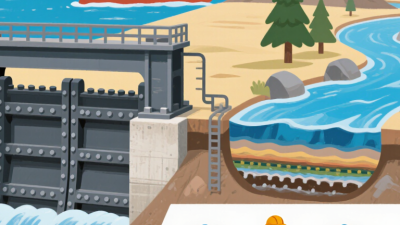
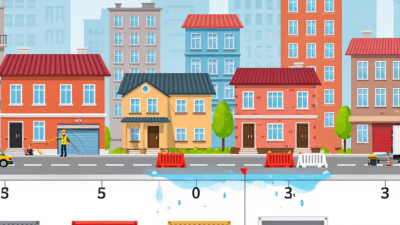
What Are Flood Prevention Barriers and How Do They Work?

Floodwater rarely arrives as a neat, predictable line. It can push beneath doors, rise around garages, and turn a familiar street into a fast-moving channel. The World Meteorological Organization’s 2021 Atlas of Mortality and Economic Losses from Weather, Climate and Water Extremes reported that flood disasters increased by 134% between 1980–1999 and 2000–2019. That global trend does not predict what will happen at one property. It does show why practical preparation matters.

Flood prevention barriers are designed to hold back or redirect water before it reaches vulnerable spaces. Some use removable panels fitted across doorways; others rely on deployable gates, sand-filled tubes, or fixed walls. Their performance depends on correct installation, suitable ground conditions, and a realistic estimate of flood depth and flow. A small gap at the threshold can undo an otherwise sturdy setup. Henk Ovink, a Dutch water expert and former Special Envoy for International Water Affairs, has said, “Water is not a problem, water is an opportunity.” The idea is useful, but barriers are not a complete answer. They can fail, require maintenance, and leave other routes open. This guide explains how flood prevention barriers work, where they may help, and what to consider before relying on them.
What Are Flood Prevention Barriers and How Do They Work?

What Flood Prevention Barriers Are and What They Protect

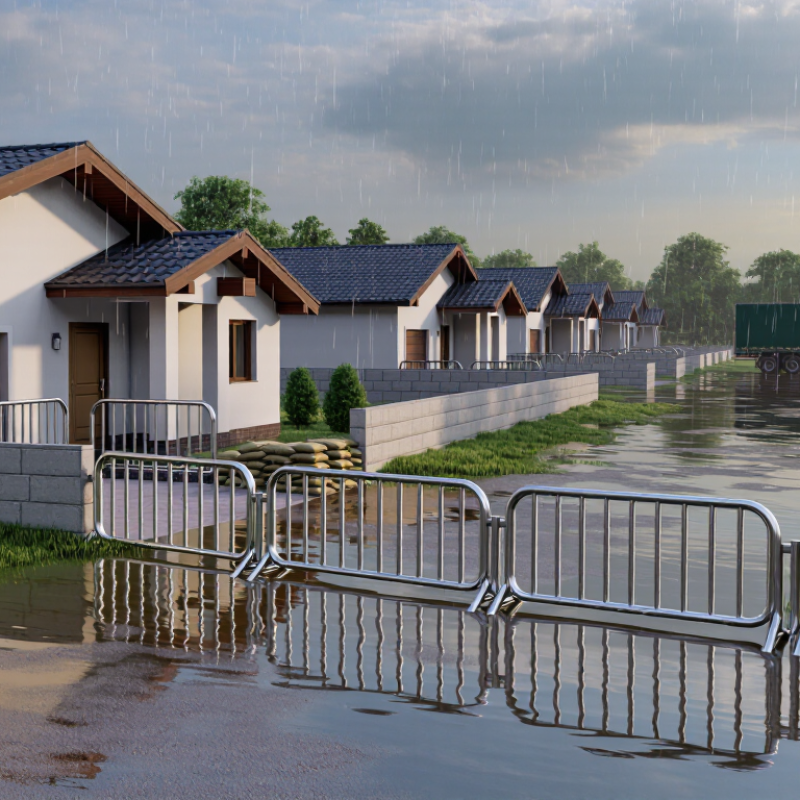
Flood prevention barriers are structures that slow, redirect, or block rising water before it reaches vulnerable areas. They range from temporary sandbag lines and removable panels to permanent walls and raised earth banks. Some seal doorways; others protect longer stretches of roads, buildings, or utility equipment. Their purpose is practical: keep water away from places where it could damage interiors, interrupt services, or create unsafe conditions.

A barrier works best when its height, length, and placement match the likely water path. For example, a fitted panel across a low doorway may help during shallow street flooding, while a longer system may guide runoff around a property. Gaps, weak ground, or water flowing around the ends can reduce protection. No barrier is foolproof, and water may still enter through drains or other openings. That detail is easy to overlook.

Tips: Check the expected flood depth and inspect the barrier before storm season. Clear nearby drains, and plan where water will go if it is redirected. Follow local emergency guidance; a barrier is not a reason to enter floodwater or delay evacuation.

The Main Types of Flood Prevention Barriers

Flood prevention barriers keep rising water away from homes, roads, and utility areas. Their design depends on expected water depth, flow speed, and ground conditions. Some remain in place year-round; others are installed when flooding is forecast. They are not interchangeable.

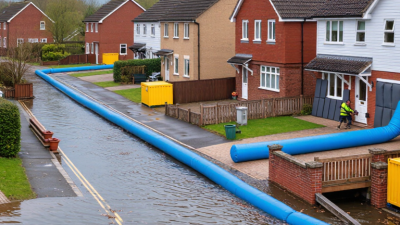
Permanent levees are raised earth embankments that redirect water across broad areas. Concrete or steel floodwalls offer similar protection where space is limited, such as beside a road or building. Temporary sandbags are flexible and widely understood, but they take time to stack and can leak if gaps remain. Modular barriers use connected panels or water-filled tubes. Crews can assemble them along doorways, driveways, or streets, then remove them after the threat passes.

Property-level barriers include removable door shields and covers for basement openings. A close fit matters. Even a small gap can let water seep through, while pressure may shift a barrier that is poorly anchored. For that reason, barriers should match local flood risks and be installed before water reaches the site. No barrier handles every flood. Drainage, maintenance, and a clear setup plan matter too, though these details are easy to overlook.

Key Components and How Barriers Block Water

A flood barrier is more than a raised panel. It is a system of panels, seals, supports, and ground anchors. Panels form the main wall, while rubber or foam seals close joints between sections. End posts and braces help keep the structure upright under water pressure. The base must also meet a reasonably even surface. Small gaps matter.

When floodwater reaches the barrier, its weight pushes against the water-facing side. The panel transfers that force to its posts, braces, and anchors. A secure base seal limits water flowing underneath, and tight joints reduce seepage between panels. Water finds weaknesses. Even a sturdy-looking barrier can leak where a driveway slopes or a wall meets uneven paving.

Installation details affect how well the system works. Panels need to fit their openings, and seals should be checked for dirt, damage, or wear. Anchors must suit the surface; a setup that holds on concrete may not work the same way on soft ground. Barriers also have limits, including overtopping and pressure beyond their design capacity. A small amount of seepage may still occur, so the protected area may need drainage or a pump. The awkward part is that the weakest connection can matter more than the tallest panel.

What Are Flood Prevention Barriers and How Do They Work? — Key Components and How Barriers Block Water

Component or Barrier Type Typical Materials How It Works Important Considerations
Barrier panels or boards Aluminum, steel, reinforced plastic, or treated timber Panels form a continuous wall across an opening or along a protected edge. Their height helps keep floodwater below the protected area. Panels must be correctly fitted and supported. Greater water depth creates greater pressure, so the system must be designed for its intended conditions.
Side posts and guides Metal or reinforced structural components, often fixed to a building or foundation Posts hold removable panels in position and transfer water pressure into the supporting structure. Secure anchoring and sound surrounding masonry or concrete are essential; weak supports can allow movement or failure.
Seals and gaskets Rubber or other resilient, water-resistant materials Compress against the ground, panels, or side guides to reduce gaps where water could pass through. Seals can reduce leakage but do not always make a barrier completely watertight. They need to be clean, undamaged, and correctly seated.
Ground-level contact and anchoring Prepared concrete thresholds, fixings, anchors, or other engineered supports A firm, even base helps the barrier sit securely and limits water passing beneath it. Anchors resist movement from water pressure and flow. Uneven surfaces, cracks, loose soil, or poor installation can create leakage paths or reduce stability.
Temporary modular barriers Interlocking panels or purpose-designed portable units Sections connect to create a longer flood-defence line around a building, site, or access route. They require suitable ground conditions, correct assembly, and enough time and personnel for deployment before water arrives.
Doorway or opening barriers Removable panels, purpose-made gates, or fitted flood doors They close vulnerable entrances while allowing the opening to be used normally when flood protection is not needed. Protection depends on the fit of the barrier and the condition of the surrounding frame, threshold, and walls.
Self-rising barriers Engineered systems using buoyancy or rising floodwater to raise a protective element In certain designs, rising water activates or lifts the barrier into position without the same manual placement required by removable panels. These systems are site-specific and need maintenance and clear operating conditions; they are not suitable for every location.
Drainage and water management Drains, sumps, pumps, and backflow-control devices, where appropriate They help manage water that enters from rainfall, seepage, or drainage routes behind a barrier; backflow devices can limit reverse flow through connected pipes. A barrier alone may not stop water entering through drains, floors, or walls. Drainage equipment needs power, maintenance, and a suitable discharge route.
Complete barrier system A combination of panels, supports, seals, anchors, and sometimes drainage measures When assembled correctly, the system interrupts the path of surface water and redirects or holds it outside the protected area. Barriers reduce flood exposure but cannot remove all flood risk. Water may still overtop the barrier or enter through other routes, so site assessment and a flood-response plan remain important.

How the protection works: A flood barrier creates a physical boundary between floodwater and a protected space. Its performance depends on the barrier design, water depth and flow, ground and structure conditions, correct installation, and the condition of potential water-entry routes.

How Barriers Are Installed and Used During Floods

Flood barriers work only when they match the site and are installed before water reaches them. Crews check the expected water level, ground conditions, and likely flow direction. They clear leaves and loose gravel from the barrier line, since small gaps can let water seep underneath. Small gaps matter.

For modular panels, workers place sections on firm, level ground, connect the joints, and secure supports as directed by the system’s instructions. Sandbags need careful placement too: stagger each row like bricks and press bags together to reduce gaps. A test fit on a dry day can reveal missing pieces or awkward corners. It is easy to assume a doorway is square when it is not.

During a flood, check the barrier from a safe, dry location for leaks, movement, or rising water around its ends. Do not enter fast-moving or contaminated floodwater to make repairs. Follow emergency officials’ instructions, and keep exits and access routes clear. Barriers may redirect water toward nearby homes, so placement deserves careful thought. Even a well-installed barrier has limits; water can overtop it, undermine the ground, or enter through drains and other openings.

Factors That Affect Barrier Performance and Limitations

Flood prevention barriers work by redirecting or holding back water, but their performance depends on the site. A firm, level surface helps seals sit tightly; loose soil, gravel, or uneven pavement can leave gaps. Barrier height matters, too. If water rises above the top, it can spill over, even when the barrier is correctly installed. Small gaps matter. So can the length of time water presses against the barrier.

Tips: Check the ground for dips, drains, and loose debris before setup. Follow the maker’s instructions for anchoring and sealing, and inspect joints during use. A quick visual check helps, but it cannot confirm that hidden seepage has stopped.

Flow speed, waves, and floating branches can add force or strike the structure. Some systems also allow water to seep beneath them, especially on porous ground. Barriers may not prevent water from entering through basement drains or other openings. Think of them as one layer of protection, not a guarantee. It is easy to focus on the barrier itself and overlook where water could go around it. That detail deserves a second look.

What Are Flood Prevention Barriers and How Do They Work?

Factors That Affect Barrier Performance and Limitations

Greater water depth creates greater hydrostatic pressure against a barrier. The values shown are calculated for still freshwater using pressure = water density × gravity × depth. This illustrates one important design load, not a barrier’s rated capacity: waves, fast-moving water, debris, seepage, weak ground, and inadequate anchoring can reduce real-world performance.