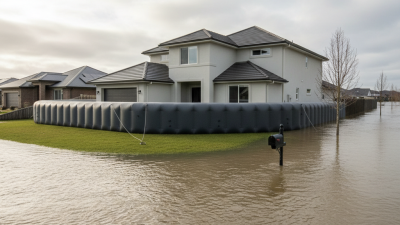
What Is a Water Barrier and How Does It Work? A water barrier is a material or system that limits liquid water entering a building. You may find it behind siding, beneath roofing, or around foundation walls. Its purpose sounds simple: guide rain away from vulnerable surfaces. The details are not simple. Wind-driven rain can enter through tiny gaps, loose seams, or poorly sealed openings. A properly installed water barrier creates a controlled drainage path. It may also reduce moisture damage inside walls. However, the word “waterproof” can be misleading. Most barriers manage water rather than stop every drop. This distinction matters.
Experienced installers inspect laps, corners, fasteners, and window edges carefully. These areas often fail before the main sheet does. Manufacturer instructions provide essential information about compatibility, installation, and exposure limits. Building-science guidance also considers vapor movement, airflow, drainage, and drying potential. A small unsealed penetration can undermine an otherwise excellent installation. No single barrier suits every climate or wall assembly. That is an important limitation. Material choice depends on rain exposure, substrate condition, local construction practices, and the surrounding drainage design. This guide will explain how a water barrier works, where it belongs, and why installation details matter. It will also examine common mistakes and practical inspection methods. The goal is not to promise perfect protection. It is to provide clear, evidence-based guidance for making better decisions.
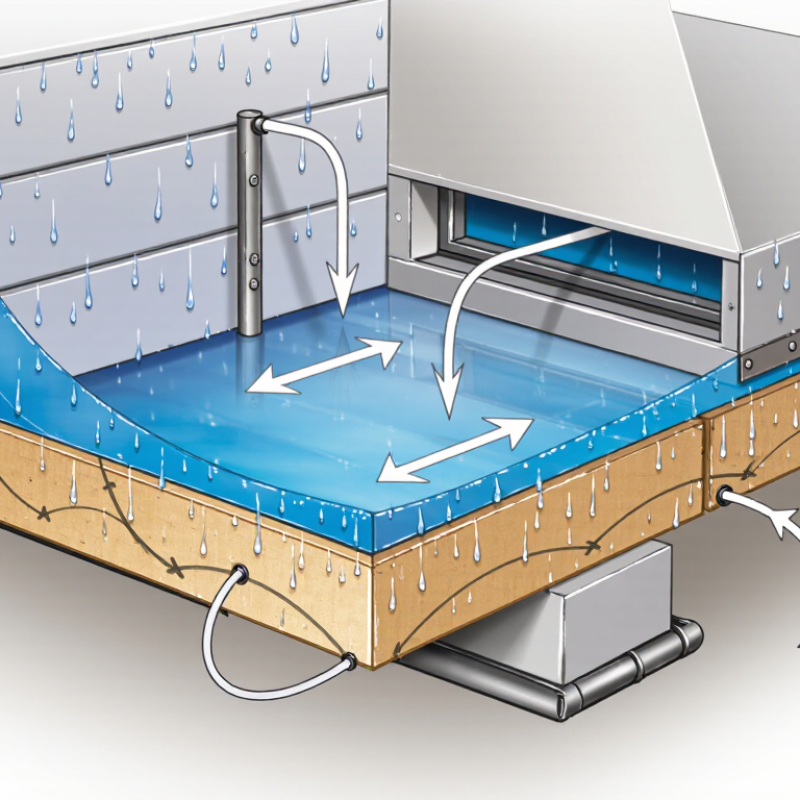
A water barrier is a material or building layer that limits liquid water from entering a wall, roof, foundation, or enclosed space. Its basic purpose is simple: keep rain, splash, and ground moisture away from vulnerable materials. It may appear as a flexible sheet, a coated surface, or a carefully shaped drainage layer.
The barrier does not always stop water by creating an absolute seal. Instead, it often directs water downward and outward through planned paths. For example, a wall membrane can sit behind exterior cladding. Water reaching the membrane should flow toward flashing, weep openings, and safe drainage points. Sealed joints matter. Small gaps around windows, pipes, and corners can cause serious damage.
A reliable water barrier depends on design, material compatibility, and correct installation. Installers should check overlaps, fasteners, seams, and transitions before covering the assembly. Concrete foundations may also need exterior waterproofing and drainage protection, especially where soil stays wet. A vapor control layer is not automatically a water barrier; the two systems manage different forms of moisture.
The weak point is often a detail, not the main surface. Real assemblies are rarely perfect. A barrier can fail when someone punctures it, leaves an unsealed edge, or blocks its drainage path. Regular inspection helps reveal staining, soft wood, peeling finishes, or musty odors before moisture spreads.
What Is a Water Barrier and How Does It Work?
Main Types of Water Barriers and Their Materials
A water barrier blocks liquid water before it reaches insulation, framing, or interior finishes. It may also redirect water toward drains. The U.S. Department of Energy’s Building America research identifies a continuous drainage plane as a key part of durable wall design. Small gaps can create large problems. Water often enters around windows, joints, and fasteners rather than across open surfaces.
Sheet membranes are common in below-grade walls and roof assemblies. They usually contain modified bitumen, polyethylene, or synthetic rubber. Their factory-controlled thickness supports consistent coverage, but seams still require careful rolling and sealing. Liquid-applied membranes use polymer or cement-based coatings. They form a seamless layer around corners and pipes. This sounds ideal, although curing conditions can reduce performance. Cementitious barriers bond well to concrete, while bentonite clay swells when wet and seals irregular cracks. It needs confinement to work properly.
Drainage composites add another layer of protection. Their plastic cores create channels behind the barrier, helping groundwater reach a drain system. The U.S. Army Corps of Engineers recommends combining waterproofing with drainage and pressure relief, not relying on one coating alone. Material choice depends on soil pressure, ultraviolet exposure, movement, and installation access. A barrier can be technically excellent yet fail because workers miss a lap or puncture it during backfilling. ASTM test standards help compare water resistance, but field workmanship still deserves more attention.
What Is a Water Barrier and How Does It Work?
How Water Barriers Prevent and Control Water Flow
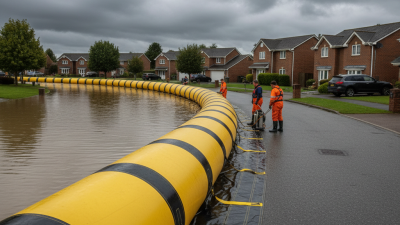
A water barrier is a designed layer or structure that redirects, slows, or blocks unwanted water. It may be a membrane, coated surface, raised curb, drainage channel, or temporary flood panel. Its purpose is not always to create a perfect seal. Often, it guides water toward a safe outlet. In a building, the barrier may sit behind cladding, below a slab, or around a window opening. Placement matters as much as material.
Water control begins when the barrier interrupts the easiest path through a surface. Overlapping sheets shed water downward, while sealed joints resist pressure at corners and penetrations. Sloped surfaces help gravity move water into gutters, drains, or collection areas. In flood protection, a raised barrier increases the distance water must travel. Pumps and check valves can then manage water that passes around or beneath it. Small gaps matter. A few millimeters can allow surprising leakage under pressure.
Reliable installation requires clean surfaces, compatible materials, and careful detailing. Inspectors often check seams, fasteners, drainage outlets, and transitions between materials. Controlled water testing can reveal weak points before heavy rain does. However, performance changes with age, movement, blocked drains, and extreme weather. Field inspections often show barriers blamed for failures caused by poor drainage nearby. The design deserves a second look. Regular inspection and prompt repairs keep water moving where it should, not into walls, floors, or occupied spaces.
| Water Barrier Type | Primary Function | How It Controls Water Flow | Typical Applications | Main Advantages | Common Limitations |
|---|---|---|---|---|---|
| Sheet Membrane | Blocks liquid water and water vapor at walls, roofs, and foundations. | Creates a continuous, low-permeability layer that water cannot easily pass through. | Basement walls, retaining walls, roofs, balconies, and below-grade structures. | Provides broad surface coverage and can bridge small surface irregularities. | Punctures, unsealed joints, and poor surface preparation can create leakage paths. |
| Cementitious Waterproofing | Seals concrete and masonry surfaces against moisture penetration. | Fills surface pores and capillaries with a cement-based coating that resists water movement. | Concrete tanks, foundations, tunnels, wet rooms, and masonry walls. | Bonds well to mineral surfaces and is suitable for damp concrete. | Limited flexibility may cause cracking when the substrate moves or settles. |
| Bentonite Clay Barrier | Restricts water flow through soil and below-grade construction joints. | Expands when hydrated and forms a dense gel that reduces the movement of water. | Below-grade walls, foundation systems, tunnels, and containment structures. | Can self-seal some small punctures when sufficient moisture and confinement are present. | Requires proper confinement and may be less effective in continuously flowing or saline water. |
| Drainage Board | Relieves hydrostatic pressure and directs water toward a drainage outlet. | Uses channels or a dimpled core to create a controlled path for water while protecting the waterproof layer. | Foundation walls, retaining walls, green roofs, and underground structures. | Improves drainage and reduces direct soil pressure on the waterproofing system. | It is not normally a complete waterproofing layer and requires a functioning outlet. |
| Vapor Retarder | Slows the movement of water vapor through building assemblies. | Reduces vapor diffusion by using a material with a relatively low vapor permeance. | Walls, ceilings, floors, and insulated roof assemblies. | Helps manage condensation risk when placed correctly for the climate and assembly design. | Does not stop bulk water leaks, and incorrect placement can trap moisture. |
| Flood Barrier | Temporarily prevents or redirects surface floodwater. | Forms a physical wall or raised threshold that increases the flow path and limits water entry. | Building entrances, roads, doorways, drainage channels, and temporary flood protection. | Can be deployed quickly and removed after the flood threat has passed. | Performance depends on height, anchoring, ground conditions, and the duration of flooding. |
| Sheet Pile or Cutoff Wall | Limits groundwater movement through soil during excavation or construction. | Creates a relatively impermeable vertical barrier that lengthens the groundwater flow path. | Deep excavations, waterfront works, cofferdams, and underground construction. | Provides structural support as well as groundwater control in many projects. | Joints, penetrations, and variable ground conditions can reduce overall water resistance. |
| Perimeter Drainage System | Collects and removes groundwater before it reaches an interior space. | Perforated drains collect water and convey it by gravity or pumping to an approved discharge point. | Basements, foundations, retaining walls, and landscaped areas. | Reduces hydrostatic pressure and complements surface waterproofing. | Clogging, inadequate slope, blocked outlets, or pump failure can impair performance. |
A water barrier is a material or system that limits water entry into a building. It may appear as a sheet membrane, liquid coating, flashing, or drainage layer. Its performance depends on more than the material itself. During site inspections, small gaps around windows often cause larger problems than visible surface damage. Water follows joints, cracks, and poorly sealed penetrations. It can travel behind finishes before stains appear.
Material continuity is critical. A single puncture can weaken an otherwise sound barrier. Installation quality matters just as much. Uneven surfaces, trapped moisture, and weak seams may reduce protection. Exposure also changes performance. Ultraviolet light, freezing temperatures, heat, and building movement can gradually stress the system. Water pressure creates another concern, especially below ground. Proper drainage reduces that pressure and gives water a controlled path away. No barrier performs perfectly. Design assumptions sometimes fail in real weather.
Tips: Inspect seams, corners, and service openings carefully. Keep drainage paths clear. Follow the manufacturer’s tested installation method, but still review site conditions. Record small defects early. A ten-minute inspection can prevent concealed moisture damage. Yet visual checks have limits, so moisture testing may be necessary when odors, peeling paint, or soft materials appear.
What Is a Water Barrier and How Does It Work?
A water barrier is a building-envelope layer that redirects liquid water away from walls, roofs, or foundations. It may be a sheet membrane, coated surface, drainage mat, or cementitious layer. The material must overlap correctly, seal penetrations, and connect with flashing. Otherwise, water can enter through a tiny gap around a window or pipe. It works with gravity, not against it. A barrier slows intrusion, while drainage removes the water.
Common uses include exterior walls, basement foundations, balconies, roofs, shower rooms, and below-grade structures. The U.S. Department of Energy’s building-envelope guidance treats water control as one of several separate control layers. This matters because a waterproof surface cannot replace ventilation or thermal protection. The Insurance Information Institute’s analysis of ISO data found that water damage and freezing represented 21.5% of homeowners’ claims from 2017 to 2021, with an average claim of about $12,514. Better detailing can reduce expensive repairs.
Limitations appear under hydrostatic pressure, blocked drainage, ultraviolet exposure, movement, and poor installation. FEMA guidance estimates that one inch of floodwater can cause approximately $25,000 in damage to a typical home. That figure varies widely by building size and contents, but the risk is tangible. A barrier is not magic. Field inspections often reveal torn membranes hidden behind finished surfaces. Maintenance, compatible materials, and documented installation remain essential. Even experienced contractors can miss one vulnerable transition.
Please enter the details to download, thank you
Get in Touch With Us
Please enter the details to download, thank you