What Are the Top Flood Protection Barriers for Homes?

Floodwater can enter through a doorway in minutes, soaking floorboards, rugs, and electrical outlets. The right flood protection barriers for homes can help reduce that risk, but no product makes a property completely floodproof. Protection depends on the likely water depth, the building’s openings, and how carefully a barrier is installed.

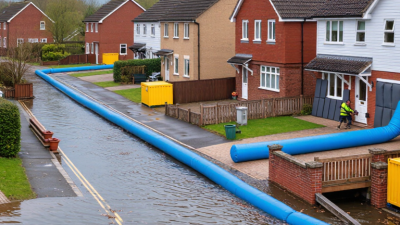
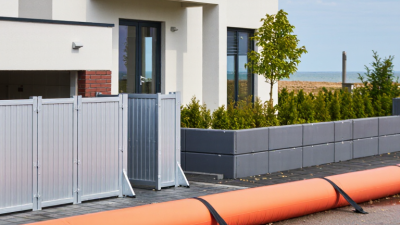
Options range from removable door guards and modular panels to permanent barriers and traditional sandbags. Some systems use compression seals; others rely on weight or a close fit against the ground. A few centimeters of uneven paving can matter. So can a forgotten side entrance. It is easy to focus on the front door and miss the garage, air bricks, or a low garden threshold.

This guide compares common barrier types, their practical strengths, and the situations they may suit. It also considers setup time, storage, maintenance, and the need to follow manufacturers’ instructions. Check local flood guidance, too, since water levels and warning times vary. A barrier that works well in one home may be awkward in another. That part is less tidy than product descriptions suggest. Use the comparisons as a starting point, then assess your home’s specific entry points and seek qualified advice where needed.
What Are the Top Flood Protection Barriers for Homes?

Understanding Flood Risks Around the Home

Flood risk around a home depends on more than its distance from a river. Heavy rain can overwhelm street drains, while runoff may collect beside a foundation or enter through a low doorway. Check whether the yard slopes toward the house, and look for water stains on basement walls, damp smells, or repeated puddles near window wells. Small clues matter. Ask neighbors where water gathers during storms, but remember that one dry season proves little. Local flood maps and drainage records can add useful context.

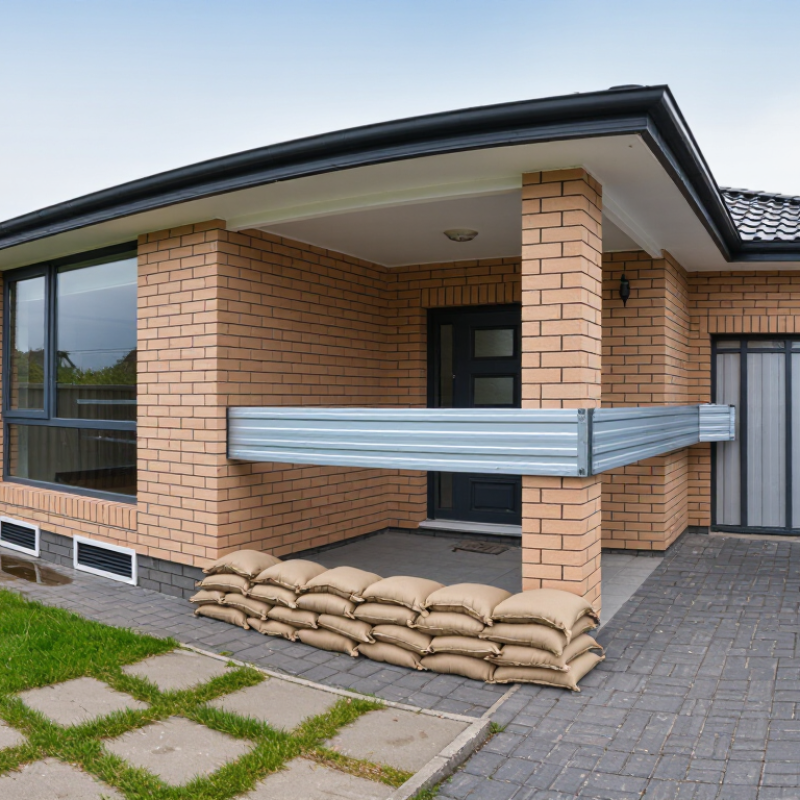
Tips: Note the lowest openings, including garage doors, vents, and basement windows. Clear leaves from gutters and drains before rainy weather. For shallow, temporary water, removable door barriers or properly fitted flood panels may help. They are not a substitute for evacuation guidance, and they may fail under deep or fast-moving water.

A sensible barrier choice starts with the likely water depth, the length of exposure, and the surface where the barrier must seal. Uneven paving, loose soil, and gaps can let water seep underneath. Test a temporary setup in dry conditions, and keep instructions nearby. I would not assume a barrier will work just because it fits the doorway; seals wear, and pressure can rise quickly. Never enter moving floodwater to install or adjust one.

Types of Flood Barriers for Residential Properties

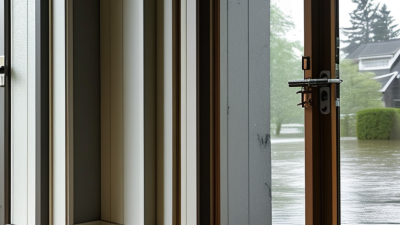
Residential flood barriers are designed for different openings and warning times. Doorway shields, also called door boards, fit across an entrance and seal against the frame or threshold. Some are fixed in place; others slide into brackets when rain is forecast. Measure the opening carefully, including uneven floors. A small gap can let water through.

Removable panel systems use vertical channels beside doors, garage openings, or low windows. They can protect wider spaces, but the channels need secure fixing and regular checks for dirt or damage. Self-closing barriers rise when floodwater reaches them, which can help when nobody is home. They still depend on correct installation and maintenance. No barrier is foolproof.

Sandbags are familiar and flexible. They can block shallow water at short notice, but they are heavy, labor-intensive, and difficult to seal neatly around corners. Reusable water-filled barriers offer another temporary option, though they need room to deploy and a stable surface. Check likely water depth, how quickly flooding may arrive, and every possible entry point, including air vents. Test-fit removable equipment before storm season. That step is easy to postpone, and easy to regret.

How Barrier Materials and Designs Affect Performance

A flood barrier’s material matters, but its weakest joint often matters more. Sandbags conform to uneven ground and are easy to stage, yet they are labor-intensive and can leak where bags meet. Rigid aluminum or polymer panels can create a cleaner seal, provided their tracks are anchored and the doorway is square. Permanent masonry offers strength, but cracks and utility openings remain vulnerable. FEMA notes that just one inch of floodwater can cause about $25,000 in damage. That figure makes small leaks worth taking seriously.

Design must also account for water pressure, not just barrier height. U.S. Army Corps of Engineers flood-wall guidance follows the basic hydrostatic rule: pressure increases with depth. At two feet of water, a ten-foot-wide vertical barrier faces roughly 1,250 pounds of horizontal force. That load can shift a poorly anchored panel or open a gap at the floor. I still find this easy to underestimate. Seals, corner joints, and the ground beneath the barrier need as much attention as the visible wall. The National Institute of Building Sciences’ 2019 Mitigation Saves study estimated that hazard-mitigation investments save an average of six dollars for each dollar invested; this is broad mitigation evidence, not a guarantee for any barrier. Fit matters. A brief dry run can expose awkward corners before rain arrives.

Choosing a Barrier for Your Home and Flood Conditions

Choosing a home flood barrier starts with the water, not the product.

Check FEMA flood maps, local flood records, and the lowest entry points around your house. A removable door panel may suit shallow, brief street flooding. A garage opening needs a wider system, while long-lasting river or groundwater flooding may require permanent measures and professional assessment.

Measure twice. Note expected depth, flow speed, debris, and how long water may remain. A barrier rated for still water may fail in moving water.

Look closely at the whole building. Water can enter through a side gate, crawlspace, floor drain, or gap beside a panel. That detail matters. Confirm the barrier’s tested depth and installation requirements, and plan where runoff will go after the barrier is fitted.

FEMA flood maps help identify mapped risk, but they cannot predict every blocked drain or intense local downpour. The National Institute of Building Sciences’ 2019 Natural Hazard Mitigation Saves report found that federally funded mitigation grants returned about $6 in future benefits for each dollar invested. That supports considering durable protection, not just buying a quick fix.

Still, a neat specification can miss a weak threshold; inspect the site before choosing.

Installation, Maintenance, and Practical Limitations

A flood barrier works only when water cannot find an easy path around it. Before installing removable door panels or flexible barriers, measure each opening at several points; older door frames may not be square. Clear grit from the threshold, fit seals evenly, and follow the maker’s instructions. Test the setup with a garden hose before storm season. Small gaps matter.

Maintenance is easy to postpone. Check seals for cracks, corrosion, or flattened sections, and replace damaged parts before storing the barrier in a dry place. After use, rinse away mud and let components dry fully. Sandbags can help with shallow water, but they are heavy, need careful placement, and may leak as water rises. No home barrier guarantees a dry interior. Water can enter through drains, foundation cracks, or a higher opening.

Tips: Keep panels, fasteners, and instructions together. Mark the correct installation direction with a removable label. Practice fitting the barrier with another person; handling bulky panels alone can be awkward. One detail is easy to miss: a barrier may block the doorway but still leave nearby vents exposed. Check the whole wall, not just the obvious entrance.

Top Flood Protection Barriers for Homes

Indicative comparison of installation, maintenance, and practical flexibility

Ratings are qualitative, from 1 (less favorable) to 5 (more favorable), not standardized test results. Removable barriers are generally reusable but need correct fitting and storage; sandbags are flexible but labor-intensive; water-activated barriers are easy to deploy but typically single-use; permanent doors require professional installation; and broader property-level floodproofing can involve substantial work. Suitability depends on flood depth, water entry points, site conditions, and local guidance.