Why Use Temporary Water Barriers for Flood Protection?
Flood risk is becoming harder to predict. The World Meteorological Organization reported that weather-related disasters have increased fivefold over the past 50 years. More intense rainfall can overwhelm drains, rivers, and coastal defenses within hours. Temporary water barriers offer a rapid response before permanent measures are completed or repaired.
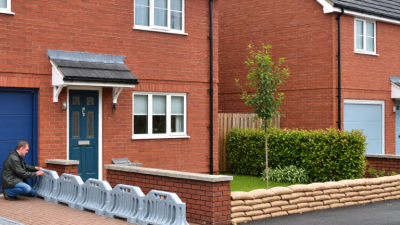
FEMA states that one inch of floodwater can cause approximately $25,000 in damage to a typical home. A barrier placed across a doorway, driveway, or warehouse entrance can reduce the first flow of contaminated water and floating debris. That matters when pumps, sandbags, or emergency crews are not immediately available. Flood-risk scientist Professor Hannah Cloke has said, “Flooding is a natural process, but disasters are not.” Her observation supports a practical approach: preparation can reduce exposure, even when rainfall cannot be controlled.
Temporary water barriers are not a magic shield. They require correct sizing, stable ground, trained installation, and regular inspection. The UK Environment Agency’s flood-risk guidance also stresses that property-level protection works best as part of a wider flood-management plan. In practice, a barrier may protect a shop entrance while water still enters through vents, drains, or weak joints. That limitation deserves attention. Used with pumps, warnings, evacuation plans, and permanent infrastructure, temporary water barriers can provide valuable time and help limit costly disruption.
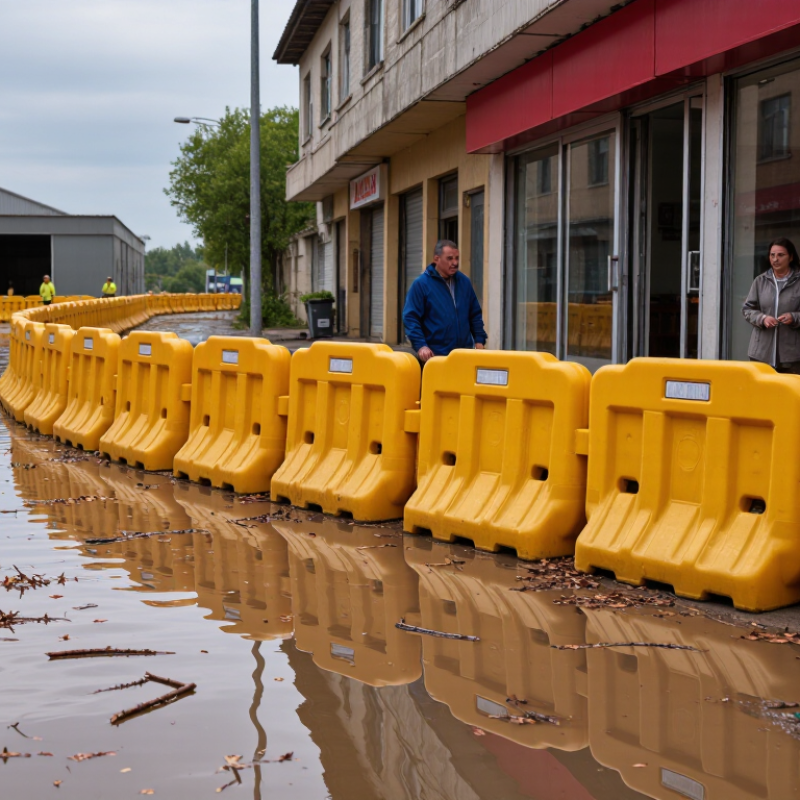
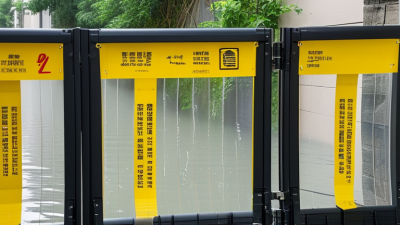
Temporary water barriers are removable systems designed to slow, redirect, or contain rising floodwater. They may use interlocking panels, flexible tubes, or water-filled units. Unlike permanent walls, they can be stored and deployed when forecasts indicate a flood risk.
Their performance depends on more than height. A barrier must sit on firm, reasonably level ground with sealed joints and stable end points. Water pressure increases as depth rises, so the structure needs enough weight, anchoring, or connected sections to resist movement. Some systems use the incoming water as ballast. Others rely on weighted bases or support frames. In field conditions, setup is rarely perfect. A small gap can become a serious leak. Uneven pavement, debris, and rushed installation can reduce protection. Professional flood assessments should confirm suitable height, placement, drainage, and safe access before deployment.
Tips: Inspect every connection before water arrives. Clear stones, branches, and mud from the base. Keep pumps available, but never depend on them alone. Leave an escape route for residents and workers. Check the barrier during rainfall, because shifting soil may create gaps. Temporary protection is useful, but it cannot guarantee a dry site in extreme flooding.
| Dimension | Typical Information | How It Works | Practical Flood-Protection Value |
|---|---|---|---|
| Definition | A temporary water barrier is a removable system used to redirect, contain, or slow floodwater around buildings, roads, entrances, and other vulnerable areas. | It creates a continuous physical boundary that water must flow around or rise against instead of entering the protected area. | Provides short-term protection without constructing a permanent wall or levee. |
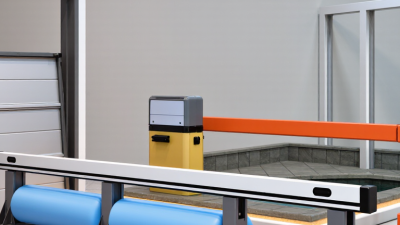
| Common Types | Water-filled tubes, interlocking flood panels, flood gates, modular barrier units, and sandbags. | Some systems use the weight of incoming water for stability, while others rely on self-weight, ballast, anchoring, or interlocking components. | Different designs can be selected for doorways, long road sections, property boundaries, or emergency deployment. |
| Typical Height Range | Approximately 0.2 to 1.5 metres for many temporary systems; the usable height depends on the product design and site conditions. | Barrier height increases the depth of water that can be held back, but higher barriers require more attention to stability, seepage, and foundation conditions. | Suitable height should be based on expected flood depth plus a safety margin, rather than on height alone. |
| Deployment Time | Small doorway systems may be installed in minutes, while longer barriers can require several people and additional preparation. | Portable components are positioned, connected, sealed, filled, or weighted before floodwater reaches the site. | Rapid deployment is valuable when flood warnings provide limited preparation time. |
| Stability Principle | Stability is commonly provided by water ballast, dry weight, friction, interlocking sections, ground anchors, or a combination of these methods. | The barrier resists sliding, overturning, and flotation by transferring water pressure and other forces into the ground or connected sections. | Correct placement on firm, reasonably level ground is essential for reliable performance. |
| Water Pressure | Hydrostatic pressure increases with water depth. A useful engineering approximation is p = ρgh, where pressure depends on water density, gravity, and depth. | Deeper water produces greater sideways force, especially near the bottom of the barrier. | Barriers must be rated and installed for the expected water depth; they should not be treated as unlimited-height walls. |
| Seepage Control | Temporary barriers generally reduce floodwater entry but may not create a completely watertight seal. | Seepage can occur through joints, uneven ground, gaps beneath the barrier, or porous surfaces. | Ground preparation, overlapping seals, pumps, and drainage planning may be needed to manage residual water. |
| Site Requirements | Most systems need a clear route, adequate storage space, stable ground, and access for inspection during the flood event. | Debris, sharp objects, soft soil, steep slopes, and open drainage channels can reduce contact and stability. | A site assessment improves performance and helps identify locations where temporary barriers are unsuitable. |
| Reuse and Storage | Reusable systems can often be drained, cleaned, dried, inspected, and stored for a later event. | Removing silt and contaminants helps prevent material degradation, mould growth, and connection failure. | Proper maintenance can lower repeated emergency-response costs and extend usable service life. |
| Advantages | Fast installation, portability, flexible layout, lower construction disruption, and potential reusability. | Sections can be deployed only where and when protection is required. | Useful for temporary flood warnings, seasonal risk, construction sites, entrances, and properties that cannot justify permanent works. |
| Limitations | Performance can be affected by excessive water depth, fast-moving water, debris impact, uneven surfaces, poor connections, or inadequate anchoring. | Floodwater can move, undermine, overtop, or damage a barrier when site forces exceed its design conditions. | Temporary barriers supplement, rather than replace, drainage systems, permanent flood defences, evacuation plans, and emergency procedures. |
| Best Use Cases | Doorways, garage openings, loading bays, low wall openings, short road sections, utility areas, and temporary work zones. | Protection is concentrated at known low points or openings where floodwater is likely to enter first. | They are most effective when deployed before water arrives and combined with monitoring and pumping arrangements. |
| Safety Consideration | People should avoid standing in moving floodwater and should follow local flood warnings and emergency instructions. | Fast-moving water can exert substantial force and may hide open drains, damaged surfaces, electrical hazards, or unstable ground. | Human safety and evacuation should always take priority over protecting property. |
Note: Dimensions and performance ranges are typical industry characteristics, not guaranteed values for every temporary barrier. Always follow the manufacturer’s technical instructions and obtain a site-specific assessment for significant flood risk.
Temporary water barriers are used for flood protection because they can be deployed quickly, moved between sites, and removed after water levels fall. The need is substantial. The World Meteorological Organization’s WMO Atlas recorded more than 11,000 weather, climate, and water-related disasters between 1970 and 2019. Floods ranked among the most frequent events.
On a worksite, a barrier may protect a doorway, road entrance, or electrical cabinet within hours. Its value depends on preparation, not appearance. Crews must inspect the ground, clear sharp debris, and seal gaps at corners. Uneven pavement can create a hidden path for water. That detail is easy to miss.
The U.S. National Oceanic and Atmospheric Administration recorded 27 billion-dollar weather and climate disasters in 2024. This figure does not measure temporary barriers directly, but it shows the rising financial exposure around extreme weather. Properly selected barriers can reduce water entry and buy valuable response time. They cannot stop every flood. They may shift, leak, or fail when installed carelessly. FEMA guidance emphasizes planning, maintenance, and site-specific evaluation for flood mitigation measures. A trained team should check height, flow direction, anchoring, and nearby drainage before deployment. More testing is still needed for unusual sites, especially sloped streets and fast-moving water.
Temporary water barriers provide flexible protection when permanent flood defenses are unavailable or still under construction. Their performance depends on design, ground conditions, and correct installation. Water-filled tubes are lightweight during transport and become stable after filling. They suit long, relatively flat boundaries. Modular interlocking panels offer greater height control and can protect doorways, driveways, and commercial entrances. Inflatable barriers deploy quickly, but they require careful anchoring and a reliable inflation system. Absorbent barriers are easy to handle, though they usually suit shallow, short-duration flooding.
Key features deserve close attention. Check the barrier’s maximum water depth, sealing method, connection strength, and resistance to punctures. A broad base improves stability on wet surfaces. Flexible skirts can reduce seepage across uneven ground, but they cannot replace proper drainage. Storage space matters too. Some systems need pumps, straps, weights, or trained workers. In field use, small gaps often become serious weaknesses.
Tips: Measure the protected area before an emergency. Clear stones, oil, and sharp debris from the ground. Keep spare pumps and repair materials nearby. Test assembly during dry weather.
Do not rely on height alone. A tall barrier may fail if water flows around its ends. Extend protection beyond the expected flow path, and inspect connections during rising water. Real sites are rarely perfect. I would also record installation time, leakage points, and staff feedback after every deployment. That evidence improves future decisions.
Selecting a temporary water barrier starts with the flood, not the product. NOAA recorded 27 billion-dollar weather and climate disasters in the United States during 2024. That figure shows why short-term protection needs careful planning.
Measure expected water depth, flow speed, warning time, ground slope, and likely debris. A barrier designed for shallow ponding may fail against moving water. It may also shift across wet pavement.
FEMA’s Floodproofing Non-Residential Buildings guidance stresses engineering review, closure protection, drainage, and regular inspection. Select a system with documented height limits, stability calculations, connection details, and clear installation instructions.
Check whether it needs sand, ballast, anchors, pumps, or trained crews. Keep access points visible. A two-centimetre gap at a doorway can become a serious leak.
Deploy barriers before water reaches the site. Clear stones, oil, and loose soil from the contact line. Overlap joints carefully, then inspect corners and transitions first.
Place pumps behind the barrier, but never assume pumping solves poor sealing. The U.S. Army Corps of Engineers emphasizes inspection and maintenance as essential parts of flood protection. That includes temporary systems.
Real conditions are rarely clean. Rain can hide uneven ground. Delivery vehicles may block the planned route.
A useful weakness to admit is human delay. Run a short drill, record setup time, and revise the plan after every event.
Sources: NOAA Billion-Dollar Weather and Climate Disasters, 2024; FEMA P-936; U.S. Army Corps of Engineers flood protection guidance.
Temporary water barriers need active maintenance, not passive trust. During site inspections, check seams, connectors, ballast, and ground contact every few hours. Look for bulging, seepage, trapped branches, or soft soil beneath the barrier. Clear debris carefully, because sharp objects can damage fabric or joints. Keep pumps, sandbags, lighting, and communication equipment ready. Small leaks matter. Record water levels and inspection times. These notes help crews recognize deterioration before it becomes a failure.
These systems have clear limits. They may perform poorly on uneven ground, fast-moving water, deep flow, or prolonged wave action. A barrier can redirect water toward a neighboring area, drain, or building entrance. It cannot replace a drainage plan or professional flood assessment. Confirm loading conditions, access routes, and nearby electrical hazards before installation. Local conditions change quickly. I have seen teams focus on height while missing erosion at the base. That mistake is easy to repeat.
Removal should begin only after water levels fall and the responsible site lead confirms stable conditions. Release pressure gradually, from a safe position, while keeping workers away from sudden water movement. Use gloves, boots, eye protection, and decontamination procedures when floodwater may contain sewage or chemicals. Do not drag saturated barriers across sharp surfaces. Rinse, dry, inspect, and store them according to approved procedures. Damaged components should be isolated and assessed, not quietly reused. The schedule may need revision. Safety decisions deserve a second look.
Please enter the details to download, thank you
Get in Touch With Us
Please enter the details to download, thank you