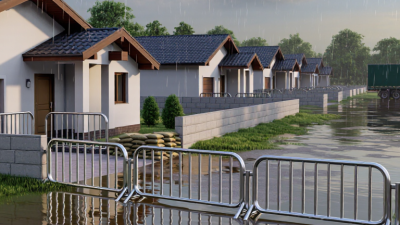
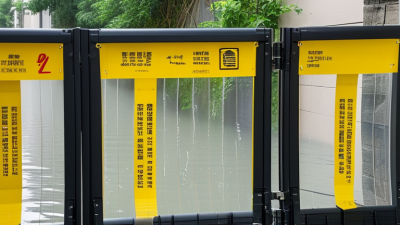
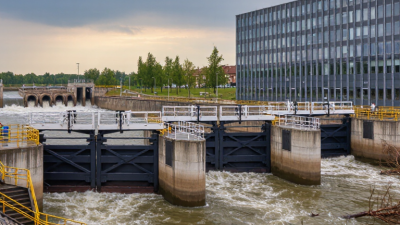
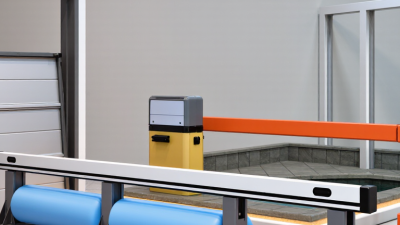
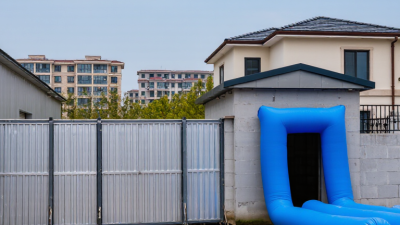
Water barriers for flooding offer a practical way to protect doorways, garages, and other vulnerable openings when rising water threatens. Many systems can be deployed without building a permanent wall, which helps property owners respond to changing risks. The right choice depends on the site, expected water depth, ground conditions, and how much time is available for installation. A barrier that fits one entrance may fail at another. Small gaps matter.
Floodplain expert Gilbert F. White captured a broader lesson: “Floods are acts of God, but flood losses are largely acts of man.” His words are a useful reminder that preparation can reduce harm, but cannot remove every risk. Water barriers for flooding work best as part of a plan that includes warnings, safe evacuation, and protection for drains and utilities. Check the manufacturer’s installation instructions, inspect seals, and practice setup before severe weather arrives. A rushed installation is a real weakness. So is assuming a barrier can withstand any flood.
For a homeowner, the details are tangible: measure the doorway, check the floor for uneven spots, and keep the barrier accessible. For a facility manager, deployment time and staff training also matter. These products can be valuable, but they are not magic. Choosing one takes honest attention to the property’s limits—and a willingness to revise the plan after each season.
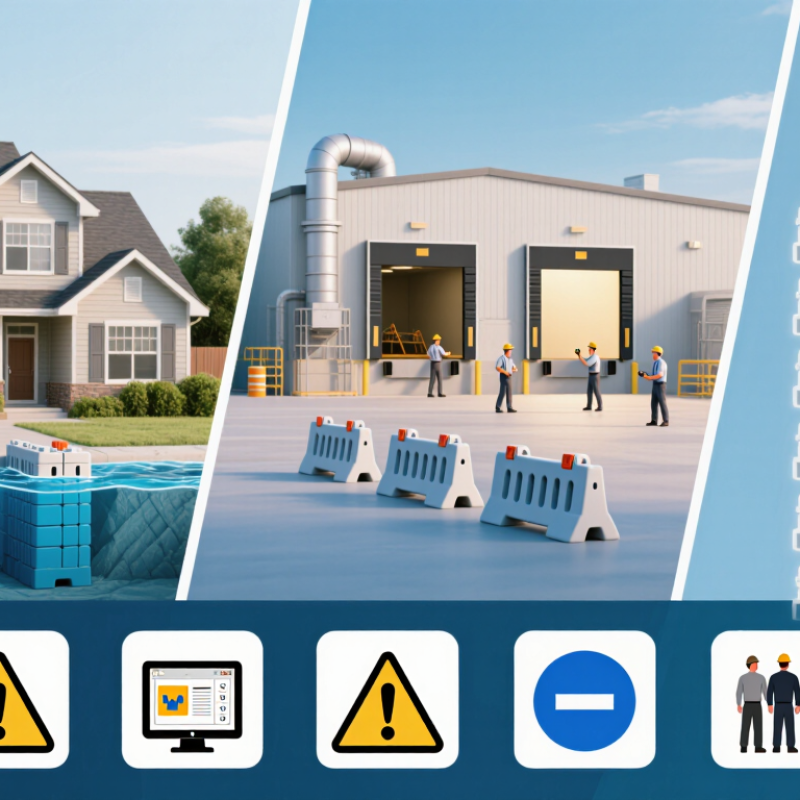
Water barriers are temporary systems designed to redirect or hold back shallow floodwater. Some use linked, rigid panels; others are flexible tubes filled with water on site. Their shape and weight help them resist moving water. In a tube-style barrier, the water inside presses outward and helps anchor the tube against the ground. With panel systems, connected sections and supports provide stability. The exact design matters.
Installation matters just as much. Workers usually place barriers on firm, relatively level ground, connect sections tightly, and check for gaps near walls, drains, and corners. Water can seep through small openings or flow around an unprotected end. That detail is easy to miss. A barrier may also shift if fast-moving water pushes against it or debris strikes it.
Water barriers can reduce damage when matched to the expected water depth, ground conditions, and site layout. They are not a substitute for drainage, evacuation plans, or professional flood advice. Check the manufacturer’s instructions and inspect the line during use, especially after rain intensifies. No temporary system is perfect; even a well-installed barrier needs a clear route for runoff and a plan for leaks.
| Barrier Type | What It Is | How It Works | Suitable Uses | Advantages | Limitations and Checks |
|---|---|---|---|---|---|
| Water-filled tubes or bladders | Flexible, sealed containers that are filled with water on site. | The water ballast adds weight, helping the barrier stay in place and resist shallow, relatively slow-moving floodwater. | Temporary protection around property, work areas, or other sites where a fillable barrier can be deployed. | Can be transported empty and filled where needed; avoids handling large quantities of filled units. | Requires a suitable water source, a prepared surface, and correct placement. Punctures, uneven ground, strong currents, or debris can reduce effectiveness. |
| Interlocking modular panels | Portable rigid or semi-rigid sections joined to form a continuous line. | Connected panels create a physical wall. Their stability depends on the system design, ground support, and any required anchoring or bracing. | Reusable temporary protection for entrances, roads, facilities, and other locations with a suitable base. | Can be arranged in straight runs or around selected areas; reusable systems can be stored for future events. | Joints and ends need careful sealing and placement. Follow the system’s installation instructions and limits for water depth and loading. |
| Sandbags | Bags filled with sand or other suitable granular material and placed in rows. | Weight and friction help hold the stack in place; overlapping placement can reduce gaps and slow seepage. | Short-term, localized protection and closing small gaps where bags and fill material are available. | Simple materials and flexible placement make them useful for irregular edges and emergency reinforcement. | Labor-intensive to fill and position. Water can seep through or around a stack, and saturated bags are heavy to handle and dispose of. |
| Absorbent flood barriers | Lightweight sleeves or pads containing material that expands as it absorbs water. | Absorption causes the unit to swell and form a low-profile barrier that can slow limited surface water. | Small indoor or outdoor areas where minor, shallow water intrusion is expected. | Light to carry before use and generally quick to position for small-scale protection. | Not a substitute for a structural flood wall. Capacity and performance vary by product; check instructions and do not rely on it for deep water or fast flow. |
| Inflatable barriers | Flexible chambers inflated with air or another specified medium before deployment. | Inflation gives the barrier its shape; its stability and water resistance depend on its design, placement, and any anchoring system. | Temporary site protection where the equipment and installation space are available. | Can be comparatively compact to transport before inflation and can cover longer runs in some designs. | Needs inflation equipment and careful setup. Check for leaks, secure end points, and confirm the barrier is rated for the expected conditions. |
Planning note: No temporary barrier is suitable for every flood. Check expected water depth, flow speed, duration, ground condition, drainage, and local emergency guidance. Keep clear of moving floodwater and never enter a flooded area to install or inspect a barrier if it is unsafe.
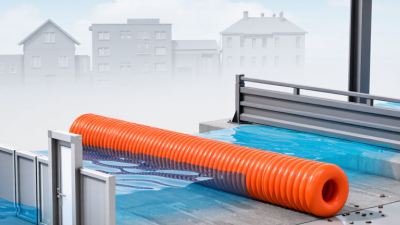
During flood preparation, crews should identify likely entry points such as low doorways, road dips, and gaps beside culverts. They should stage barriers before water reaches the site, not carry them into fast-moving water. Ground needs inspection: mud, loose gravel, and sharp debris can weaken contact or damage a barrier. Sections are laid in the planned line, joined tightly, and filled or anchored as their design requires. Ends need special attention. An unsealed edge can let water curl around the barrier. Workers should use gloves, communicate clearly, and keep a route to higher ground. Local flood plans and barrier instructions matter because designs differ.
During deployment, one person can check connections while another watches water levels and seepage. Small leaks should be assessed early; rising water can hide gaps and make repairs unsafe. Keep drains and emergency access in mind, and never block a route needed for evacuation. Water barriers can redirect shallow flow or protect selected openings, but they cannot stop every flood. A layout that looked sound on dry ground may fail on uneven soil, so teams should be ready to reassess it. Water keeps moving. If levels rise quickly, people should leave the protected area and follow official evacuation instructions rather than defend the line.
Floodwater can rise quickly, while sandbags take time, people, and repeated handling. NOAA recorded 28 U.S. weather and climate disasters costing at least $1 billion each in 2023, with combined losses of about $92.9 billion. That figure covers many hazards, not flooding alone, but it shows why practical, deployable protection matters.
Compared with sandbags, water-filled barriers can be quicker to position and easier to reuse. They arrive compact, then use water on site for ballast. A crew can place them along a driveway, doorway, or short stretch of road without stacking hundreds of bags. They also create less loose waste after an event. Traditional floodwalls offer stronger, more durable protection where permanent engineering is feasible, but they take more space, time, and investment.
There are limits. Barriers need a suitable surface, careful placement, and inspection for leaks or movement. They may perform poorly on rough ground or in fast, deep water, so they are not a substitute for engineered defenses. The National Institute of Building Sciences’ 2019 mitigation study estimated that federally funded hazard mitigation saves $6 for every dollar invested across measures. That is useful context, not a guarantee for any single barrier. A site assessment still matters.
Choosing the right flood barrier starts with the water your site may actually face, not an advertised maximum. Check likely depth, flow speed, flood duration, and whether water could approach from several sides. A shallow puddle beside a doorway differs from fast-moving water across an open driveway. Measure thresholds and low points, then note drains, slopes, and loose gravel. These details affect whether a barrier can seal and stay in place.
Small details matter.
For short, localized flooding, modular water-filled barriers may suit sites with enough space for positioning and anchoring. They need a stable, reasonably level surface and time to fill; uneven ground can leave gaps. For deeper or faster water, seek a professional assessment rather than relying on a temporary barrier alone. Check setup instructions, storage needs, inspection schedules, and removal requirements.
Test deployment before storm season with the people who will install it. That takes practice.
A plan can look easy on paper, yet falter when a drain cover or parked vehicle blocks the route. Reassess after landscaping or building work, and never treat a barrier as a guarantee against flooding.
Water barriers can reduce shallow floodwater entering a doorway or garage, but they have clear limits. Their performance depends on firm, level ground and careful placement. Water can seep beneath a barrier, especially over cracked paving or uneven soil. Strong currents, rising water, and floating debris may shift or overwhelm it. That risk is easy to underestimate.
Tips: Clear leaves and grit from the contact area. Check seals, joints, and connectors before use. Keep the barrier’s instructions nearby, and inspect it during flooding when conditions are safe. Never step into moving floodwater to adjust equipment.
Maintenance matters. After use, rinse off mud and salt, then let components dry fully before storage. Look for splits, worn seals, bent supports, or loose fittings; replace damaged parts rather than assuming they will hold next time. Store the barrier away from sharp tools and direct sunlight if its instructions recommend it. A small leak may seem harmless at first. It can widen as water rises. Barriers also need space and time to install, and not every entrance offers a suitable surface. I would treat one as a temporary layer of protection, not a guarantee, and follow local emergency advice when flooding threatens.
Please enter the details to download, thank you
Get in Touch With Us
Please enter the details to download, thank you